
You probably didn’t expect this winter to test your patience—or your power supply. Yet as the mercury plunged and ice coated nearly every surface, the hum of your home’s heater became more than background noise. It became your lifeline.
Across the U.S., millions faced the same chill. The temporary energy crisis that swept the country wasn’t some distant event playing out on the news—it was happening in your neighborhood, maybe even your own home. Power flickered, heating systems struggled, and the question on everyone’s lips was the same: How could this happen in one of the world’s most energy-rich nations?
The answer isn’t simple. But understanding it can help you prepare for what’s ahead.
What Triggered the Temporary Energy Crisis?
Record-Breaking Cold Across the U.S.
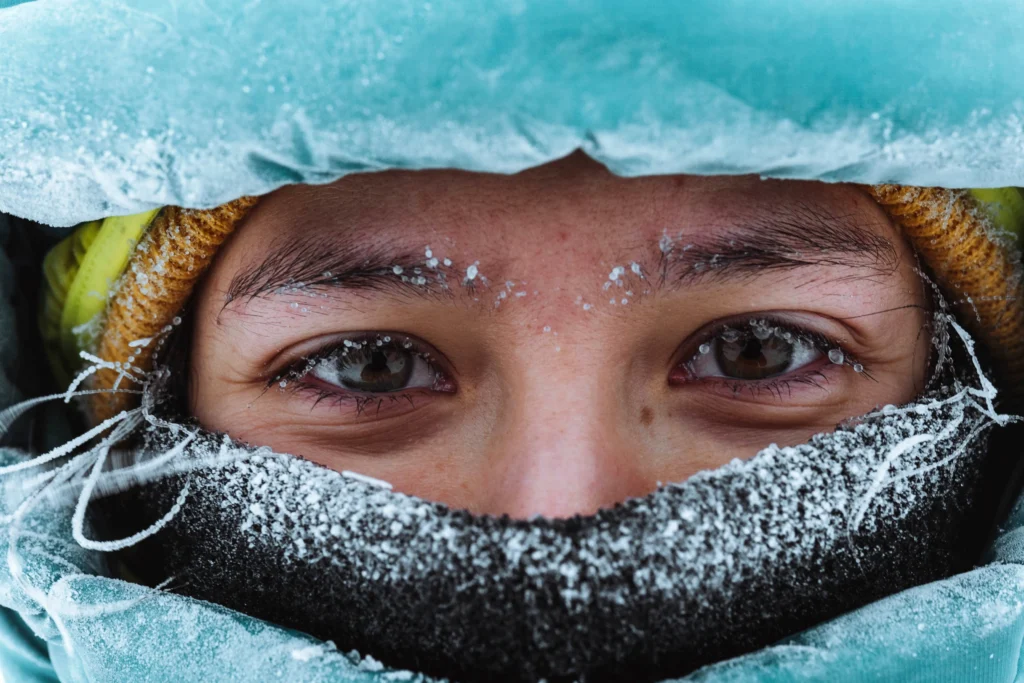
The storm that swept across the nation wasn’t just another cold front—it was a record-breaking, energy-sapping event. According to data from the National Weather Service (NWS), temperatures dropped 20 to 40 degrees below average in dozens of states. Cities from Chicago to Dallas saw the mercury hit record lows.
The culprit? A disruption in the polar vortex, a swirling mass of cold air usually trapped above the Arctic. When it breaks down, frigid air spills southward, blanketing much of the country in dangerous cold.
You may have noticed unusual weather swings—milder Decembers followed by sudden, brutal freezes. This pattern isn’t random. Climate scientists point to shifting jet streams and atmospheric warming that can destabilize traditional weather systems. And while debates over climate policy continue, one truth stands out: our energy infrastructure wasn’t built for this level of volatility.
Skyrocketing Energy Demand
When the cold hit, energy demand spiked like never before. Households across the nation cranked up heaters, electric blankets, and furnaces to fight off the bitter chill.
The U.S. Energy Information Administration (EIA) reported that natural gas consumption reached record highs in several regions, particularly the Midwest and Northeast. Power grids, already stretched thin, struggled to meet demand. The result was predictable but devastating—rolling blackouts, energy rationing, and price surges that left consumers stunned.
In some markets, electricity prices briefly jumped more than 400%, while gas suppliers invoked “force majeure” clauses, citing supply constraints. For many households, that meant higher bills and fewer heating options—an equation no one wants to face in subzero weather.
Power Grids Under Pressure — What Went Wrong?
The Fragility of Energy Infrastructure
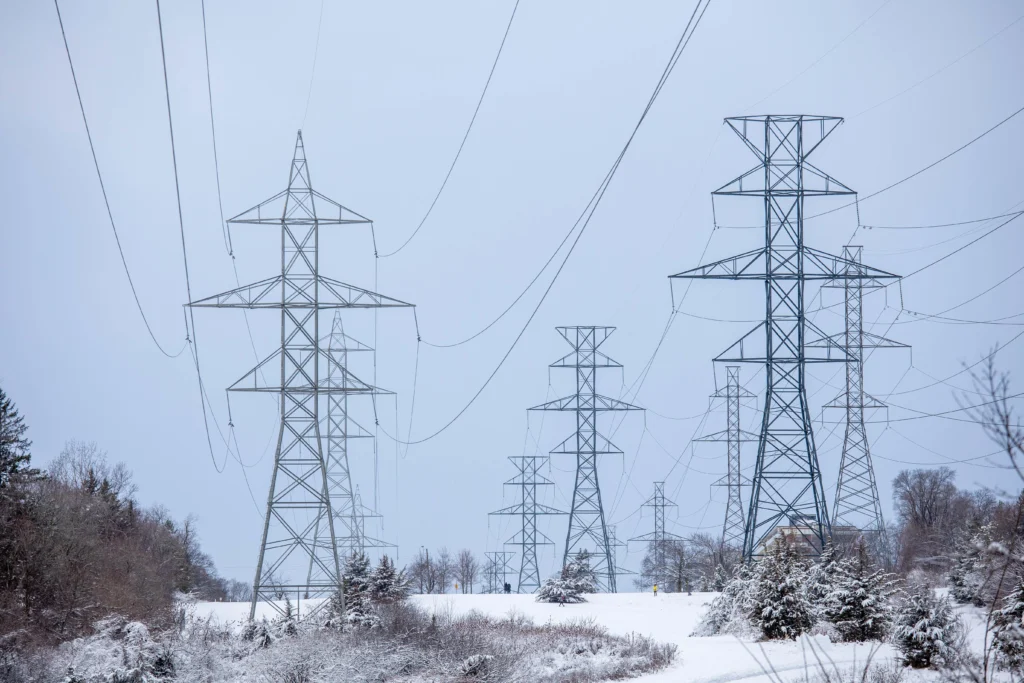
You might assume the U.S. energy grid is as strong as its economy—but that assumption has been proven wrong again and again. Many power grids weren’t fully winterized, meaning they weren’t equipped to handle sustained freezing conditions.
In places like Texas, where much of the grid operates independently, energy generation relies heavily on systems designed for heat, not cold. When temperatures plummeted, natural gas lines froze, wind turbines iced over, and coal piles solidified, cutting off crucial power sources.
Even states with more robust infrastructure saw issues. Frozen transformers, overloaded substations, and limited backup capacity created a domino effect that knocked out electricity for millions.
This wasn’t about politics—it was about physics and preparedness. America’s energy system was built for efficiency, not resilience. That difference cost the country dearly.
Regional Blackouts and Supply Shortages
If you live in the Midwest or South, you may have experienced the grid’s breaking point firsthand. Major metropolitan areas saw rolling blackouts lasting from 30 minutes to several hours. In rural regions, outages stretched for days.
Natural gas plants had to curtail production as compressors froze. Wind power—while a valuable renewable source—underperformed due to blade icing. Even nuclear facilities faced challenges maintaining proper cooling systems amid the cold.
In short, nearly every form of energy generation took a hit at once. Hospitals switched to emergency generators, grocery stores lost refrigerated goods, and businesses paused operations. The ripple effect was enormous—and it all began with the grid’s inability to adapt in real time.
Economic Ripple Effects of the Energy Crisis
Rising Costs for Consumers
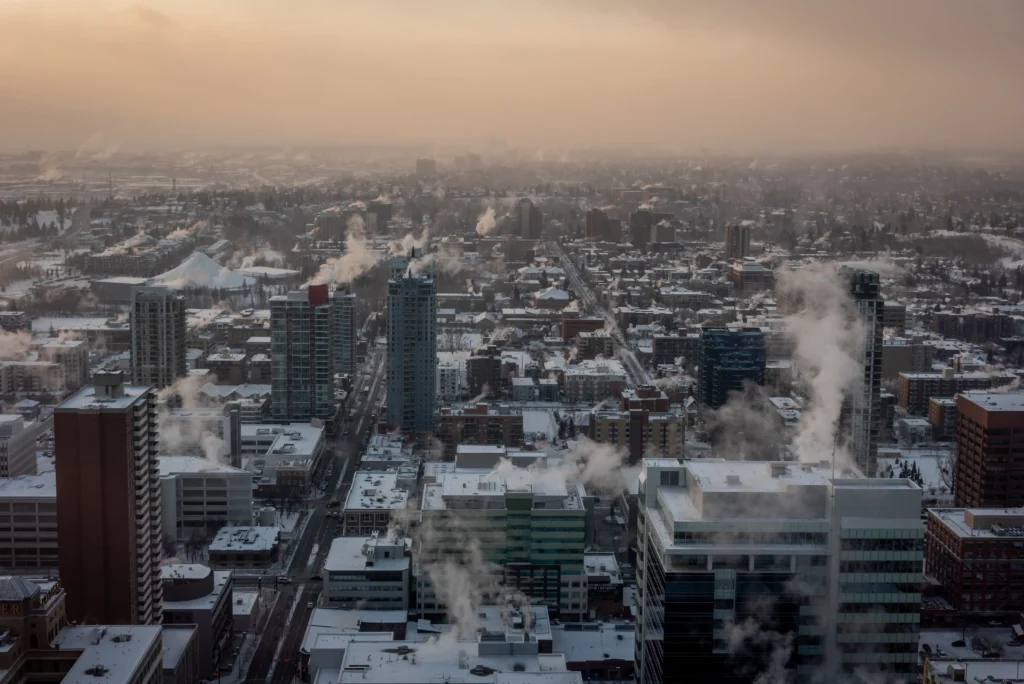
The aftermath of the temporary energy crisis hit your wallet just as hard as your thermostat. Average household heating bills soared by 15–25%, depending on the region. Some families opened utility bills that had doubled or tripled within a month.
This wasn’t just due to increased usage—it was also the result of price spikes in wholesale energy markets. Energy providers faced higher procurement costs and passed them on to consumers. In extreme cases, smaller utility companies had to seek state intervention to avoid insolvency.
While many states introduced emergency rebates or deferred payment programs, the short-term pain was unavoidable. For families already stretched by inflation, the extra financial burden turned a cold winter into a genuine hardship.
Business and Industry Impacts
You might not think about how much your local grocery store or manufacturing plant relies on steady power—until it’s gone. Businesses across multiple sectors saw production halts, supply delays, and financial losses in the millions.
- Manufacturing: Many plants depend on continuous energy supply. Interruptions forced temporary shutdowns, creating backlogs.
- Transportation: Fuel shortages delayed trucking and shipping routes, compounding supply chain problems.
- Retail: Frozen storage units and spoilage led to losses for supermarkets and restaurants.
Meanwhile, the energy sector itself faced market whiplash. Stock prices for utility and gas companies spiked and dipped as investors tried to predict how long the crisis would last.
The takeaway? Energy isn’t just a utility—it’s the backbone of every economic system you rely on daily.
Environmental and Policy Implications
Balancing Energy Security and Sustainability
The energy crisis reignited one of the nation’s oldest debates: should we prioritize energy independence or environmental responsibility?
Some argue that increasing fossil fuel backup capacity—such as natural gas reserves—can safeguard against future blackouts. Others insist that the solution lies in renewable energy storage and grid modernization.
The truth lies somewhere in between. You need both sustainability and reliability. Solar panels and wind farms are vital for a clean future, but without energy storage technology, their benefits can fade when the weather turns extreme.
Policy experts are pushing for a hybrid approach—strengthening the existing grid while investing in green innovation. That means more battery storage, smart grid technology, and interconnected power networks that allow energy to flow where it’s needed most.
Lessons for Future Energy Planning
If there’s one thing this crisis has taught policymakers and consumers alike, it’s that reactive solutions aren’t enough. The next big freeze—or heatwave—could expose the same weaknesses again unless action is taken now.
Here’s what’s on the table:
- Grid Winterization: Upgrading pipelines, transformers, and turbines to handle subzero conditions.
- Distributed Energy Systems: Encouraging solar microgrids and local generation to reduce reliance on centralized networks.
- Federal Investment: Expanding funding for renewable storage and interregional grid connections.
- Public Awareness: Empowering you to make energy-smart choices that support long-term resilience.
The Department of Energy (DOE) and several state agencies are already reviewing winterization guidelines and proposing tighter regulations for utilities. But true progress will require coordination, funding, and consumer involvement.
How Americans Are Coping
Personal Stories from the Cold
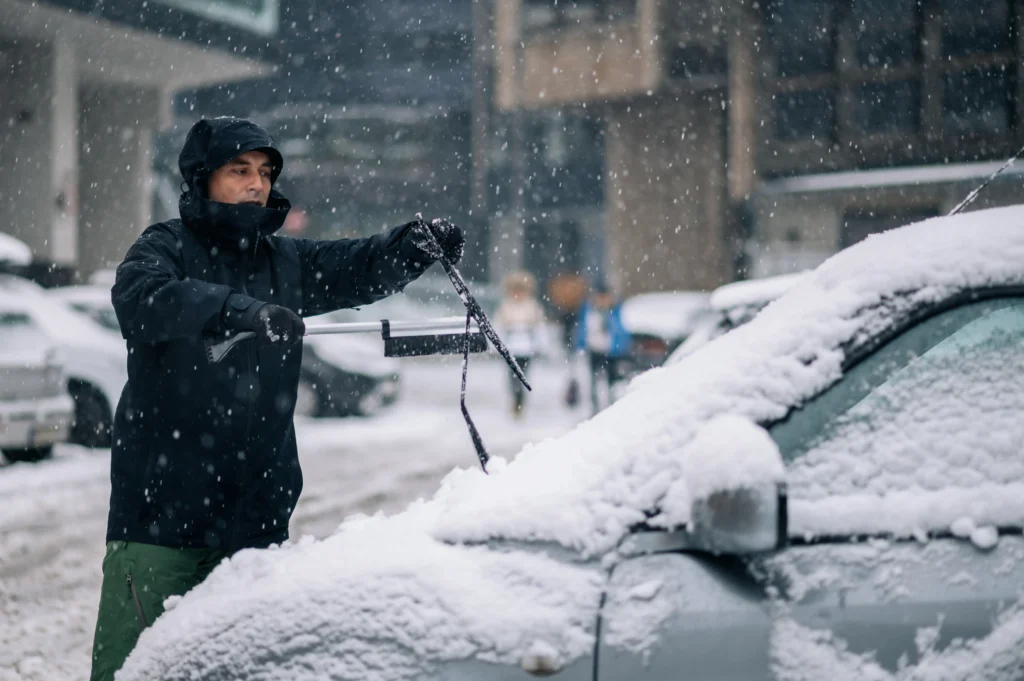
Every crisis has its heroes—and this one is no exception. Across communities, people opened their doors, shared generators, and turned local centers into warming shelters. You may have seen neighbors checking in on the elderly or helping distribute hot meals to those without power.
For some, it was a wake-up call to invest in backup generators or insulated homes. For others, it underscored the importance of community networks and preparedness plans.
Stories poured in from across the nation—families melting snow for water, volunteers handing out blankets, and power crews working around the clock in freezing conditions. In those moments, resilience wasn’t just about electricity—it was about human connection.
Practical Tips to Conserve Energy During Extreme Cold
While you can’t control the weather, you can manage how your home uses energy when temperatures plummet. Here are a few simple but powerful steps you can take:
- Seal air leaks. Use weather stripping and insulation to keep warm air in.
- Lower your thermostat. Even a two-degree reduction can ease grid demand and reduce your bill.
- Unplug non-essentials. Devices left on standby still draw power.
- Layer up. Wear thermal clothing and use heavy blankets instead of turning up the heat.
- Use smart thermostats. Program heating cycles for efficiency, especially during peak hours.
- Close off unused rooms. Concentrate heat where it’s needed most.
Each small change helps stabilize energy demand—and collectively, those changes can make a big difference.
Frequently Asked Questions About the Energy Crisis
What caused the temporary energy crisis in the U.S.?
A combination of record-low temperatures, increased demand, and unprepared infrastructure led to system overloads and supply shortages across multiple states.
How long will this energy crisis last?
Most energy experts believe the crisis is temporary, with recovery times varying by region. However, weather-related challenges may persist if another cold wave strikes.
Which states were hit hardest by the energy crisis?
The Midwest, Northeast, and Texas experienced the most severe disruptions due to high demand and limited supply reserves.
What can you do to prepare for another energy shortage?
Invest in home insulation, keep emergency heating options available, and follow local utility updates for grid stability alerts.
What steps are being taken to prevent future crises?
Utilities and government agencies are modernizing power grids, enforcing winterization standards, and expanding renewable storage capacity to improve reliability.
Conclusion — A Wake-Up Call for America’s Energy Future
This temporary energy crisis may fade from headlines, but its lessons shouldn’t be forgotten. The storm exposed how interconnected your life is with systems you rarely think about—pipelines, grids, fuel reserves, and transmission lines.
You don’t have to be an energy expert to understand what’s at stake. When the lights go out, comfort disappears—and suddenly, the abstract becomes personal. The next crisis can be prevented, but only if consumers, businesses, and policymakers work together to build a resilient and adaptive energy system.
So, what can you do? Stay informed. Support policies that invest in clean, reliable power. And most importantly, take steps in your own home to reduce energy strain when it matters most.
Because your preparedness—and your voice—are part of the solution.
Call to Action
If this crisis has made you rethink how you use energy, start today.
- Audit your home’s energy efficiency.
- Subscribe to your local utility’s alert system.
- Share this article with friends and family to raise awareness.
Together, you can help shape a future where a cold night doesn’t mean a powerless one.
Table of Contents
Arctic Cold Wave: When Will It End? Latest SE US Updates – trendsfocus