
You step outside, and the chill feels sharper than you remember. The morning air bites at your skin, the car windshield is glazed with ice, and the neighborhood seems quieter—muted under a blanket of frost. Across the Southeastern United States, countless families are asking the same question: When will this Arctic cold wave finally end?
It’s been a stretch of bitter mornings and record-breaking lows, with many waking up to temperatures rarely seen this far south. For some, it’s an inconvenience; for others, it’s a daily challenge—protecting pipes from freezing, checking on elderly relatives, and trying to stay warm without sending the energy bill through the roof.
If you’ve been glued to your weather app or local forecast, wondering how much longer this deep freeze will last, you’re not alone. The good news? There’s a light at the end of the tunnel—and it’s getting brighter by the day.
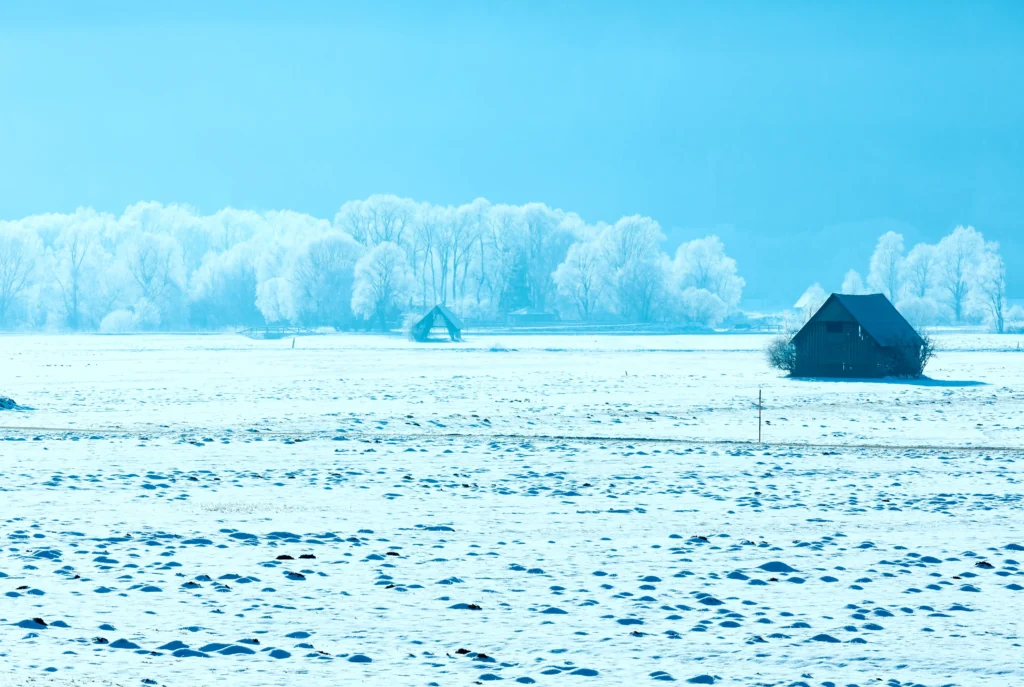
What’s Behind the Arctic Cold Wave Sweeping the Southeast?
To understand why you’re shivering in a region better known for its mild winters, you first have to know what causes these Arctic cold waves.
Meteorologists describe them as powerful surges of frigid air from the Arctic Circle that plunge southward when the polar vortex—a massive, swirling band of cold air high above the North Pole—gets disrupted. When that vortex weakens or shifts, it sends freezing Arctic air spilling down into North America.
In this case, the jet stream—a fast-flowing air current that acts like a boundary between warm and cold air—dipped unusually far south. That dip opened the door for Arctic air to settle over the Southeastern United States, pulling temperatures down 15 to 25 degrees below average.
According to the National Weather Service (NWS), this isn’t entirely new. Similar cold outbreaks hit in 2014 and 2021, both tied to weakened jet stream patterns. What makes this year’s event different is how long it has lasted and how deeply it’s penetrated into southern states like Georgia and Alabama.
In simple terms: the Arctic’s freezer door was left open, and the Southeast got caught in the draft.
Current Conditions Across the Southeastern United States
The past week has brought record lows and widespread frost advisories across the region. States that typically enjoy winter highs in the 50s and 60s have seen daytime temperatures stuck in the 30s, with overnight lows dipping into the teens.
States Most Affected by the Arctic Cold
Let’s look at how each state is holding up:
- Georgia – Atlanta and Augusta saw their coldest mornings in nearly a decade, with wind chills near zero.
- Alabama – Birmingham and Montgomery have recorded lows not felt since 2018.
- Tennessee – Knoxville and Nashville faced icy conditions and sporadic power outages.
- The Carolinas – Residents in Charlotte and Greenville battled icy roads and frozen pipes.
- Florida Panhandle – Frost warnings reached as far south as Tallahassee, threatening local crops.
This Arctic blast has strained energy systems, disrupted flights, and impacted agriculture. Citrus farmers, in particular, are fighting to protect crops from freezing, using heaters, sprinklers, and even helicopter downdrafts to keep temperatures just above critical thresholds.
Everyday Impacts You Might Be Feeling
- Shorter commutes turning into frozen adventures
- Burst pipes and skyrocketing utility bills
- School delays and business closures
- Heating systems running nonstop
In short, life across the Southeast has slowed down under the weight of this cold wave—but the forecasts finally offer a reason for optimism.
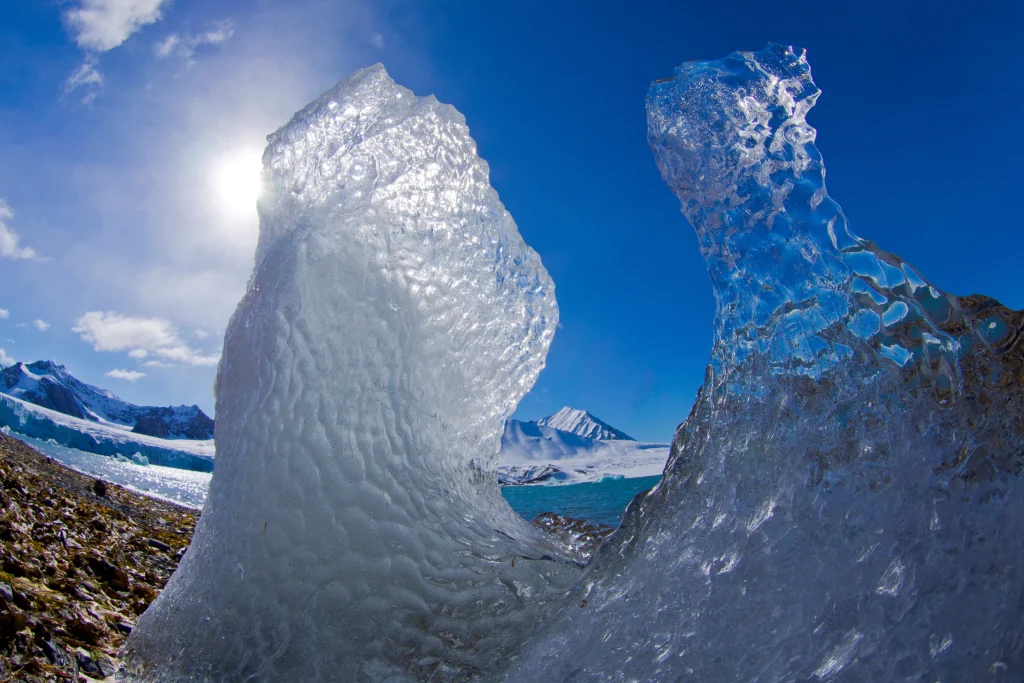
When Will the Arctic Cold Wave End? Forecasts and Timelines
If you’ve been refreshing your weather app hoping for sunshine, here’s what meteorologists are seeing in the near future.
Short-Term Outlook (Next 3–5 Days)
The cold grip is starting to loosen—gradually.
According to the NWS and AccuWeather, temperatures are expected to rise by a few degrees each day through the middle of the week.
- Tuesday–Wednesday: Highs in the 40s to low 50s for most of Georgia and Alabama.
- Thursday: The Carolinas begin to thaw as the jet stream shifts northward.
- Friday: Florida Panhandle returns to the 60s, signaling the start of a broader warm-up.
Expect a few lingering frosty mornings, but the extreme chill appears to be fading.
Extended Forecast (Next 7–14 Days)
Beyond the short-term relief, the next two weeks bring even better news.
The Climate Prediction Center (CPC) shows above-normal temperature trends spreading across the Southeast.
By late next week:
- Daytime highs could return to the upper 50s and 60s across most areas.
- Nighttime lows will climb above freezing for the first time in weeks.
- Rainfall will increase slightly as the cold, dry air gives way to milder, moist systems from the Gulf.
Expert Insight: What Meteorologists Say
Meteorologist Jen Carfagno from The Weather Channel notes that while the polar vortex remains intact, the jet stream is beginning to correct itself, meaning the coldest air will retreat back north.
“Once the jet stream flattens and moves northward, the Southeast should return to seasonal norms fairly quickly,” Carfagno explains.
So, while winter isn’t over, the worst of the Arctic cold wave is finally nearing its end.
Safety Tips and Preparation While the Cold Persists
Even though warmer air is on the way, it’s wise to stay cautious for the next several days. Here’s how to keep yourself, your family, and your home safe until the thaw is complete.
Protect Your Home and Family
- Prevent frozen pipes by dripping faucets and opening cabinet doors.
- Seal drafts around windows and doors to keep warmth inside.
- Use space heaters safely — keep them at least three feet from anything flammable.
- Stock emergency supplies — water, flashlights, batteries, blankets, and non-perishable food.
Stay Safe on the Roads
- Drive slowly on bridges and overpasses; these freeze first.
- Keep a full tank of gas and an emergency kit in your vehicle.
- Check local Department of Transportation (DOT) updates before traveling.
Look Out for Pets and Neighbors
- Bring pets indoors or provide insulated shelter.
- Check on elderly or vulnerable neighbors.
- Volunteer with local warming centers if you’re able — community support can make a huge difference.
Simple actions like these can prevent accidents, save energy, and even save lives.
How Long Will This Pattern Last? Looking at Long-Term Climate Trends
You may be wondering if these Arctic cold spells are the “new normal.” Climate experts have been asking the same question.
According to the NOAA Climate Prediction Center, climate change doesn’t necessarily mean warmer winters everywhere—it means greater volatility. As global temperatures rise, the Arctic warms faster than the rest of the planet. That imbalance can disrupt the polar vortex, allowing Arctic air to spill south more frequently.
In other words, you might see more unpredictable temperature swings in the future—short bursts of deep freeze followed by unseasonably warm spells.
The Role of El Niño and La Niña
This winter, El Niño conditions in the Pacific are influencing U.S. weather patterns. Typically, El Niño winters bring milder, wetter conditions to the southern states, but when combined with a disrupted polar vortex, it can produce dramatic temperature contrasts.
So while you can expect this particular Arctic cold wave to fade soon, the broader pattern suggests that winter weather in the Southeast may continue to surprise you in years to come.
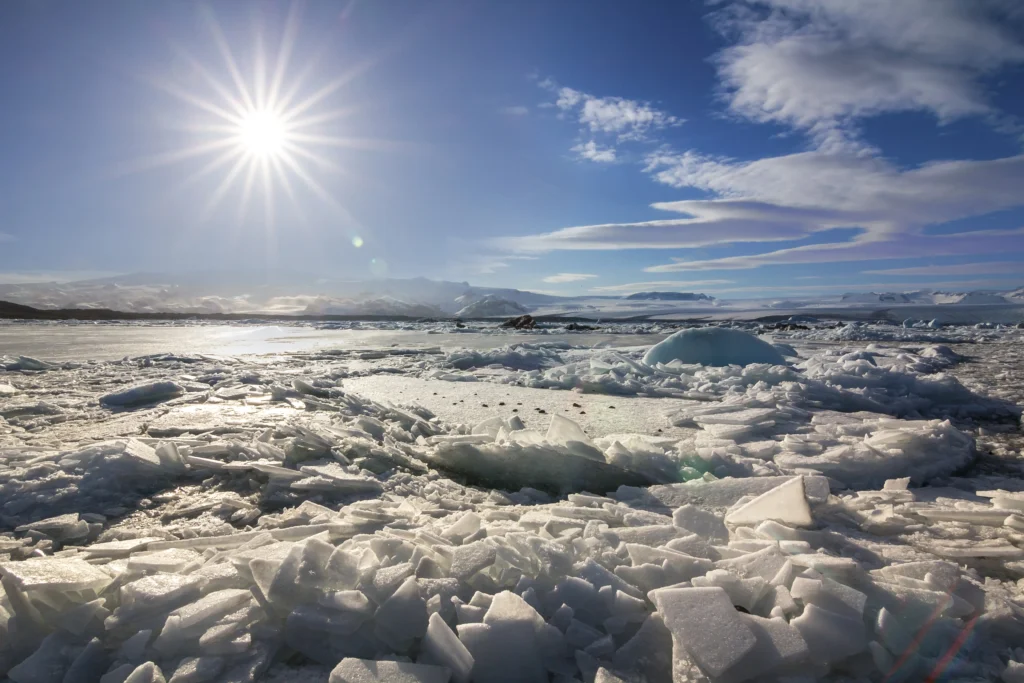
The Human Side — Stories from the Southeastern Cold Front
Every cold wave brings science and numbers—but also stories.
Farmers in South Georgia have been working through the night, lighting fires between rows of crops to stave off frost. Families in small Alabama towns have turned their churches into makeshift warming centers. In Nashville, volunteers have distributed coats and blankets to those living without shelter.
These stories reflect more than hardship; they show resilience. You’ve probably felt that sense of community yourself—neighbors helping each other, strangers offering rides, local businesses giving discounts to those affected.
It’s a reminder that while weather can be unpredictable, human kindness remains constant.
FAQs About the Arctic Cold in the Southeast
Q1: How long will the Arctic cold last in the Southeast?
Most forecasts show steady warming over the next 7 to 10 days, with southern states like Florida feeling the relief first. Northern areas, such as Tennessee and the Carolinas, may experience lingering cold nights through next week.
Q2: What causes the Arctic cold wave?
It happens when the polar vortex—a circulation of cold air over the Arctic—weakens, allowing freezing air to spill southward. Shifts in the jet stream then steer that air into the Southeast.
Q3: Which states have been hit the hardest?
Georgia, Alabama, Tennessee, and the Carolinas have seen the coldest conditions, though even northern Florida hasn’t escaped frost warnings.
Q4: Is this Arctic cold related to climate change?
Indirectly, yes. While a single event can’t be blamed on climate change, scientists believe that warming in the Arctic contributes to more frequent disruptions in the jet stream, leading to stronger or longer cold outbreaks.
Q5: What can I do to stay safe and warm?
Keep your home insulated, monitor official forecasts, check on neighbors, and limit travel during icy conditions. Preparation and awareness are your best defenses.
Conclusion — A Thaw on the Horizon
The Arctic cold wave has been relentless, testing your patience, your pipes, and your power bill. But with each passing day, the Southeast is inching closer to warmth.
Soon, the frost on your windshield will melt faster. The air will feel softer. Parks and sidewalks will fill again with people shedding heavy coats and smiling at the sun.
This stretch of cold has reminded everyone—especially in the South—just how dependent we are on preparation, resilience, and one another. So as the thaw approaches, take a moment to appreciate the strength that got you through the freeze.
And if this weather has taught you anything, it’s the importance of staying informed. Keep checking your local forecast, follow updates from NOAA and The Weather Channel, and prepare for the unexpected.
Because while the Arctic cold may be ending for now, being ready for the next challenge is always the warmest choice you can make.
Call to Action
If you found this guide helpful, share it with your friends and community—help others stay safe and informed as the Southeast warms up. For real-time updates, follow your local National Weather Service office, and consider subscribing to a reliable weather alert system.
Stay warm, stay safe, and remember—spring is just around the corner.
Table of Contents
Winter is coming. Arctic air will plunge temperatures and increase snow chances in the US | CNN
Trump’s $2000 Tariff Plan: Redistribution Explained – trendsfocus