
Think about this for a moment — inside every one of your trillions of cells lies a microscopic code that tells your body who you are. Your hair color, your smile, even how your body fights illness — it all traces back to a spiral ladder of molecules called DNA. It’s almost poetic that this tiny double helix carries the story of humanity itself.
Now imagine being the person who helped uncover that secret.
In 1953, a young scientist named James D. Watson looked at life through a new lens and helped reveal the structure of DNA. His discovery didn’t just change textbooks — it changed the entire direction of science. Yet, the story of Watson’s DNA legacy is not just about genius and discovery. It’s also about the complexities of human character, ethics, and the weight of influence that lasts far beyond a lifetime.
Unraveling the Double Helix: The Discovery That Defined a Century
A Revolution Born in a Cambridge Laboratory
To understand what Watson left behind, you first need to step back into post-war England. The air was thick with curiosity. Scientists were racing to solve one of nature’s greatest puzzles — what carried genetic information from one generation to the next?
Working at Cambridge University with Francis Crick, Watson pieced together clues from chemistry, X-ray diffraction, and molecular models. They built the now-famous double helix — a twisting ladder whose rungs are made of paired bases (A with T, C with G). It was elegant, simple, and it explained how life replicates itself.
Their work was published in Nature in 1953 and quickly became one of the most celebrated breakthroughs of the twentieth century. The discovery earned Watson and Crick the 1962 Nobel Prize in Physiology or Medicine, shared with Maurice Wilkins. The woman whose X-ray data made the model possible, Rosalind Franklin, was recognized later for her crucial contribution.
Why This Discovery Still Matters to You
That single revelation — the shape of DNA — opened a door that continues to expand today. You feel its impact every time you read about:
- Ancestry testing revealing hidden family roots
- Genetic medicine targeting specific mutations
- Forensic DNA helping solve cold cases
- The Human Genome Project, which mapped all your genes
Without Watson’s insight, none of this would exist in the form you know today. The DNA legacy lives in your medical reports, in your understanding of heredity, and in how scientists look toward the future of life itself.
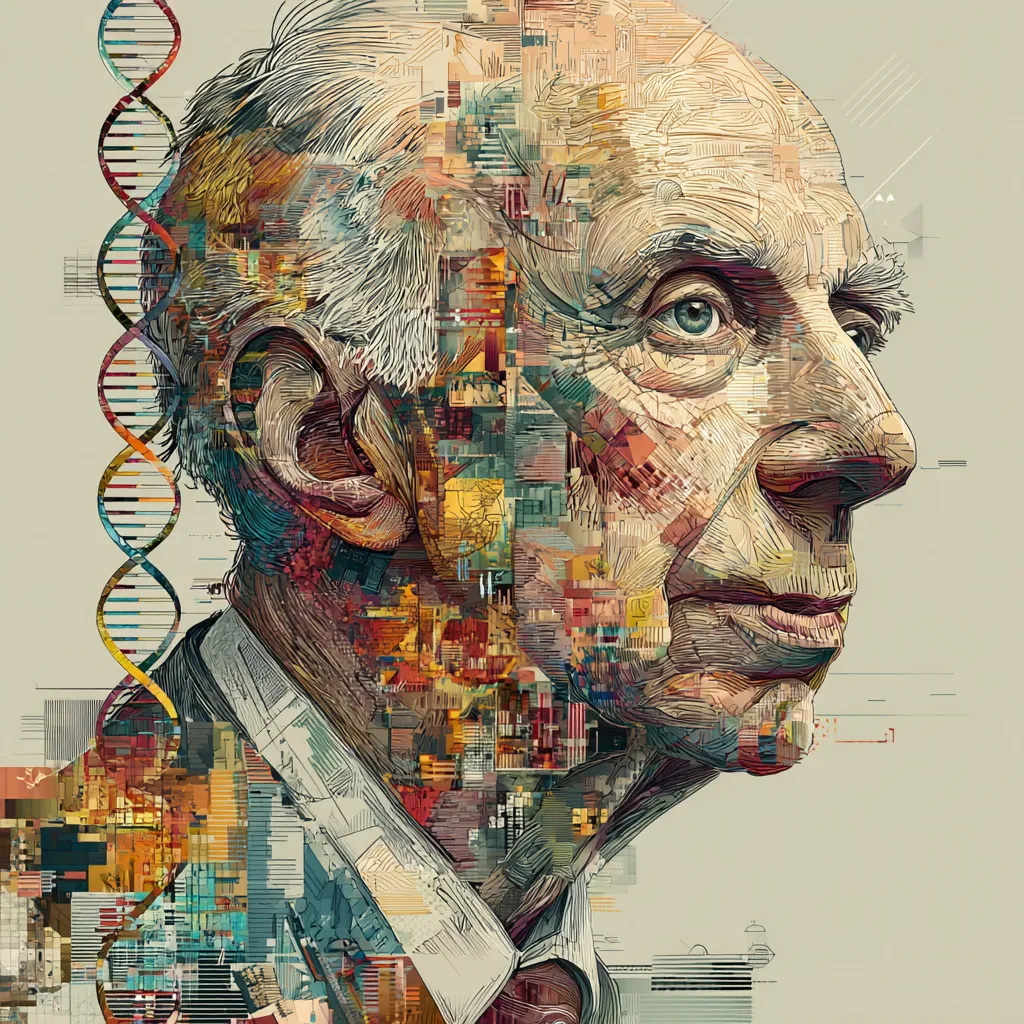
The Power and the Paradox of Watson’s DNA Legacy
Innovation That Redefined Biology
You may never set foot in a genetics lab, but the fruits of Watson’s work have touched your world countless times. His early research paved the way for personalized medicine, where treatments are designed for your unique genetic code. It laid the groundwork for CRISPR and gene-editing tools that promise to erase inherited diseases. And it gave rise to the entire industry of DNA ancestry services, connecting millions of people to their family histories.
Watson’s passion for science also spilled into his writing. His book The Double Helix gave readers a rare, behind-the-scenes look at how discovery actually happens — full of competition, frustration, and sudden moments of clarity. For many, that book was the spark that drew them into biology.
The Shadow of Controversy
But every legacy has its darker chapters.
In later years, Watson became a polarizing figure. Public remarks he made about race, intelligence, and genetics drew global criticism and cost him his honorary titles. Many in the scientific community distanced themselves from his views, reminding the world that a great discovery doesn’t always make a flawless human being.
For you as a reader, Watson’s story is a lesson about the ethical boundaries of science — how brilliance must walk hand-in-hand with responsibility. His name remains linked to the DNA molecule, but also serves as a reminder of how powerful ideas can be misinterpreted or misused if detached from empathy and equality.

Beyond Watson: DNA in the Digital Age
From Glass Slides to Gigabytes
Since the 1950s, the study of DNA has transformed beyond recognition. You now live in an era where entire genomes — billions of base pairs — can be sequenced in a single day. Computers read the alphabet of life faster than any human could imagine.
This digital revolution has turned genetics into data science. AI systems can now predict disease risks, design synthetic genes, and even suggest personalized diets based on your DNA profile.
Examples of this modern transformation include:
- 23andMe and other consumer genetic testing kits
- CRISPR-Cas9 breakthroughs editing genes in embryos
- Bioinformatics platforms storing and analyzing global genetic data
All of these advancements trace back to Watson’s original model. The spiral of DNA that once existed only on paper is now a living, breathing part of technology and medicine.
The Ethical Frontier
But with power comes the ultimate question — just because you can alter DNA, should you?
The debate around gene editing touches issues that go beyond the lab:
- What if editing out diseases leads to designing physical traits?
- Who owns your genetic data once it’s sequenced?
- How do you ensure equality when gene therapies are expensive?
Around the world, scientists, ethicists, and lawmakers are wrestling with these dilemmas. The ethics of DNA research are now as critical as the science itself. Watson’s discovery may have unlocked the code of life, but it also opened conversations about what it means to be human.
Lessons from the DNA Legacy
Science, Humanity, and Humility
If you take one thing away from Watson’s story, let it be this — discovery is only half the journey. The other half is understanding how that knowledge shapes your society and your choices.
Watson’s life shows both the brilliance and the fragility of human ambition. He gave the world a model that explained life’s most intimate details, yet he also showed how personal beliefs can cloud scientific legacy. The DNA legacy therefore isn’t only about a molecule — it’s about the human struggle to balance progress with principle.
When you look at DNA now, you don’t just see a code. You see stories — stories of ancestors, scientists, patients, and future generations who will inherit not only your genes but also your actions. That’s the deeper legacy Watson left behind: a mirror reflecting both human genius and human imperfection.
How DNA Shapes Your Everyday World
To bring this closer to you, here are some ways DNA research continues to touch your daily life:
- Healthcare: Doctors use genetic markers to tailor treatments and predict disease risks.
- Ancestry: You can trace your heritage back hundreds of generations with a simple cheek swab.
- Law Enforcement: DNA forensics solve crimes and exonerate the innocent.
- Agriculture: Genetically optimized crops help feed millions.
- Personal Insight: Genetic testing reveals traits like caffeine sensitivity or athletic potential.
Every one of these applications connects you back to that double helix Watson helped reveal. It’s proof that even a discovery made seventy years ago still shapes the modern world.
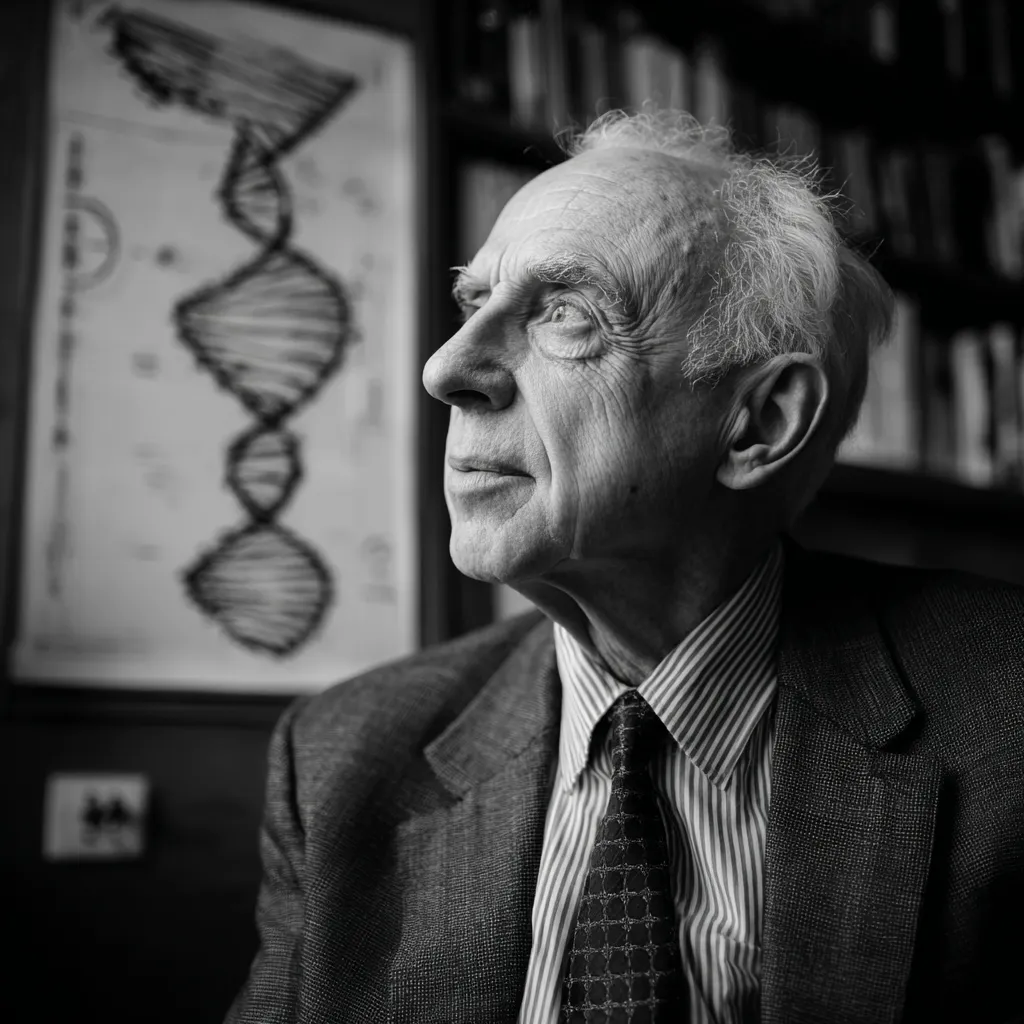
Frequently Asked Questions About DNA and Watson’s Legacy
1. What exactly did James Watson discover about DNA?
James Watson, working with Francis Crick in 1953, helped uncover the double-helix structure of DNA — the twisted ladder-like shape that carries your genetic information. This model showed how DNA replicates and how genetic traits are passed from one generation to the next. Without that discovery, you wouldn’t have modern genetics, ancestry testing, or DNA-based medicine.
2. Why is DNA so important to you and everyone else?
Think of DNA as your body’s instruction manual. Every cell in your body carries a complete copy that tells it how to grow, function, and repair itself. Your DNA determines physical traits such as your eye color and height, but it also influences your health risks, immune response, and even how you process certain foods or medications.
3. What makes Watson’s DNA legacy both brilliant and controversial?
Watson’s brilliance lies in the scientific revolution he sparked — his work opened the door to gene therapy, personalized medicine, and DNA-based forensics.
The controversy, however, stems from remarks he made about race and intelligence, which were widely condemned as unscientific and offensive. Those statements overshadowed his achievements for many people and raised difficult questions about separating a person’s discoveries from their personal beliefs.
4. How has Watson and Crick’s DNA model shaped the science you rely on today?
Their model transformed biology into a molecular science. It gave researchers the blueprint for studying how genes function and mutate. Because of that single insight, you now benefit from:
- Genetic testing that can predict inherited diseases.
- Forensic DNA profiling that helps solve crimes.
- Biotechnology innovations that create new medicines and crops.
- Personalized health plans based on your own genetic code.
Nearly every branch of biology and medicine traces its roots back to that 1953 paper.
5. What happened to Watson’s reputation over time?
While Watson received the Nobel Prize in Physiology or Medicine in 1962, his later years were marked by controversy. Many institutions distanced themselves from him after his remarks on race and genetics. For you as a reader, his story is a reminder that science can be brilliant, but scientists themselves are human — capable of insight and error in equal measure.
6. How does DNA research continue to evolve beyond Watson’s era?
Today’s geneticists have taken Watson’s foundation and built something far larger. You now see:
- CRISPR gene editing that can precisely modify DNA sequences.
- Artificial intelligence used to analyze genomes faster and more accurately.
- Genetic databases that map the entire human population’s diversity.
- Ethical frameworks that try to protect your privacy and prevent genetic discrimination.
In short, Watson’s discovery ignited a field that’s still growing — and it directly shapes your world through medicine, technology, and even ancestry research.
7. What ethical questions should you consider when it comes to DNA science?
As DNA tools become more powerful, the ethical stakes rise. You should ask:
- Who owns genetic data — you, or the company that tests it?
- Should scientists edit human embryos to remove diseases?
- How do we ensure genetic information isn’t used for discrimination?
Your awareness of these issues helps guide responsible research and policy, keeping DNA science aligned with human values.
8. How can you explore your own DNA safely and responsibly?
If you’re curious about your genetic background, choose reputable testing services with transparent privacy policies. Always read the fine print on how your data will be used. Consult a genetic counselor if you receive results about health risks — they can help you interpret what the information actually means for you and your family.
9. What is the most lasting part of Watson’s DNA legacy?
It’s not just the double helix itself — it’s the spark of curiosity that drove him to uncover it. His discovery forever changed how you understand life at its most fundamental level. Even with controversy surrounding his name, the DNA model he helped reveal remains one of humanity’s greatest achievements.
10. What can you personally take away from Watson’s story?
Watson’s journey reminds you that scientific progress is rarely simple. It involves courage, collaboration, and sometimes conflict. His life encourages you to stay curious, question assumptions, and respect the ethical boundaries that keep science humane.
Conclusion: The Genetic Imprint of a Legacy
When you look at what James Watson left behind, you’re not just tracing the path of a scientist — you’re exploring the story of how one discovery reshaped what it means to be human. The DNA Legacy he helped create isn’t trapped in dusty textbooks; it lives inside you, in every cell and strand of your being.
The double helix revealed how life stores its secrets, but it also exposed something deeper — that knowledge itself carries responsibility. You’ve seen how Watson’s brilliance opened doors to genetic medicine, ancestry research, and groundbreaking technology, but you’ve also seen how his personal views sparked lasting ethical debates. That duality is part of his legacy too: the reminder that even the most extraordinary minds can leave behind both light and shadow.
Today, the story of DNA continues to unfold. Scientists use tools like CRISPR and artificial intelligence to decode genes faster than ever, giving you a glimpse of a future where health, identity, and evolution itself can be shaped with precision. Yet the question remains — how will you choose to use the power of that knowledge?
As you reflect on Watson’s DNA Legacy, let it inspire curiosity but also humility. Science may map your genome, but it’s your choices, compassion, and courage that define who you are. The double helix isn’t just a symbol of discovery; it’s a mirror, twisting together the past, present, and future of all humankind.
So keep asking questions. Keep exploring. And remember — inside your DNA lies not only the history of life, but also the potential to shape its next chapter.