
Imagine this: you wake up and your virtual assistant has already scanned your emails, adjusted your calendar, and brewed your coffee just the way you like it. Your car is waiting outside, pre-programmed for the fastest route with real-time traffic adjustments. Your doctor, powered by AI analytics, sends you a health update before you even notice symptoms.
That isn’t science fiction anymore — it’s your reality unfolding. The future didn’t just arrive; it arrived early, and AI is at the helm. As technology takes the driver’s seat, your world is transforming faster than ever. From how you work and learn to how you live and connect, artificial intelligence is becoming the silent architect of tomorrow.
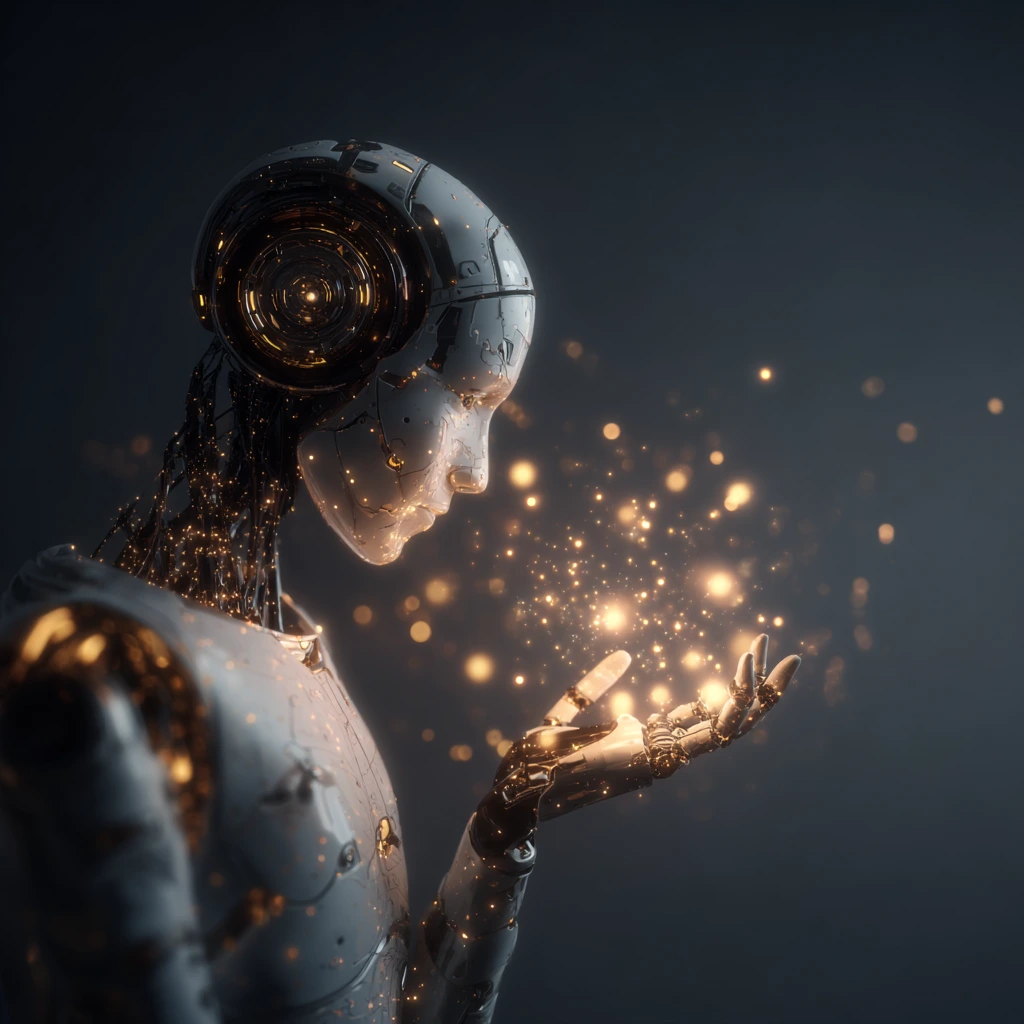
Understanding the Rise of AI at the Helm
From Science Fiction to Everyday Reality
Not long ago, AI was confined to movie scripts and theoretical papers. Today, it’s behind almost every digital experience you rely on — search engines, online recommendations, voice assistants, and even customer support.
AI’s progress has been exponential. In just a few decades, it evolved from simple rule-based programs to powerful systems capable of autonomous learning. You see it in:
- Healthcare innovations, where AI detects diseases with near-perfect accuracy.
- Finance, where algorithms forecast markets faster than any analyst.
- Education, where adaptive platforms personalize your learning journey.
According to PwC, artificial intelligence could contribute $15.7 trillion to the global economy by 2030. That means AI at the helm isn’t a trend — it’s the foundation of the next industrial revolution.
How AI Is Steering Modern Industries
AI in Healthcare — Saving Lives Smarter
You’ve probably noticed how technology is redefining healthcare. From diagnostics to treatment, AI is at the helm of medical transformation.
Imagine being diagnosed by an AI-powered system that detects diseases long before symptoms appear. Deep learning algorithms are already identifying cancer cells in scans more accurately than trained specialists.
AI also:
- Predicts potential outbreaks using global data patterns.
- Assists surgeons during complex operations with robotic precision.
- Personalizes medication plans based on your genetic makeup.
For you, this means faster, more accurate, and more affordable care.
A report by Accenture shows AI could save the U.S. healthcare system $150 billion annually by 2026. The result? A healthier world where technology becomes a trusted medical partner.
AI in Business — The New CEO’s Best Ally
If you run or work in a business, AI is already reshaping how you operate. It’s not just a tool — it’s a strategic advantage.
AI-driven platforms automate repetitive tasks like data entry, report generation, and customer queries, giving you more time for innovation. You can analyze massive datasets in seconds, predicting consumer behavior or detecting market trends before competitors even notice them.
Key benefits of AI in business:
- Enhanced decision-making through predictive analytics.
- Cost reduction and process efficiency.
- Hyper-personalized marketing that adapts to your audience in real time.
According to Salesforce, 80% of marketers using AI say it boosts ROI. That’s because AI at the helm helps you understand customers better, serve them faster, and build stronger brand loyalty.

AI in Transportation — Driving the Future
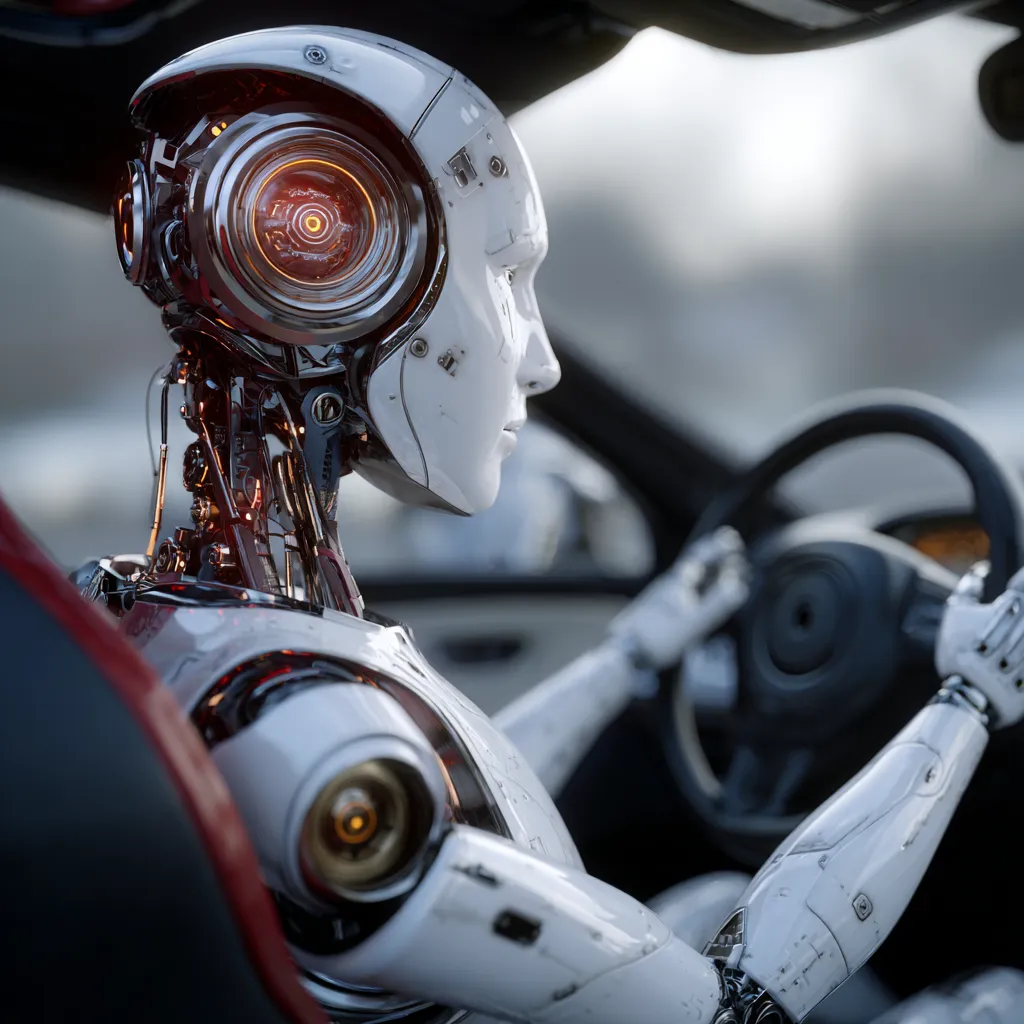
You might not realize it, but the next time your GPS reroutes around traffic, AI is quietly working behind the scenes. From autonomous vehicles to intelligent logistics, AI is at the helm of transportation innovation.
Here’s how it’s changing your journey:
- Autonomous driving: Cars powered by AI navigate roads, sense obstacles, and make split-second decisions.
- Predictive maintenance: Algorithms detect mechanical issues before breakdowns occur.
- Traffic optimization: Smart systems coordinate signals to reduce congestion and emissions.
These innovations not only save time but also contribute to cleaner cities. With sustainability and safety as top priorities, AI at the helm ensures your mobility is smarter, safer, and more sustainable.
Ethical Crossroads — Who’s Really at the Helm?
As AI takes on more responsibilities, an important question arises: who controls the controller?
AI’s potential is massive, but so are its ethical implications. You need to consider:
- Bias and fairness: AI systems learn from data — if that data is biased, so are the outcomes.
- Privacy concerns: Every AI interaction involves data. Who owns that data — you or the machine?
- Job displacement: Automation replaces repetitive tasks, but are new opportunities keeping pace?
Governments and organizations are now drafting policies to ensure AI development stays transparent and accountable. For instance, the EU AI Act aims to regulate high-risk AI applications, prioritizing human safety and fairness.
As a professional, staying informed helps you adapt ethically and strategically in this evolving landscape.
The Human Touch — Why You Still Matter
Despite AI’s dominance, you remain the most valuable part of the equation. Why? Because creativity, empathy, and intuition can’t be replicated by algorithms.
AI at the helm might analyze data and automate workflows, but it can’t dream, imagine, or connect emotionally the way you do. The most successful organizations understand this — they use AI not to replace people, but to empower them.
Here’s how you can stay ahead:
- Learn continuously: AI evolves fast — so should your skills.
- Focus on creativity: Machines handle logic; you bring imagination.
- Embrace collaboration: The future is about human-AI partnership, not rivalry.
When you see AI as a partner, you unlock its full potential. You don’t fear the future — you shape it.
The Future Forecast — What’s Next When AI Is at the Helm
Looking ahead, the horizon is bright — and brimming with innovation. AI will soon be integrated into nearly every aspect of your life.
Emerging Trends to Watch
- Hyper-personalized AI Assistants
Your assistant won’t just respond — it will anticipate your needs, manage your schedule, and adapt to your habits. - AI-Powered Education
Personalized learning systems will tailor every course to your pace, style, and interests. - Predictive Governance
Governments will use AI to anticipate economic trends and respond to crises before they escalate. - AI in Sustainability
Smart energy grids and climate models will help combat environmental challenges using predictive analytics. - Creative AI
From music to visual arts, AI is collaborating with creators to produce works that challenge imagination itself.
When you look at these advancements, one truth stands clear — AI at the helm is steering humanity into a future defined by synergy, not separation.
Conclusion: Embracing the Future with AI at the Helm
You’ve seen how artificial intelligence has already taken the wheel—quietly reshaping the way you work, travel, and make decisions. AI at the helm isn’t a distant dream or a sci-fi fantasy anymore; it’s the driving force behind the next great transformation of our world.
As you navigate this AI-driven era, the real challenge isn’t resisting change—it’s learning to steer with it. The companies and individuals who will thrive are those who understand that AI is not a rival but a partner. You have the opportunity to use it as a co-pilot—enhancing your creativity, boosting efficiency, and expanding what’s possible.
The future is no longer on the horizon; it’s right in front of you. So, take a moment to reflect: how will you harness this technology to shape your tomorrow?
Call to Action:
👉 Stay curious. Keep learning. Subscribe to our insights and join a community that’s discovering how to make the most of AI at the helm—so you’re not just following the future, you’re leading it.
FAQs About AI at the Helm
1. What does “AI at the helm” actually mean?
“AI at the helm” describes a world where artificial intelligence guides major aspects of daily life and business—helping you make faster, smarter, and more informed decisions. It’s about AI taking a leadership role in systems that affect productivity, communication, and innovation.
2. Will AI at the helm replace human jobs?
AI will change the nature of work, but it doesn’t necessarily mean replacement. While automation may take over repetitive tasks, it also opens doors for new roles in AI strategy, ethics, and human-machine collaboration. You’ll see more hybrid positions where humans and AI complement each other’s strengths.
3. How can you prepare for a future with AI at the helm?
Start by developing digital literacy and adaptability. Learn how AI systems operate, understand data basics, and focus on creative and strategic thinking—skills AI can’t replicate. Continuous learning will keep you ahead as technology evolves.
4. Is AI at the helm safe and ethical?
That depends on how it’s implemented. Ethical AI requires transparency, unbiased algorithms, and human oversight. Governments and organizations worldwide are building frameworks to ensure that AI at the helm remains responsible and trustworthy.
5. What industries are being transformed by AI at the helm right now?
You can already see AI reshaping healthcare, finance, transportation, and marketing. From diagnosing diseases and preventing fraud to predicting consumer behavior, AI is at the center of a major digital revolution.
6. How will AI at the helm impact small and medium-sized businesses?
It levels the playing field. Affordable AI tools now give smaller businesses access to analytics, automation, and personalization that were once reserved for large corporations. You can use AI to optimize marketing, improve customer experience, and make smarter business decisions.
7. Can AI at the helm be trusted with decision-making?
AI is powerful but not infallible. It should support, not replace, human judgment. When you keep a human in the loop—reviewing, interpreting, and validating AI insights—you gain both speed and safety.
Table of Contents
Outline of artificial intelligence – Wikipedia
What Is Technology Expense Management and How Can It Solve Hidden IT Costs? – trendsfocus