
Imagine standing in an open field during a thunderstorm. The sky above cracks and roars, and in a sudden, blinding flash, lightning strikes the ground just a few feet away. Your heart races. Fear grips you. Now imagine surviving not just one, but seven lightning strikes in your lifetime. That’s the unbelievable story of Roy Sullivan, a man whose life was defined by both fortune and terror, and a story that will make you rethink the fragile line between life and death.
Who Was the Man Struck by Lightning Seven Times?
Roy Cleveland Sullivan was born in 1912 in Greene County, Virginia. From an early age, he developed a profound connection with the outdoors. Little did anyone know, his passion for nature would make him an unwitting magnet for one of the most violent forces on Earth.
By the time he became a Shenandoah National Park ranger, Roy had fully embraced a life in nature. He patrolled vast stretches of wilderness, tended to forest trails, and guided visitors through the beauty and danger of the Appalachian forests. To those around him, he was a reliable, warm-hearted man. Yet, lurking in the skies above was a danger that would follow him relentlessly.
Roy’s story is more than just a series of bizarre accidents. It’s a tale that challenges your sense of probability, tests your courage, and forces you to confront the unpredictable power of nature.
The Shocking Series of Strikes
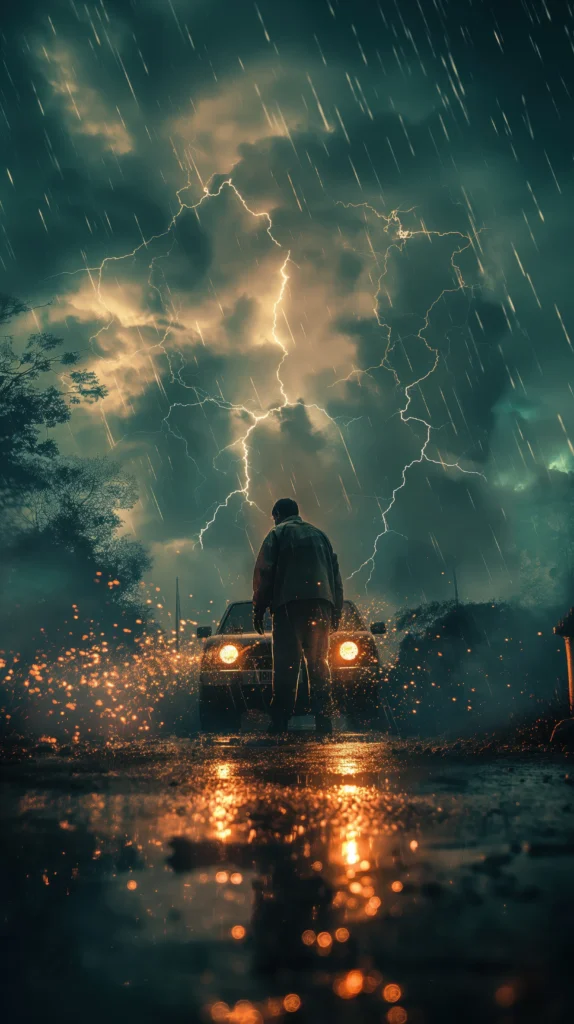
You might think surviving a single lightning strike is miraculous. But for Roy Sullivan, miracles became almost routine. Over 35 years, he was struck seven times, each incident leaving its mark both physically and emotionally.
Timeline of the Seven Lightning Strikes
- 1942 — The First Strike
- Roy was inside a fire lookout tower when lightning struck nearby.
- Result: He lost a toenail.
- Lesson: Even enclosed spaces offer no absolute protection when nature decides to test you.
- 1969 — The Second Strike
- Struck while driving his truck during a storm.
- Result: Knocked unconscious, hair singed.
- You can feel the surreal horror here — surviving an event most people would never imagine.
- 1970 — The Third Strike
- Hit in his front yard while trying to fix something outdoors.
- Result: Shoulder burns.
- It must have felt like a cruel joke — nature reminding him of its omnipresence.
- 1972 — The Fourth Strike
- Occurred inside a ranger station.
- Result: Hair caught fire, clothes slightly burned.
- 1973 — The Fifth Strike
- Struck again while driving.
- Result: Burns to his legs, vehicle slightly damaged.
- 1976 — The Sixth Strike
- Injured his ankle while walking outside in a storm.
- 1977 — The Seventh Strike
- The final documented strike while fishing.
- Result: Burns on his chest and stomach.
After each strike, Roy continued his work as a ranger, showing a level of resilience that seems almost impossible. You can almost imagine the mix of fear and fascination that his coworkers felt, witnessing someone who seemed immune to the odds of mortality.
Can Science Explain Surviving Lightning Seven Times?
When you hear Roy’s story, your first reaction might be disbelief. How could a single person survive multiple lightning strikes? To understand, you need to grasp a bit of science.
Lightning occurs when electric charge builds up in the atmosphere, creating a sudden discharge. The conditions that make a person a likely target are surprisingly simple: tall stature, outdoor exposure, and proximity to conductive objects.
Roy’s job as a park ranger placed him at the perfect intersection of risk factors. His constant outdoor exposure meant he was more vulnerable than the average person. His height and presence in open areas during storms made him almost a magnet for lightning.
Statistically, the odds of being struck by lightning in your lifetime are roughly 1 in 15,000. Roy defied those odds — seven times. Each strike was an anomaly on top of an anomaly, making him a legend not just in his park, but around the world.
How Surviving Lightning Shaped Roy Sullivan’s Life
Being struck by lightning is more than a physical ordeal. You are left with burns, nerve damage, and sometimes chronic pain. Roy’s life after each strike was punctuated by caution, superstition, and a strange sense of humor.
- Fear and Anxiety: He admitted to feeling tense during storms, carrying water with him at all times in case his hair or clothes caught fire.
- Superstitions: Locals began to whisper about his “bad luck,” with some avoiding him entirely.
- Humor and Resilience: Despite everything, Roy often laughed about his predicament. He knew he had survived what most people wouldn’t.
Roy’s story teaches you something profound: surviving repeated disasters doesn’t just test the body — it challenges your spirit, your mental strength, and your ability to continue living fully in the face of constant danger.
Lessons You Can Learn from Roy Sullivan
You may never be struck by lightning, but Roy’s story holds lessons for anyone navigating life’s unpredictability:
- Resilience Matters
- Surviving seven strikes wasn’t just luck — it required perseverance.
- Every challenge you face is a chance to strengthen your resilience.
- Respect Nature
- Nature is powerful and unpredictable.
- Taking storms seriously can save your life.
- Preparedness Saves Lives
- Simple precautions can prevent injury.
- Roy always carried water to douse sparks, showing foresight even in unusual circumstances.
Man Struck by Lightning Seven Times
Even if you’re not a park ranger, storms can happen anytime. Protect yourself with these simple steps:
- Seek enclosed shelter immediately if you hear thunder.
- Avoid open fields, hilltops, or tall isolated trees.
- Stay away from metal objects like fences and poles.
- Avoid water activities during a thunderstorm.
- Wait at least 30 minutes after the last clap of thunder before leaving shelter.
By following these tips, you significantly reduce your risk of becoming a lightning statistic.
FAQs About Roy Sullivan, the Man Struck by Lightning
Q: Was Roy Sullivan really struck by lightning seven times?
A: Yes. Each strike was documented and verified by park authorities and medical records, earning him a Guinness World Record.
Q: How rare is it to survive a lightning strike?
A: While the survival rate is higher than many assume (about 90%), repeated strikes are extremely rare. Roy’s case is virtually unparalleled.
Q: Did the strikes kill him eventually?
A: No. Roy passed away in 1983 from unrelated causes. His life ended naturally, despite his constant brushes with death.
Q: Can you increase your chances of survival if struck?
A: Immediate medical attention, staying calm, and following safety precautions during storms are critical.
Why Roy Sullivan’s Story Resonates
You can’t help but feel a mixture of awe and empathy when reading about Roy Sullivan. His life was a rollercoaster of danger and survival, showing you that human beings can endure far more than we realize. His tale is:
- Inspirational: Demonstrates resilience against odds that seem impossible.
- Cautionary: Reminds you to respect forces beyond human control.
- Human: Shows humor, courage, and fear coexisting in one man’s life.

Conclusion: Standing in the Eye of the Storm
Roy Sullivan’s life challenges everything you think you know about luck, fate, and survival. Being struck by lightning seven times is a story that defies logic, yet it also teaches you something vital: courage and resilience matter, even when life seems determined to test you.
Next time you hear thunder, you might pause, feeling a touch of fear — and maybe a spark of awe. Because nature is powerful, unpredictable, and utterly magnificent. And while most of us will never face what Roy did, we can all carry a lesson from his extraordinary journey: respect the storm, embrace life, and never underestimate your own resilience.
Call to Action:
If Roy Sullivan’s story left you inspired or amazed, share this article with someone who loves extraordinary real-life tales. And next time you’re caught in a storm, remember his courage — and take cover. Your safety is worth it.
Table of Contents
Jim Lewis and Jim Springer: Twins Separated at Birth, Same Life by Fate – trendsfocus