
A Morning That Feels Different
You wake up to a sky the color of steel, the air heavy and still. The ocean seems to breathe in and hold its breath. In moments like this, you know something is coming. Across the Caribbean, people like you are doing the same thing — watching the horizon, checking updates, and hoping for calm.
But Storm Melissa isn’t just a passing squall. It’s a growing system with power that demands your attention, preparation, and respect. Whether you’re on an island in its path or simply following the news, this story matters — because when storms strike here, they test not just structures, but spirits.
What Is Storm Melissa? Understanding the Threat
Formation and Movement
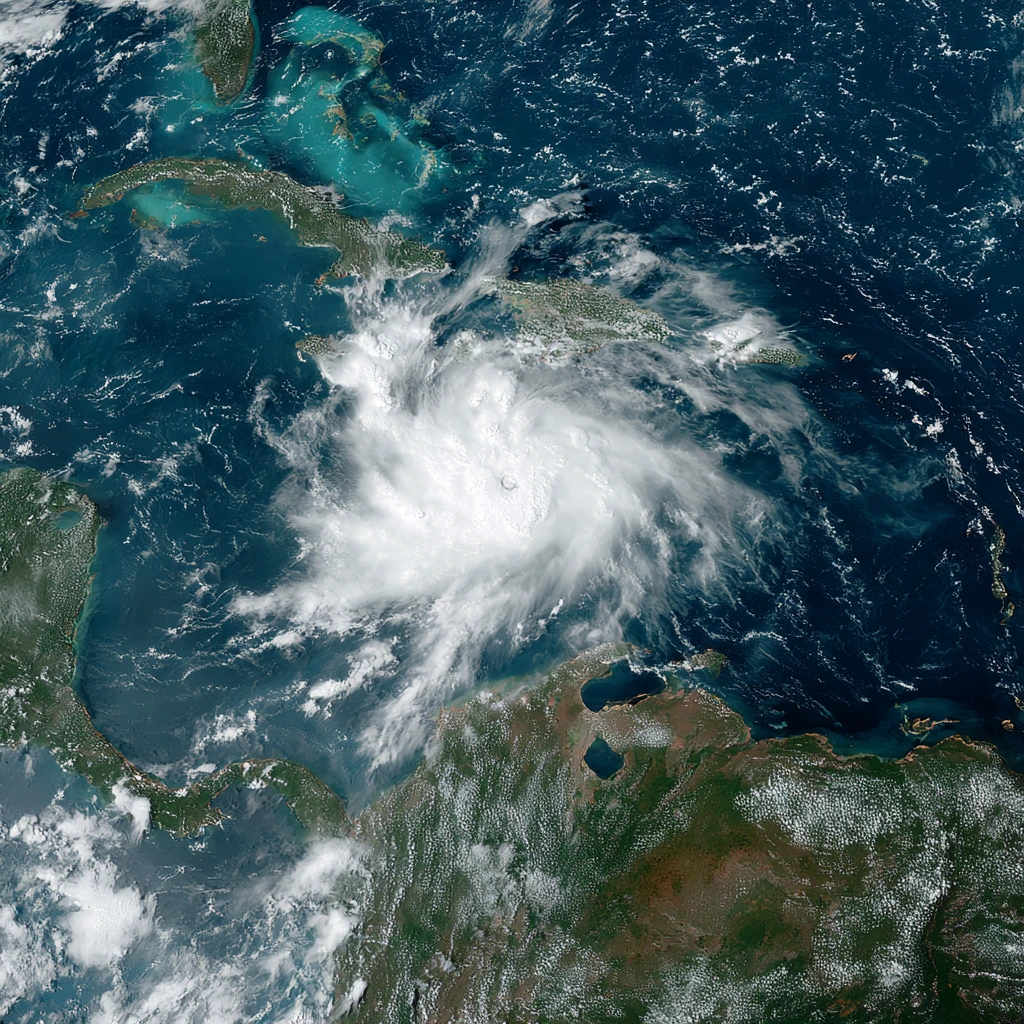
Storm Melissa began as a cluster of thunderstorms over the warm Caribbean Sea — conditions that often spark the birth of tropical systems. Within days, it organized into a strong tropical storm, swirling with winds powerful enough to uproot trees and churn the ocean into chaos.
You can imagine the system’s slow rotation as it pulls in moisture and energy, inching closer toward populated coastlines. Its movement may seem slow, but that’s what makes it dangerous — lingering storms bring days of heavy rainfall, flooding, and widespread disruption.
Why Storm Melissa Matters
Unlike short-lived tropical disturbances, Storm Melissa is slow, strong, and unpredictable. Its rainbands stretch for hundreds of miles, threatening multiple nations simultaneously.
If you live in the Caribbean, this isn’t just a “weather story” — it’s a situation that could interrupt electricity, water supplies, travel, and communication. For visitors, it means altered flight plans, resort closures, and safety advisories. For locals, it means vigilance, teamwork, and resilience.
Caribbean Islands on Alert: Regions Most at Risk
High-Risk Areas
Here’s how the risk zones are shaping up across the Caribbean:
- Jamaica – Strong winds, flooding rains, and possible coastal storm surges.
- Haiti – High rainfall totals, with flash floods and landslides expected in mountainous areas.
- Dominican Republic – Widespread rainfall may cause road blockages and power cuts.
- Puerto Rico – Storm tides and travel interruptions along coastal towns.
- Eastern Cuba & Lesser Antilles – Anticipated heavy showers and strong gusts as the system drifts westward.
Emergency Declarations and Precautions
Governments across the region have activated emergency response teams, opened shelters, and urged residents to secure property before conditions worsen.
If you live in one of these areas, now is the time to finalize preparations — charge devices, store water, and stay tuned to local authorities. You may have faced storms before, but every system is different, and complacency can be dangerous.
How Storm Melissa Could Affect Daily Life and the Economy
Travel and Tourism Disruptions
If you have travel plans to the Caribbean, brace for changes. Airports often suspend operations when storms approach, and airlines reroute flights for safety. Cruise ships alter their paths, and resorts along the coast may close temporarily.
For tourism workers, this means a pause in business and potential income losses — a reminder that weather isn’t just a natural force but an economic one too.
Impact on Agriculture and Local Livelihoods
Heavy rain and strong winds can wipe out weeks of work in a single night. Fields of bananas, sugarcane, or vegetables may flood, livestock can be lost, and fishing operations might come to a halt.
If you’re part of the local farming or fishing community, this is the time to protect what you can — move equipment to higher ground, cover supplies, and ensure boats are securely docked.
Infrastructure and Power Systems
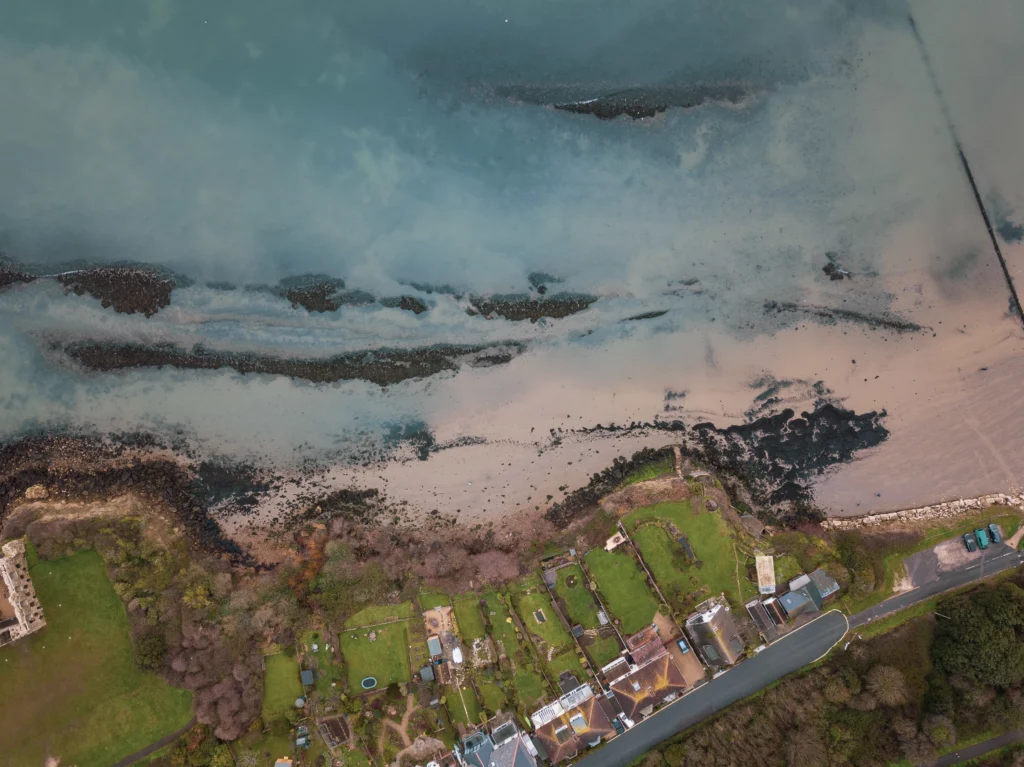
When tropical storms hit, you can expect power outages, blocked roads, and communication breakdowns. Low-lying communities are especially vulnerable.
Your best defense is preparation: fuel for generators, charged devices, and alternative ways to communicate. If authorities issue evacuation orders, don’t wait — leave early and stay with relatives, friends, or at community shelters.
How to Stay Safe During Storm Melissa
Before the Storm
Your actions before the first raindrop matter most. Here’s your preparation checklist:
- Secure loose items like outdoor furniture, signs, and trash bins.
- Stock enough water, food, batteries, and medication for several days.
- Keep cash on hand; ATMs may go offline.
- Back up important documents and keep them in waterproof bags.
- Know where the nearest shelter or safe high ground is located.
During the Storm
When Storm Melissa arrives, your safety depends on staying calm and informed:
- Stay indoors and away from glass windows.
- Keep a battery-powered radio or mobile alerts on.
- Avoid driving or walking through floodwaters — even shallow water can sweep you away.
- Keep children and pets close.
After the Storm
When the wind stops, danger doesn’t end immediately.
- Watch for downed power lines and unstable structures.
- Boil or treat water before drinking if supplies are compromised.
- Document property damage for insurance or relief claims.
- Check on elderly neighbors and help where you can — recovery is a community effort.
How the World Is Responding to Storm Melissa
Humanitarian and Regional Support
As Storm Melissa intensifies, regional organizations and neighboring countries are on alert to provide aid. Relief supplies, medical kits, and emergency teams are often pre-positioned across key islands to respond quickly after landfall.
International groups also monitor the storm’s progress to send help where it’s needed most. For you, that means staying aware of available assistance programs and community support lines after the storm passes.
The Bigger Picture — Climate and the Future
Melissa’s behavior fits a troubling pattern — tropical storms are becoming stronger, wetter, and slower. Warmer ocean waters give these systems extra fuel, and the results are clear: heavier rain, more damage, longer recovery times.
This isn’t just about one storm; it’s a sign of shifting climate dynamics that affect your region’s safety and economy. The lesson? Adaptation and resilience aren’t optional anymore — they’re essential.
Real Voices, Real Resilience
Across the Caribbean, you can sense the mix of fear and determination. A shopkeeper secures her storefront but keeps a light burning in hope. A family moves valuables upstairs, the children helping without complaint.
Storm Melissa, like others before it, brings uncertainty — but it also reminds you of what matters: community, preparation, and courage. The Caribbean has faced tempests for centuries, and every time, its people rise again.
Frequently Asked Questions About Storm Melissa
What’s the current status of Storm Melissa?
Storm Melissa is a strong tropical system with winds nearing hurricane strength. It continues to move slowly across the Caribbean, bringing days of heavy rainfall and gusty winds.
Which areas are most affected?
The storm’s impact zone stretches across Jamaica, Haiti, the Dominican Republic, Puerto Rico, and eastern Cuba — with potential effects reaching nearby islands as well.
Could Storm Melissa turn into a hurricane?
Yes. Forecasts indicate that warm ocean waters and favorable conditions could help Melissa strengthen into a hurricane before it exits the Caribbean.
How can I stay updated during the storm?
Rely on official weather services, radio updates, and government alerts. Avoid rumors or social media speculation, which can cause unnecessary panic.
I’m traveling to the Caribbean — what should I do?
If your trip coincides with Storm Melissa’s approach, contact your airline and hotel for guidance. Postpone non-essential travel, and keep safety as your top priority.
Conclusion — Standing Strong Amid the Storm
Storm Melissa is more than a weather pattern — it’s a reminder of how fragile and connected life in the Caribbean truly is. You may not be able to control the wind or rain, but you can control how prepared and informed you are.
When you take precautions, help your neighbors, and follow trusted advisories, you’re doing more than protecting property — you’re strengthening community resilience.
The Caribbean’s story has always been one of endurance, beauty, and renewal. Storm Melissa will pass, as others have before it. But what stays behind — your spirit, your unity, your readiness — will continue to shine.
💪 Your Next Step
If you’re in the Caribbean or have loved ones there, take a few moments today to review your emergency plan. Share this article to help others prepare.
And even if you’re far away, you can still help — by spreading awareness, donating to credible relief efforts, or simply reminding others that storms don’t last forever, but strong people do.
Stay alert. Stay safe. Stay ready.
Table of Contents
Hurricane Melissa (2025) – Wikipedia
New World Record: Lightning Bolt Spans 515 miles – trendsfocus