
Introduction: Why “A Republic Against Kings” Matters for You
Imagine, for a moment, that you’re standing on the edge of a vast lake—its surface rippling with every breeze of change. Now imagine that each ripple is a decision, a voice, a promise of self‑governance. That’s what 1776 was to the American experiment: a moment when a people said, enough — enough of monarchs, enough of inherited power, enough of being subjects instead of citizens.
You may not live in the eighteenth century, but you live in the place that decision created. The phrase Republic Against Kings isn’t a dusty slogan—it’s a living question. It asks: Will you hold power to account? Will you guard the legacy of liberty?
In this article, you’ll walk through how 1776 set the stage for modern American politics, how its principles still echo—and how you can understand, engage, and act with that legacy in mind.
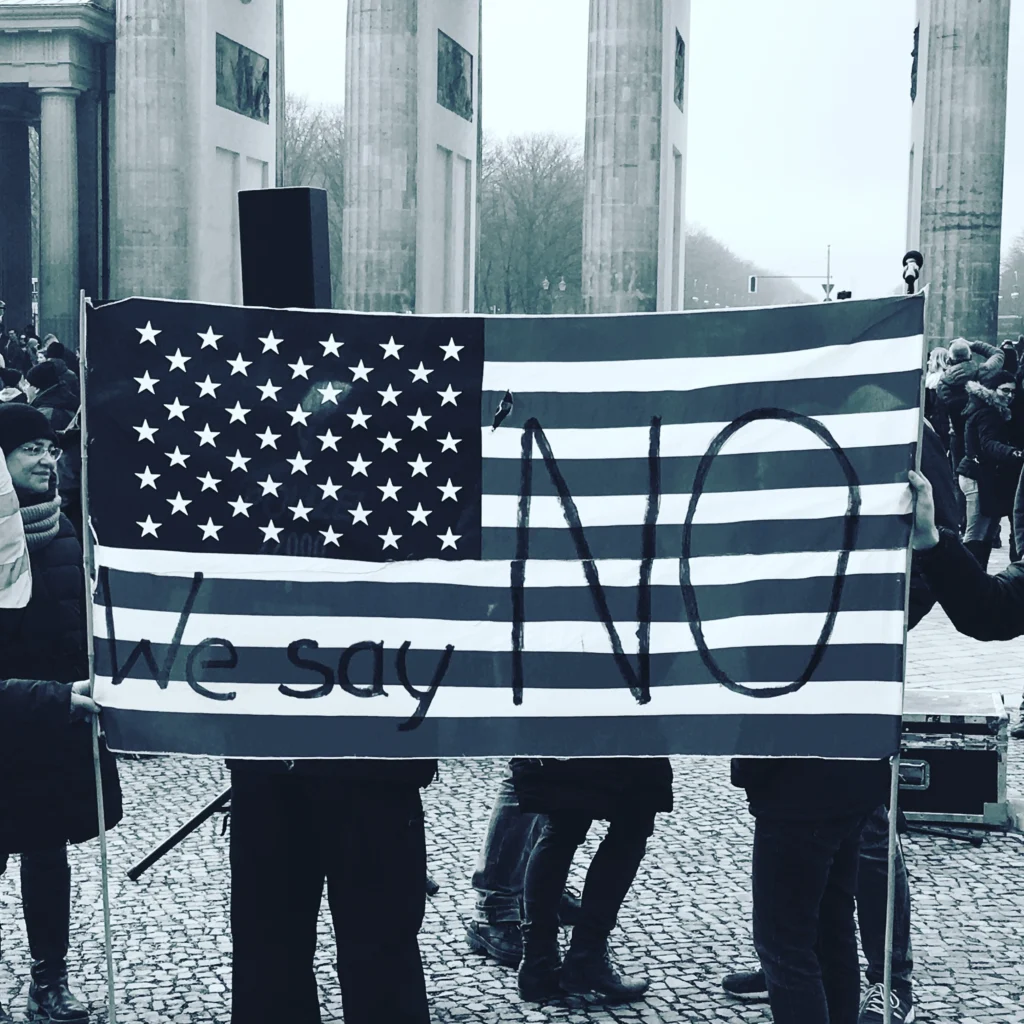
What Does “A Republic Against Kings” Actually Mean?
You’ve likely heard about the American Revolution, but the deeper meaning can get lost. Here, we unpack that meaning—so you can see the true weight behind the phrase and why it still matters.
The Founding Principle
- In 1776, the colonial leaders declared that authority should come from the people—not from a king. Thomas Jefferson’s Monticello+2The Heritage Foundation+2
- “A Republic Against Kings” captures the shift from subjects under a monarchy to citizens in a state founded on popular consent.
- That consent isn’t passive—it’s active, it requires your participation.
Republic Versus Monarchy: Two Different Games
- Monarchy: power concentrated, often hereditary, legitimacy claimed rather than earned.
- Republic: power derived from the people, legitimacy contingent on accountability, leaders subject to rules.
- The revolution didn’t merely overthrow a king—it proposed a radically different architecture of governance.
Influences and Documents
- Thinkers like John Locke inspired what would become American political language: natural rights, government by consent. The Heritage Foundation+1
- In the Declaration of Independence, you see this plainly: “all men are created equal… endowed by their Creator with certain inalienable rights.” Thomas Jefferson’s Monticello+1
- So when you read “A Republic Against Kings,” you’re reading about authority redefined—not just a change of leadership, but of system.
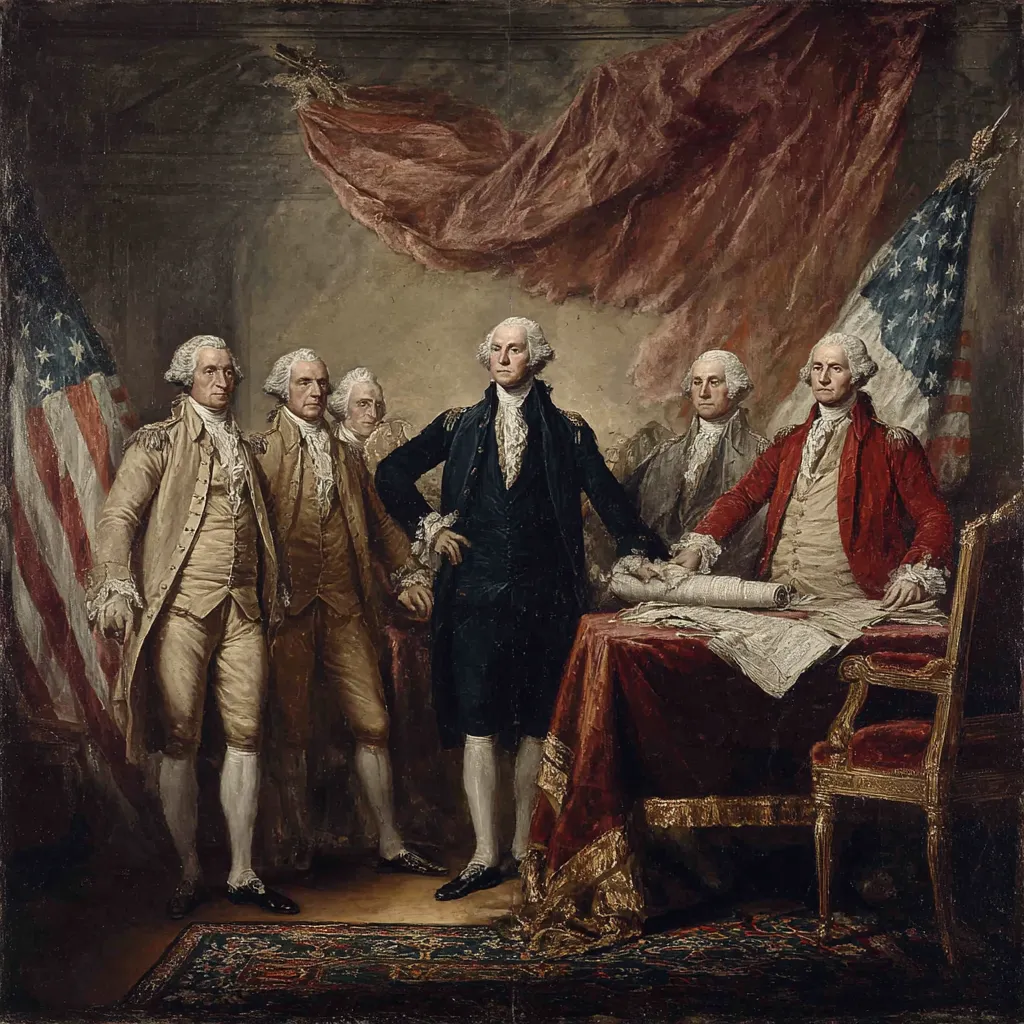
1776 and the Birth of the American Political Identity
When you think of America, what comes to mind? Freedom. Government “by the people.” That image traces its roots to 1776—and here’s how.
Revolutionary Republicanism
- Colonists adopted the concept of popular sovereignty: that government rests on the will of the people. The Heritage Foundation+1
- There was a deep fear of concentrated power—even of strong central government—because they saw what unchecked power had done under monarchy.
Constitutional Safeguards Against Kingship
- The later design of the U.S. Constitution built in checks and balances, separation of powers, regular elections—the opposite of a king’s indefinite rule.
- States and federal structures balanced power rather than letting it accumulate.
- The Constitution, to you, is more than a legal document—it is a guardrail against the return of centralized, unchecked power.
State vs. Federal Power
- Early American politics were deeply infused with anti‑monarchical sentiment: many saw even a dominant federal government as potentially tyrannical.
- Federalism offered a decentralised structure: state legislatures, local governance, multiple centres of power.
- That distributed form of governance still matters when you think of local vs. national authority today.
Echoes of 1776 in Modern American Political Rhetoric
You might have noticed how often politicians talk about “the founding,” “our republic,” or “the Founders.” The legacy of 1776 remains alive in the language of politics.
Campaigns and Revolutionary Language
- Phrases like “take our country back”, “drain the swamp”, and references to “the Founding Fathers” all draw upon the spirit of 1776.
- The rhetoric isn’t just nostalgic—it taps into a deeper sentiment: We are reclaiming control from power.
- To you as a voter or citizen, that means the founding era is still a symbolic battleground.
Presidents and the Fear of “King‑Like” Power
- One of the recurring criticisms in American life is executive overreach—when a President seems more like a monarch.
- Whether it’s executive orders, indefinite wartime powers, or circumventing Congress, part of the debate is whether modern leaders respect the republican tradition.
- That means your awareness of how power is used (or misused) is part of living the legacy of 1776.

Pop Culture, Patriotism, and the Myth of 1776
You’ve seen Fourth of July parades, fireworks, “1776” musicals or films. But the way we remember the founding also shapes how you perceive it—and the good and the bad of that.
Celebration and Selective Memory
- The founding is celebrated as heroic: people standing up to a king, forming a new democracy. Thomas Jefferson’s Monticello+1
- But often the more complicated parts—such as who was excluded (women, enslaved people, Indigenous nations)—get overlooked.
- When you consume this national story, ask: whose voices are missing?
Risks of Mythologizing
- The myth can obscure reality: the founding era included slavery, native dispossession, gender exclusion.
- When the message becomes “everything was perfect,” you lose the chance to learn and grow from what wasn’t.
- Your understanding of 1776 must include both its ideals and its contradictions.
Lessons from 1776 for Today’s Democracy
Now let’s bring it home: what does all this mean for you? For your role in our republic?
Civic Responsibility—Then and Now
- The Founders assumed that citizens would stay engaged. Indeed: you are part of the system, not just a bystander.
- Voting, public discussion, civic literacy—they aren’t optional. They keep the republic alive.
- When you educate yourself, hold leaders accountable, participate in community governance, you are honouring that legacy.
Protecting Against Modern Kingship
Here are warning signs and key questions you might ask when thinking about power in America today:
- Is power becoming too concentrated (executive, judicial, corporate)?
- Are dissent and opposition voices being silenced or ignored?
- Are elections competitive and fair, or is the system favouring one side?
- Is there transparency, accountability, and rule of law?
These issues aren’t relics—they’re live debates. The spirit of 1776 demands you watch for them.
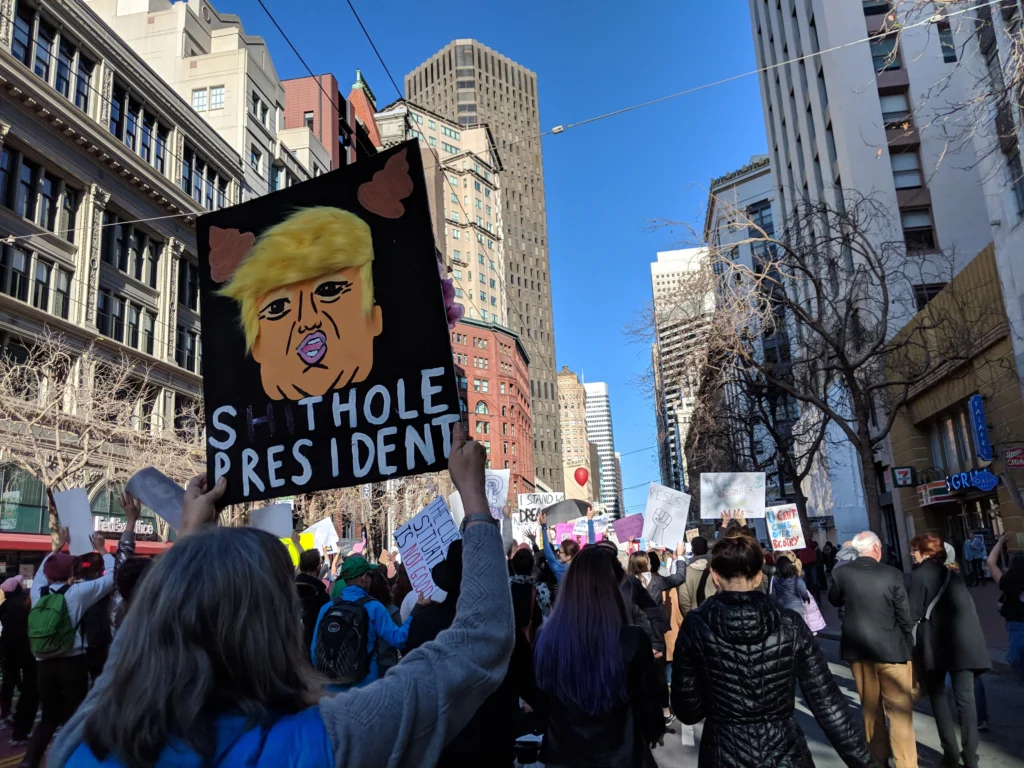
Conclusion — A Republic if You Can Keep It
When Benjamin Franklin was asked after the Constitutional Convention what kind of government had been created, he responded: “A republic, if you can keep it.” That phrase applies to you, right now.
The legacy of 1776 isn’t something sealed in a museum—it’s something you carry, every day: in how you vote, how you speak up, how you guard against tyranny in its many forms. You live in a republic founded on the idea that kings shouldn’t rule us.
The question remains: Will you guard that republic? Will you engage, resist complacency, question power? When you do, you keep the spirit of 1776 alive—and you help ensure that the phrase “A Republic Against Kings” continues to matter for generations to come.
Call to Action:
Now that you’ve explored the legacy of 1776 and what it means for today’s political life, take one step: choose one way to engage this week—read a primary document, attend a local civic meeting, or share your thoughts with others. Your voice matters. Your participation matters. Because this republic depends on you.
FAQ: A Republic Against Kings
What does “A Republic Against Kings” mean?
It refers to the core idea of America’s founding: rejecting hereditary monarchy and embracing a government of—and by—the people, under the rule of law and accountability.
How does the legacy of 1776 influence today’s politics?
It shapes our suspicion of concentrated power, informs checks and balances, fuels rhetorical appeals to the Founding, and reminds us that governance is a responsibility, not just a privilege.
Did the Founding Fathers all oppose all forms of central power?
They opposed the monarchy and unchecked rule, but they had varied views. Some believed a strong central government was necessary. Their compromise still influences you today.
How can I uphold the ideals of 1776 today?
- Stay informed about government and civic structures.
- Vote in elections and engage in public debate.
- Question concentrated power and defend transparency.
- Recognize the complexity of history—honour ideals, acknowledge shortcomings.
By doing so, you are part of the living legacy of “A Republic Against Kings.”
Table of Contents
2026 Social Security COLA: What the Increase Means for You – trendsfocus