
Opening: Unlock Your Full Potential with the Right Fuel
When you’re in the middle of a workout, whether it’s a sprint to the finish line or pushing yourself through a challenging lifting session, the last thing you want to feel is that sudden wave of fatigue. You’ve trained hard, but suddenly, your energy drains, your muscles feel weak, and your mind starts to falter. What went wrong? The answer often lies in how you’ve fueled your body.
Nutrition plays an integral role in your physical performance. The science of sports nutrition is about more than just consuming healthy food. It’s about giving your body the right types of fuel at the right times to maximize energy, enhance recovery, and improve overall performance. Whether you’re a weekend warrior, an aspiring athlete, or someone looking to elevate your fitness game, understanding the science behind sports nutrition can be the game-changer you need to reach your peak.

What Is Sports Nutrition?
Before we dive into the complex science, let’s clarify what sports nutrition really is.
Sports nutrition focuses on the right balance of nutrients that fuel your body during training, aid in recovery, and promote muscle growth and performance enhancement. It’s not just about eating healthy; it’s about eating specifically to support and improve your physical activity. When done correctly, the right sports nutrition plan can help you maximize your energy output, improve endurance, increase strength, and reduce the risk of injuries.
Why Does Sports Nutrition Matter?
You need energy to perform—whether it’s running, lifting weights, or cycling. Your body gets that energy from the food you consume, and the better the fuel, the better the performance. Think of your body as a high-performance vehicle; without the right kind of fuel, you won’t run as efficiently or as long.
The Science of Macronutrients: Fueling Your Body
Your body needs three primary macronutrients: carbohydrates, proteins, and fats. These macronutrients are the primary sources of energy that support your performance and recovery.
Carbohydrates – Your Body’s Energy Source
Why Carbs Matter: Carbs are your body’s preferred source of energy during high-intensity workouts. They’re quickly broken down into glucose, which is used by your muscles as energy. If you’re engaging in activities that require short bursts of power—such as sprinting, swimming, or lifting weights—your body relies on glycogen (the stored form of carbohydrates) to fuel you.
What Types of Carbs Should You Focus On?
- Simple Carbs: These are sugars that break down quickly in your system and provide fast energy. Simple carbs are ideal when you need a quick burst of energy, especially right before a workout. Think fruit, energy gels, or a quick smoothie.
- Complex Carbs: These break down more slowly and provide sustained energy over a longer period. Ideal for fueling longer training sessions, complex carbs come from whole grains like oats, quinoa, brown rice, and starchy vegetables like sweet potatoes.
Carb Intake Recommendations:
- Pre-Workout: Aim for 30-60 grams of carbs in your pre-workout meal, 30-60 minutes before your exercise.
- Post-Workout: After your workout, replenish glycogen stores with 1.2-1.5g of carbs per kilogram of your body weight.
Proteins – Building and Repairing Muscle
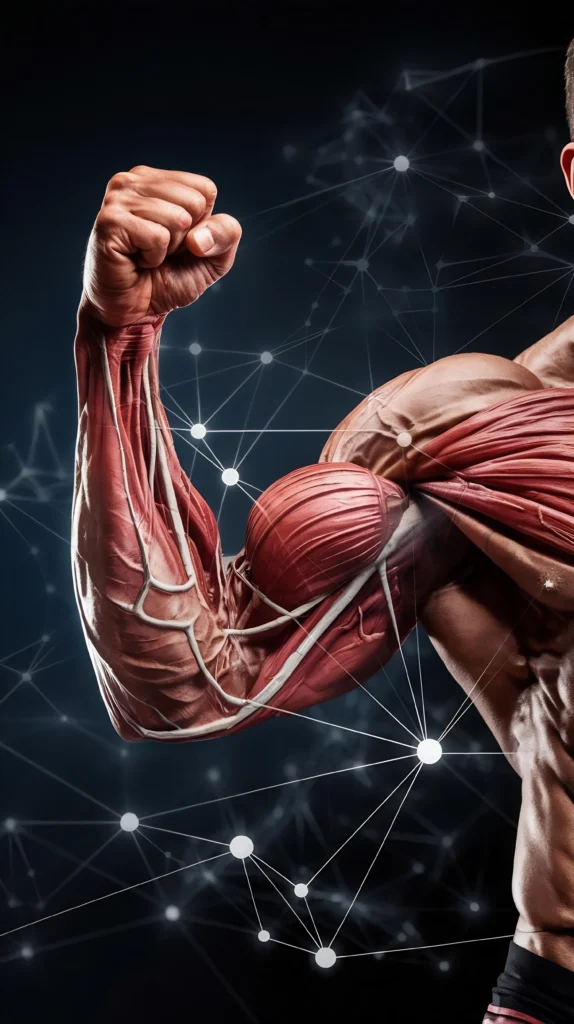
Why Protein Is Essential: Protein is the cornerstone of muscle repair and growth. When you exercise, particularly during resistance training or endurance sports, you cause small tears in your muscle fibers. Protein helps rebuild these fibers, making them stronger and more efficient.
How Much Protein Do You Need?
The recommended protein intake varies based on your activity level. However, the general guideline is:
- For moderate to intense exercise, aim for 1.2 to 2.0g of protein per kilogram of body weight.
Best Sources of Protein:
- Animal-Based: Chicken, turkey, lean beef, eggs, and dairy.
- Plant-Based: Lentils, quinoa, tofu, edamame, chickpeas, and nuts.
When Should You Eat Protein?
Post-workout, your muscles are crying for protein to help them rebuild and recover. Aim to consume 20-30 grams of protein within 30 minutes to 2 hours after your workout to optimize muscle repair.
Fats – The Slow-Burning Fuel for Endurance
Why Fats Are Important: Fats are an essential nutrient that provide long-lasting energy for your body, particularly during low to moderate-intensity activities like jogging, cycling, or long-distance running. They also play a crucial role in hormone regulation, immune function, and joint health.
Healthy vs. Unhealthy Fats:
- Healthy Fats: These come from sources like avocados, nuts, seeds, olive oil, and fatty fish like salmon.
- Unhealthy Fats: These are typically found in processed foods and should be avoided, as they can lead to inflammation and sluggish performance.
Fats for Endurance Athletes:
If your activity involves long durations of moderate-intensity exercise, fats become your primary source of energy after glycogen stores are depleted. Ensure that you’re getting at least 20-30% of your total calories from healthy fats.
The Role of Micronutrients: Small but Mighty
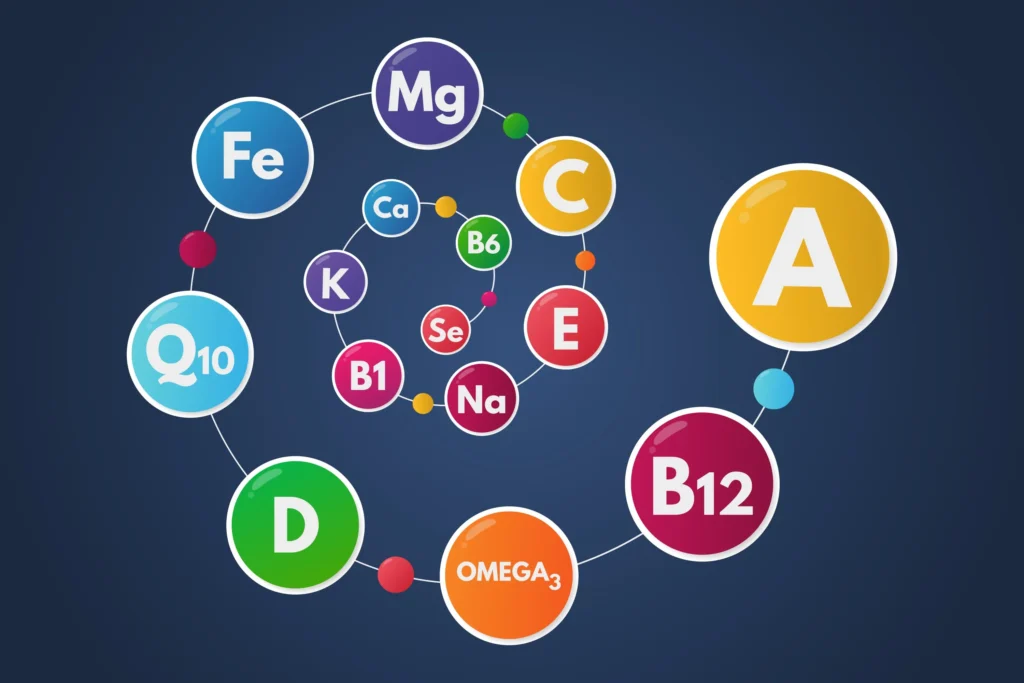
Micronutrients—vitamins and minerals—might not provide energy directly, but they are critical to overall performance. Without adequate vitamins and minerals, your body won’t function optimally during workouts or recovery.
Key Vitamins and Minerals for Athletes
- Vitamin D: Helps with calcium absorption and bone health. It’s also crucial for immune function.
- B Vitamins: Aid in converting carbohydrates, fats, and proteins into usable energy. B12 and folate are particularly important.
- Magnesium: Plays a role in muscle function and helps prevent cramps during prolonged activity.
- Iron: Supports oxygen transport in the blood and is essential for endurance athletes.
Micronutrient Tips:
- Eat a balanced diet rich in colorful fruits and vegetables to ensure you’re getting a wide array of vitamins and minerals.
- Consider supplementation if you have specific deficiencies, but always consult a healthcare provider first.

Hydration: Water and Electrolytes Are Key
Hydration is a Cornerstone of Performance: Dehydration can lead to reduced performance, muscle cramps, dizziness, and even serious health issues like heat exhaustion. Staying hydrated helps regulate body temperature, lubricates your joints, and supports muscle function.
How Much Water Do You Need?:
Aim for about 2-3 liters of water per day as a baseline. However, the more intense your workouts, the more water you’ll need. In hot and humid conditions, you might need even more to stay hydrated.
Electrolytes and Hydration:
When you sweat, you lose electrolytes (sodium, potassium, magnesium), which are essential for muscle function. Replenishing these electrolytes helps maintain fluid balance and prevents cramps. Opt for:
- Electrolyte drinks: Choose low-sugar sports drinks to replenish these minerals during long, intense workouts.
Hydration Tips:
- Drink 500-600ml of water 2-3 hours before exercise.
- During long workouts or races, sip on water with electrolytes.
- Post-workout, aim to drink 1.5 liters of water per kilogram of body weight lost.

Timing Your Nutrition: The Key to Optimizing Performance
Pre-Workout Nutrition:
What you eat before a workout can greatly influence your performance. Aim for a balanced meal that includes carbohydrates and a bit of protein, eaten 30-60 minutes prior to your training.
Example Pre-Workout Meals:
- A banana with almond butter
- A bowl of oatmeal with berries
- A slice of whole-grain toast with avocado
Post-Workout Nutrition:
The post-workout meal is all about recovery. Your muscles need protein to repair, and your body needs carbs to replenish the glycogen you’ve burned. Eat within 30-60 minutes after your workout.
Example Post-Workout Meals:
- A protein shake with a piece of fruit
- A turkey sandwich on whole-grain bread
- Grilled chicken with sweet potatoes and steamed broccoli

Supplements: Should You Use Them?
While a well-rounded diet should be your primary source of nutrition, some athletes choose to use supplements to fill gaps or boost performance.
Popular Supplements:
- Creatine: Helps improve strength and power output.
- BCAAs: Aid in muscle recovery and reduce soreness.
- Protein Powder: Convenient for those who struggle to meet their protein needs from food alone.
Do You Really Need Supplements?
Supplements can help, but they should complement a healthy diet, not replace it. Always check with a healthcare professional before adding supplements to your routine.
Conclusion: Fuel Your Performance, Transform Your Results
Sports nutrition is not a one-size-fits-all approach. It’s a science that requires experimentation and balance to find what works best for your body and your goals. Whether you’re training for a marathon, lifting for strength, or just staying active, the right nutrition strategy can significantly enhance your performance and recovery.
By fueling your body with the right macronutrients at the right times, staying hydrated, and ensuring you’re meeting your micronutrient needs, you’ll set yourself up for success. Remember: every athlete—no matter their level—can benefit from the power of sports nutrition.
Ready to Take Your Performance to the Next Level?
It’s time to optimize your sports nutrition for peak performance. Start incorporating these tips and techniques today, and watch your
Table of Contents
Leveraging Customer Feedback to Boost Business Growth – trendsfocus