
Engaging in sports and physical activities offers an abundance of health benefits: improving cardiovascular health, boosting mental well-being, increasing muscle strength, and enhancing flexibility. Whether you’re an elite athlete or someone who enjoys recreational exercise, you’re likely aware that the risk of injury can never be fully eliminated. From sprained ankles to more serious injuries like fractures or torn ligaments, the possibility of getting hurt is part of the territory when you’re active. However, it’s important to note that a vast majority of these injuries are preventable with the right preparation, equipment, and lifestyle choices. Understanding the factors that contribute to sports injuries—and more importantly, how to mitigate those risks—can make all the difference in enjoying a lifetime of physical activity, without unnecessary setbacks. In this comprehensive guide, we will explore the most effective strategies to prevent sports injuries, empowering you to stay healthy and active.
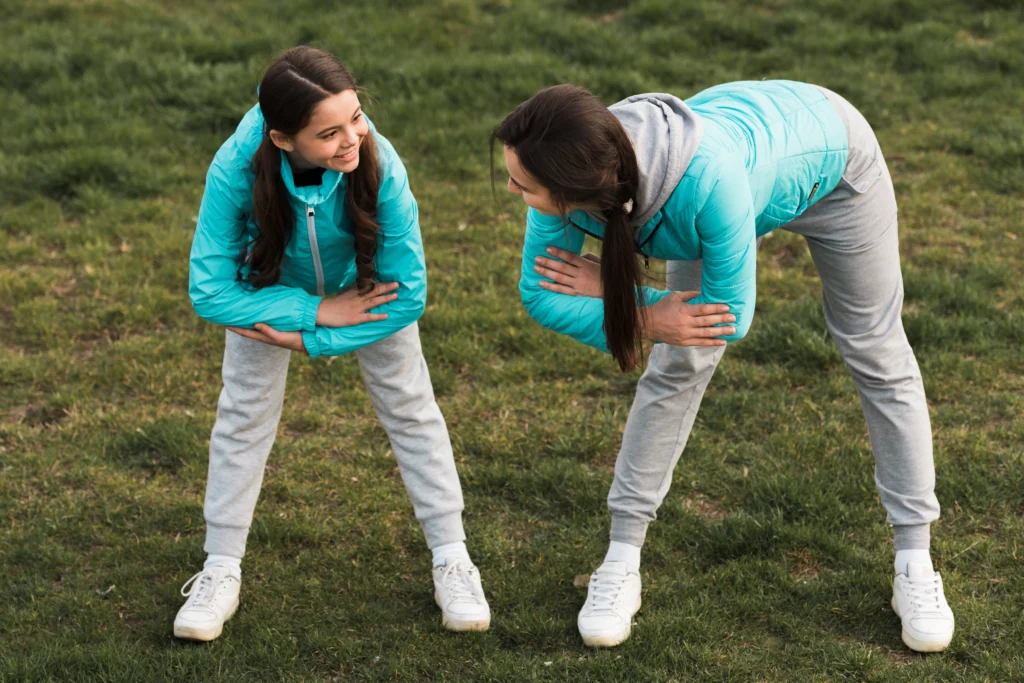
Warm Up and Cool Down: Crucial Steps for Injury Prevention
The Science Behind Warming Up
The warm-up is not just a formality—it’s an essential step to prevent injuries. Warming up increases the body’s temperature, which allows muscles and joints to become more pliable and less prone to strains. It prepares the cardiovascular system for the increased demands of exercise by gradually increasing blood flow to the heart, muscles, and other organs.
Dynamic stretches and low-intensity exercises are the best warm-up practices. For example, if you’re a runner, start with brisk walking or light jogging, then incorporate dynamic stretches like leg swings, high knees, or walking lunges to target the lower body muscles. These activities activate the muscle groups used during your sport, preparing your body for the specific motions you’ll perform. Dynamic stretches help increase flexibility and range of motion, reducing the risk of muscle tears or strains.
Cool-Down: Essential for Muscle Recovery and Flexibility
While the warm-up prepares your body for activity, the cool-down is equally important for ensuring proper recovery and preventing injuries. After intense physical activity, your muscles are tense and fatigued, and your body needs time to gradually return to its resting state. The cool-down helps reduce the buildup of lactic acid and metabolic waste products in your muscles, alleviating soreness and decreasing stiffness in the hours following your workout.
A typical cool-down should involve 5 to 10 minutes of low-intensity exercise (like walking or slow jogging) to gradually lower your heart rate. This is followed by static stretching, where you hold each stretch for 20 to 30 seconds. Focus on the muscle groups that were primarily used during your activity. For example, after a run, stretch your quadriceps, hamstrings, calves, and hip flexors. Static stretching not only helps in muscle recovery but also increases overall flexibility, which aids in injury prevention for future activities.

Use the Right Equipment: Protecting Yourself from Injury
Choosing the Correct Footwear for Your Activity
Proper footwear is the foundation of injury prevention in any sport or physical activity. The shoes you wear provide the necessary support, cushioning, and stability to reduce the strain on your joints and muscles. Wearing the wrong type of shoes or shoes that are too old can lead to a range of issues, including blisters, joint pain, and stress fractures.
For high-impact sports like running or basketball, look for shoes with cushioning to absorb shock, and choose footwear designed to support the specific movements of the activity. Running shoes are designed to protect against the repetitive force of running, while basketball shoes provide ankle support for lateral movements. If you’re engaging in activities like hiking or soccer, consider shoes with specialized tread patterns to provide better grip on various surfaces.
As your shoes age, the cushioning and support degrade, so it’s crucial to replace them regularly. A good rule of thumb is to replace running shoes every 300 to 500 miles, depending on usage and wear.
The Importance of Protective Gear
Depending on the sport you’re participating in, wearing protective gear is critical to safeguarding yourself from injury. In high-contact sports like football, hockey, or rugby, helmets, pads, mouthguards, and other gear are essential for preventing traumatic injuries such as concussions, fractures, and ligament tears. Even non-contact sports like cycling or skateboarding require helmets and pads to protect the head, knees, elbows, and wrists.
When purchasing protective equipment, it’s vital to choose items that fit properly. A helmet that’s too loose won’t provide adequate protection, and knee pads that don’t stay in place won’t help in a fall. Regularly inspect your gear for wear and tear. For example, helmets and pads have a limited lifespan and must be replaced once they become damaged or lose their protective integrity.

Stay Hydrated and Nourish Your Body for Performance and Recovery
The Role of Hydration in Injury Prevention
Hydration plays an often-overlooked but crucial role in preventing sports injuries. When you’re physically active, you sweat to cool your body down, and this results in fluid loss. Dehydration can lead to muscle cramps, dizziness, heat exhaustion, and fatigue—all of which significantly increase your chances of injury.
To ensure you stay properly hydrated, drink water before, during, and after your workout. Aim to drink at least 17-20 ounces of water two to three hours before exercising, and then 7-10 ounces every 10-20 minutes while engaged in activity. After your workout, continue hydrating to replace fluids lost during exercise. If you’re participating in intense physical activity for longer than an hour, consider using sports drinks that contain electrolytes to replace sodium, potassium, and other important minerals.
Nutrition: Fueling Your Body to Prevent Injury
Eating a balanced diet is essential for athletic performance and injury prevention. A well-nourished body is more resilient to physical stress and can recover faster after exercise. Nutrients such as carbohydrates, proteins, healthy fats, vitamins, and minerals all contribute to maintaining strong muscles, joints, and bones.
- Carbohydrates are your body’s main source of energy. When you exercise, your body uses glycogen stored in muscles for fuel. Eating complex carbohydrates like whole grains, fruits, and vegetables ensures you have a steady supply of energy.
- Proteins are crucial for repairing muscle tissue after exercise. Consuming lean proteins like chicken, fish, beans, or tofu helps your muscles recover and rebuild, reducing the risk of strains or tears.
- Healthy fats support joint health and overall function. Foods like nuts, seeds, avocados, and olive oil provide anti-inflammatory benefits, which can help prevent overuse injuries.
- Micronutrients such as calcium, vitamin D, and magnesium are vital for bone strength. These nutrients help prevent stress fractures and bone-related injuries.
Post-exercise nutrition is just as important. A recovery meal or snack containing both protein and carbohydrates within 30-60 minutes after your workout promotes muscle repair and replenishes glycogen stores. A good example is a smoothie made with fruit, protein powder, and some leafy greens.

Listen to Your Body: Rest and Recovery Are Just as Important as Exercise
Rest Days: Essential for Injury Prevention
It’s easy to believe that the more you train, the stronger you’ll get, but overtraining is a major contributor to sports injuries. When you push your body too hard without giving it time to recover, you increase the risk of overuse injuries, such as tendinitis, stress fractures, and muscle strains.
Rest days allow your body to repair itself and replenish energy stores. Recovery is when the muscles grow stronger and adapt to the stresses of training. The frequency of rest days depends on your sport and intensity level, but most athletes need at least one to two rest days per week to prevent burnout and injury.
On rest days, engage in light, low-impact activities such as walking, yoga, or swimming. These activities can help maintain mobility and flexibility without overburdening your muscles and joints.
Pain: An Early Warning Signal
Pain is your body’s way of telling you something is wrong. Ignoring pain can lead to more serious injuries. If you feel pain during or after physical activity, it’s essential to address it immediately.
There are two main types of pain: acute and chronic. Acute pain occurs suddenly and is usually associated with injury. Chronic pain develops over time and is often a result of overuse or repetitive stress. Regardless of the type, don’t ignore pain—rest and seek medical advice if necessary. Continuing to train through pain can turn a minor issue into a major injury, forcing you to take time off from your favorite activities.
Conclusion
Preventing sports injuries is about making smart decisions, maintaining a balanced approach to training, and understanding the importance of rest and recovery. By following these practices—warming up and cooling down, using the right equipment, staying hydrated and well-nourished, and listening to your body—you can significantly reduce your chances of injury. Sports and physical activities should be sources of joy and health, and with these injury-prevention strategies, you’ll be able to enjoy your favorite activities for years to come, injury-free.
Table of Contents
https://www.trendsfocus.com/the-future-of-smart-homes-sustainability/
https://www.utmb.edu/news/article/health-blog/2025/09/22/stay-in-the-game-prevent-sports-injuries