Smart homes have evolved from a futuristic dream into a rapidly expanding reality. Once limited to luxury tech enthusiasts, connected devices and home automation systems are now widely accessible, transforming the way people live, work, and interact with their environments. From voice assistants that control appliances to security systems that can be managed remotely, smart technology has already made daily life more convenient and efficient.
But what does the next decade hold for smart homes? The conversation is no longer just about convenience. Instead, it’s shifting toward larger goals: building homes that contribute to sustainability, powered by artificial intelligence (AI), and capable of integrating with every aspect of human life. The future of smart homes is about creating living spaces that are not just connected, but also intelligent, eco-conscious, secure, and wellness-focused.
Let’s explore the trends shaping this future.
Smarter Sustainability: Homes That Save Energy
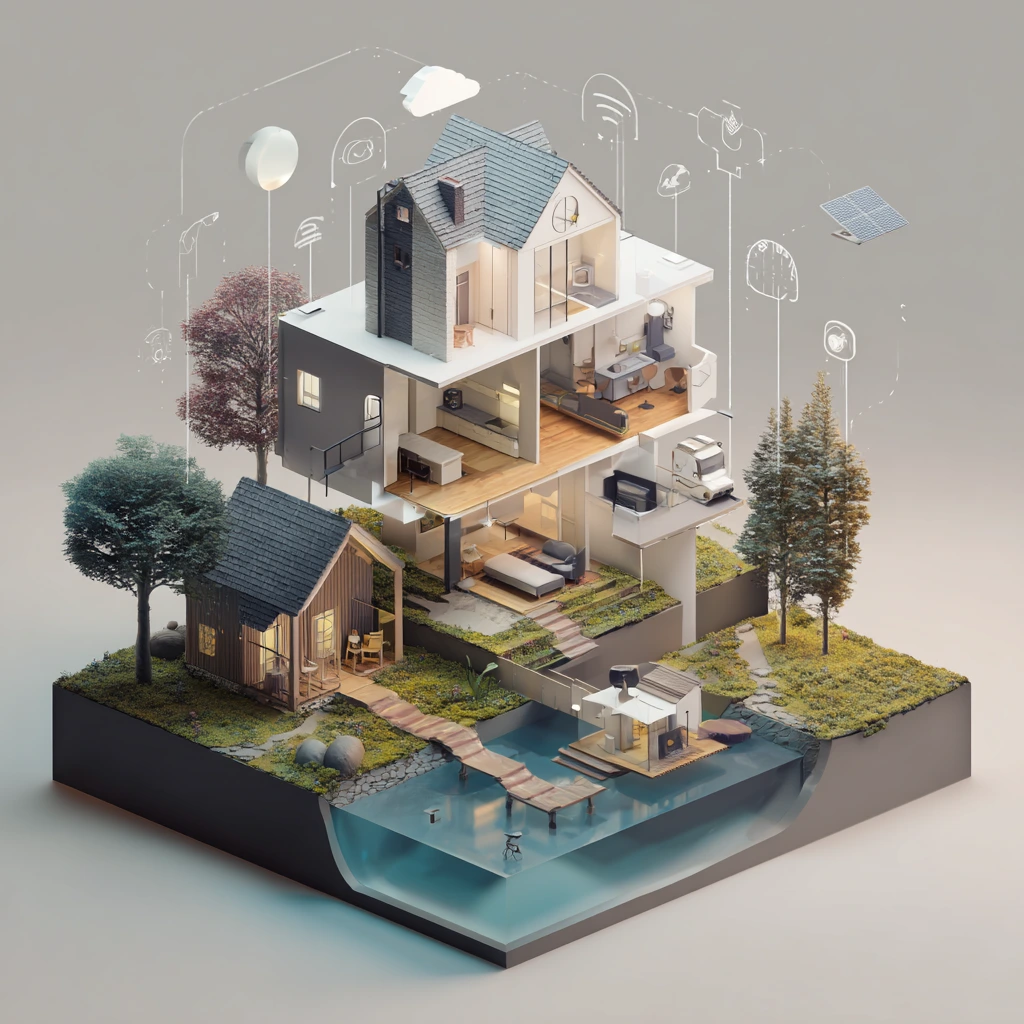
As climate change and rising energy costs dominate global concerns, sustainability will be a cornerstone of smart home innovation. Already, smart thermostats, energy-efficient lighting, and connected appliances are helping households reduce energy consumption. In the coming years, these technologies will evolve into fully integrated ecosystems designed to minimize waste and maximize efficiency.
For example, future homes may feature real-time energy monitoring that provides insights into how much electricity is being used and where it can be saved. AI-driven systems could automatically shift energy usage to off-peak hours, when costs and carbon emissions are lower. Some homes may even act as “prosumers,” generating their own renewable power via solar panels or small-scale wind turbines and feeding excess energy back into the grid.
Water conservation will also be an important focus. Smart irrigation systems and water-monitoring devices will optimize usage, ensuring gardens thrive without wasting precious resources. The sustainable smart home of the future won’t just lower bills — it will play an active role in building a greener planet.
AI as the Heart of the Smart Home
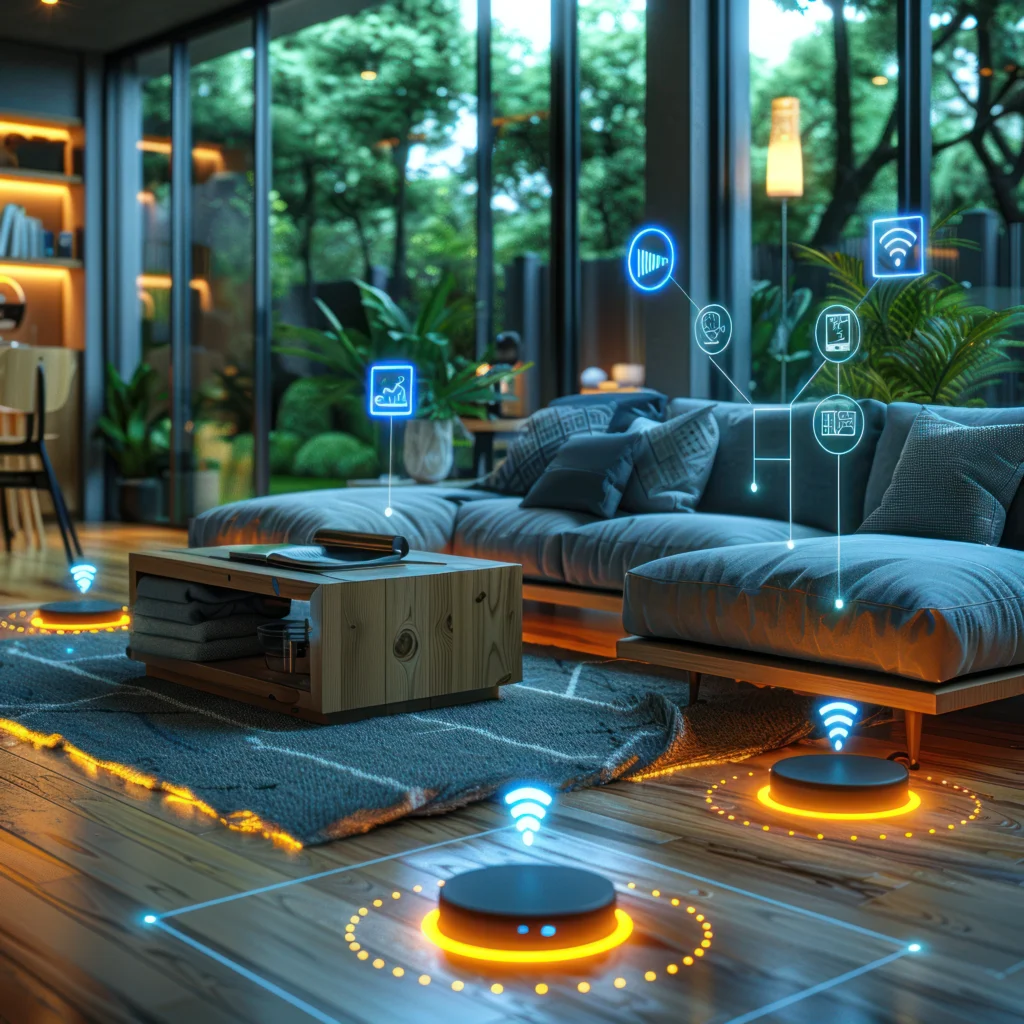
Artificial intelligence is poised to be the beating heart of tomorrow’s smart homes. Unlike today’s systems, which largely respond to user commands, AI will enable homes to learn, predict, and adapt to the needs of their inhabitants.
Imagine waking up in a home where the blinds open automatically at the optimal time based on your sleep cycle, the coffee machine starts brewing because it knows your routine, and your virtual assistant has already adjusted your day’s schedule based on traffic and weather. This level of personalization will be powered by machine learning, analyzing data from your daily habits and external conditions.
AI will also revolutionize kitchens, bathrooms, and living spaces. In the kitchen, AI could suggest recipes that align with your dietary goals, order missing groceries, and even guide you through preparation with step-by-step instructions. In bathrooms, smart mirrors might analyze skin health or detect early signs of medical issues. The living room could transform into a personalized entertainment hub, automatically curating music, shows, or games to match your mood.
The ultimate goal: homes that feel less like machines and more like attentive companions.
Security and Privacy in a Connected World
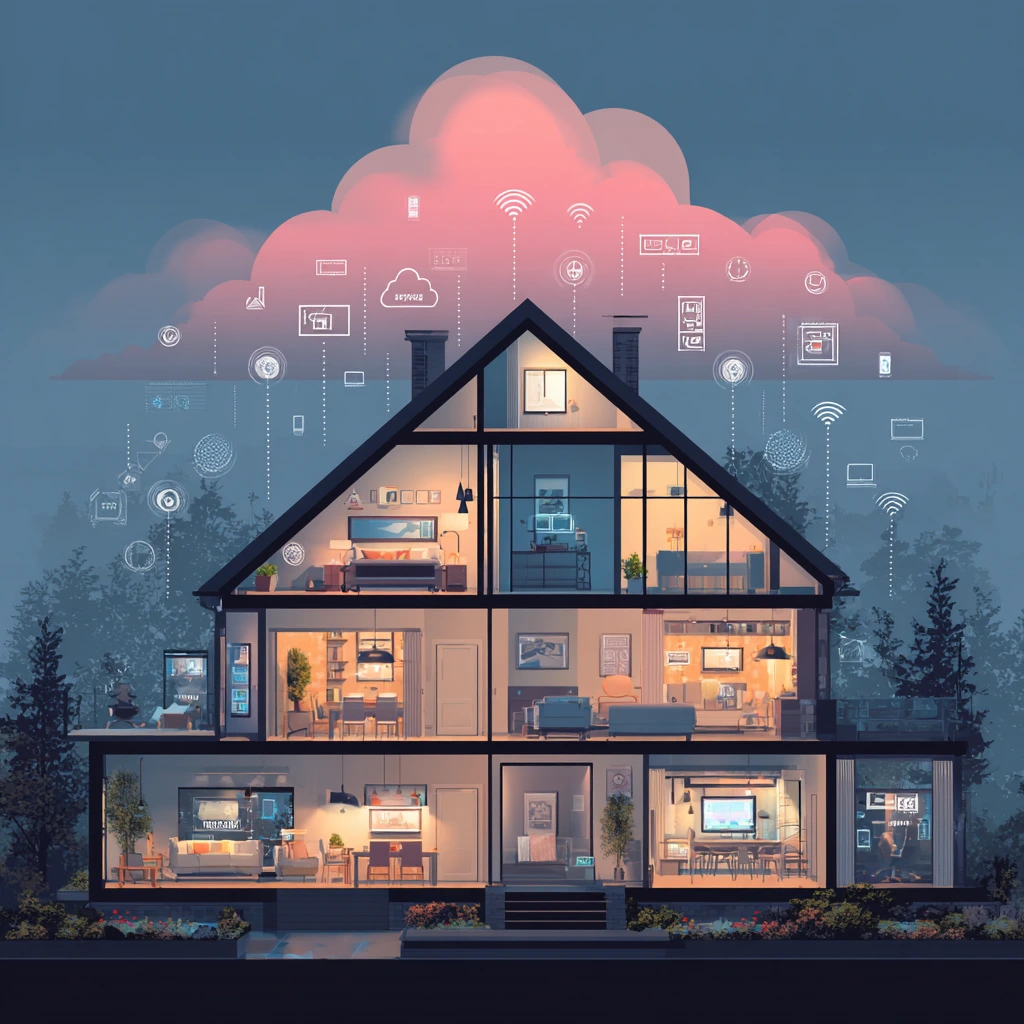
The rise of connected homes also brings challenges — particularly around cybersecurity and privacy. With more devices linked to the internet, hackers have more potential entry points. Future smart homes will need robust, layered defenses to ensure that convenience doesn’t come at the expense of safety.
Biometric security, such as facial recognition or fingerprint access, will likely replace traditional keys. AI-powered surveillance systems will not only monitor activity but also recognize unusual patterns, alerting homeowners or authorities in real time. For example, if someone attempts to access your home at an unusual hour, the system could immediately lock down entry points and send an alert.
Equally important will be the handling of personal data. Future homes will generate vast amounts of information about our daily lives — from sleeping patterns to financial transactions. To protect users, companies will need to prioritize data encryption, transparent privacy policies, and user control over data sharing. Striking the right balance between seamless functionality and privacy will be key to building trust in smart home ecosystems.

Beyond Convenience: Wellness and Lifestyle Integration
The next frontier of smart homes isn’t just about making life easier; it’s about making life healthier and more fulfilling. Wellness-focused technologies are set to redefine how we experience our living spaces.
Air-quality sensors and filtration systems will help ensure that indoor environments are safe, detecting pollutants, allergens, or even harmful gases. Smart lighting will adapt throughout the day, supporting circadian rhythms to improve sleep quality and overall mood. Temperature and humidity controls will adjust to create ideal comfort zones for relaxation, productivity, or exercise.
Perhaps most exciting is the integration of healthcare into the home environment. Remote monitoring devices could track vital signs such as heart rate, blood pressure, or blood sugar levels, sending real-time updates to healthcare providers. Smart homes may even offer preventive care, identifying subtle changes in health data and suggesting doctor visits before symptoms become serious.
Wellness will also extend into lifestyle integration. Imagine a home gym that not only recommends workouts but also tracks performance and adjusts routines over time. Or a dining space where your home coordinates nutritional advice with meal planning and grocery deliveries. These innovations could turn smart homes into powerful allies in promoting long-term health and happiness.
Conclusion
The future of smart homes goes far beyond controlling lights or playing music with a voice command. We are entering an era where homes will be sustainable ecosystems, AI-powered companions, secure sanctuaries, and wellness hubs. As these technologies continue to advance, the line between home and lifestyle will blur, creating living spaces that adapt to our needs while helping us live healthier, greener, and more connected lives.
The smart home of tomorrow won’t just be a house filled with gadgets — it will be a partner in building a better, more sustainable future.
Table of Contents
https://www.investopedia.com/terms/s/smart-home.asp
https://www.trendsfocus.com/environmental-impact-of-e-waste-and-how-to/