
U.S. Representative Lauren Boebert is facing a new political controversy after a complaint was reportedly submitted to the House Ethics Committee accusing her of having inappropriate relationships with three congressional staff members.
The allegations have drawn national attention because they involve questions about workplace conduct, power dynamics, and the ethical responsibilities of elected officials. The complaint claims that Boebert had relationships with members of her congressional team while they were working under her authority, raising concerns about whether congressional rules were followed.
Boebert has denied the accusations and rejected the claims made against her, describing them as false and politically motivated. Her supporters have argued that the allegations should not be treated as facts without evidence, while critics say the claims deserve a serious review through the proper ethics process.
At this stage, no official finding of misconduct has been made. The allegations remain under dispute, and any conclusions would depend on the outcome of a formal review.
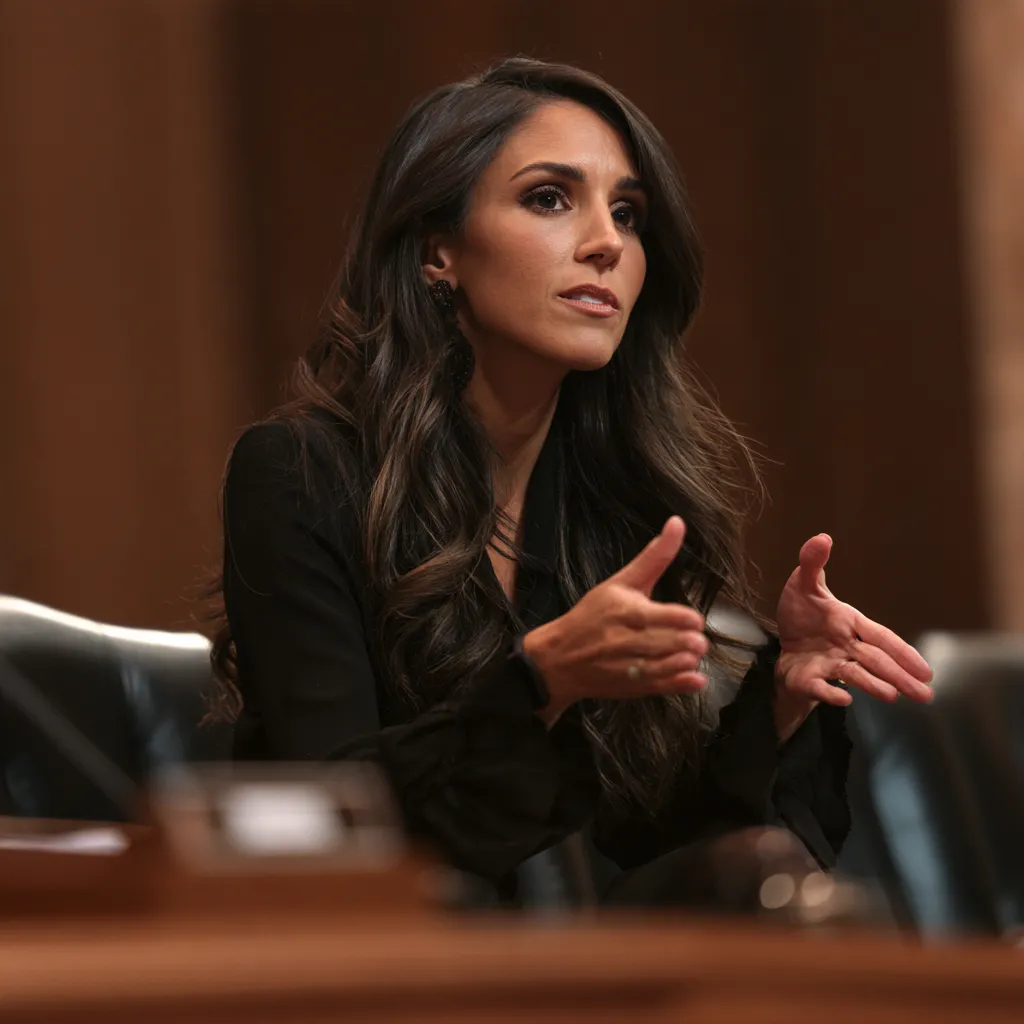
Lauren Boebert Accused in House Ethics Complaint Involving Congressional Staff
The controversy surrounding Lauren Boebert began after an ethics complaint accused the Colorado representative of engaging in relationships with multiple members of her congressional staff.
According to the allegations, the complaint involves three individuals who worked in Boebert’s office. The claims have raised questions about whether lawmakers should be allowed to have personal relationships with employees who report directly to them or whose careers may be influenced by their position.
The main issue behind the complaint is not simply personal relationships, but the potential conflict created when an elected official has authority over someone’s employment. Members of Congress have significant responsibilities, including managing staff, making employment decisions, and creating workplace environments.
Ethics rules in government offices are designed to protect employees and ensure that power differences do not create situations where staff members feel pressured or disadvantaged. Because of this, allegations involving lawmakers and their employees are often reviewed carefully.
The complaint also reportedly includes claims involving financial matters connected to a former staff member. However, these claims remain allegations and have not been proven through an official investigation.
Lauren Boebert’s team has pushed back against the accusations, arguing that the complaint is an attempt to harm her reputation. They maintain that the allegations are inaccurate and politically motivated.
The controversy has placed renewed attention on the standards expected from public officials and how ethical questions involving members of Congress should be handled.
What the Ethics Complaint Claims and Why It Has Become a Major Issue
The House Ethics Committee is responsible for reviewing allegations involving members of Congress and determining whether further action is needed.
An ethics complaint does not automatically mean that wrongdoing occurred. It is the beginning of a process where claims can be reviewed, evidence can be examined, and decisions can be made based on the available information.
The complaint against Boebert focuses on alleged relationships with staff members and whether those relationships could have violated workplace rules. The concern raised by critics is the difference in power between an elected representative and an employee working in their office.
Congressional staff members often depend on their positions for professional growth, recommendations, and career opportunities. Because lawmakers have authority over their employees, ethics standards are designed to prevent possible conflicts of interest or situations that could affect workplace fairness.
Supporters of stronger ethics enforcement argue that elected officials must follow strict standards because they represent the public and hold positions of significant responsibility. They believe transparency is important when questions arise about workplace conduct.
On the other hand, supporters of Boebert argue that accusations should be carefully examined before judgments are made. They point out that public figures can become targets of politically motivated claims and that evidence should determine the outcome.
The controversy has become another major moment in Boebert’s highly visible political career. Known for her outspoken conservative views and strong public presence, she has frequently attracted both support and criticism throughout her time in politics.
As the situation develops, attention remains focused on whether the ethics process will move forward and what information may emerge.
Lauren Boebert Responds to Allegations and Rejects Claims
Lauren Boebert has denied the accusations and rejected the claims made against her.
Her representatives have stated that the allegations are false and have questioned the motivation behind the complaint. They argue that the accusations are part of a political effort to damage her image and create controversy around her career.
Those defending Boebert have emphasized that no official decision has been made and that allegations alone should not be considered proof of misconduct.
The response from Boebert’s side has focused on the importance of due process and allowing the facts to be reviewed before reaching conclusions.
The controversy also comes during a period when elected officials across the country face increasing attention over workplace behavior and ethical standards. Public expectations around accountability and transparency have become stronger, especially when allegations involve people in positions of authority.
For Boebert, the accusations represent another challenge in a political career that has often placed her at the center of national discussions. Her supporters continue to defend her, while critics argue that the allegations require a thorough examination.
At this point, Boebert continues to deny wrongdoing, and the outcome depends on whether further review or investigation takes place.
What Happens Next in the House Ethics Process
The next stage of the controversy depends on how the House Ethics Committee handles the complaint.
The committee has the authority to review allegations involving lawmakers, request additional information, and decide whether further investigation is necessary. The process can involve examining documents, reviewing statements, and determining whether any congressional rules were violated.
Possible outcomes can vary depending on the evidence available. Some complaints may lead to further investigation, while others may be dismissed if there is not enough evidence to support the claims.
For now, the complaint against Lauren Boebert remains an allegation, and there has been no official finding that she violated House rules.
The situation continues to attract attention because ethics cases involving elected officials often become major public debates about responsibility, leadership, and trust in government institutions.
Regardless of the final outcome, the controversy highlights ongoing discussions about the standards expected from public officials and the importance of maintaining professional boundaries in government workplaces.
Lauren Boebert has denied the allegations, while the ethics process will determine whether any further action is taken.
Table of Contents
MAGA Star Lauren Boebert, 39, Addresses Explosive Lesbian Sex Claims
Hugh Jackman and Sutton Foster Face New Tension Over Ryan Reynolds – trendsfocus
1 thought on “Lauren Boebert Ethics Complaint: Latest Allegations and Response Explained”
Comments are closed.