
Trump’s Greenland
The United States, Denmark, and Greenland have reached a preliminary security agreement that could significantly expand the American military presence in the Arctic, President Donald Trump announced Friday. The announcement comes after months of tension over Trump’s push for greater U.S. control of Greenland and his repeated arguments that the island is essential to American national security.
The new arrangement, however, does not make Greenland part of the United States. Denmark and Greenland have emphasized that their sovereignty remains intact, while the United States would receive expanded and potentially permanent military access to the strategically important Arctic territory. The agreement is expected to be formally signed next week during the United Nations General Assembly, but additional parliamentary procedures are still required before it can take effect.
The deal could represent a major shift in Arctic defense policy. It would give Washington greater military access, including basing and overflight rights, while restricting potential military or sensitive economic activity by countries considered U.S. adversaries. At the same time, many details of the agreement have not yet been made public, leaving important questions about its legal scope and practical implementation.
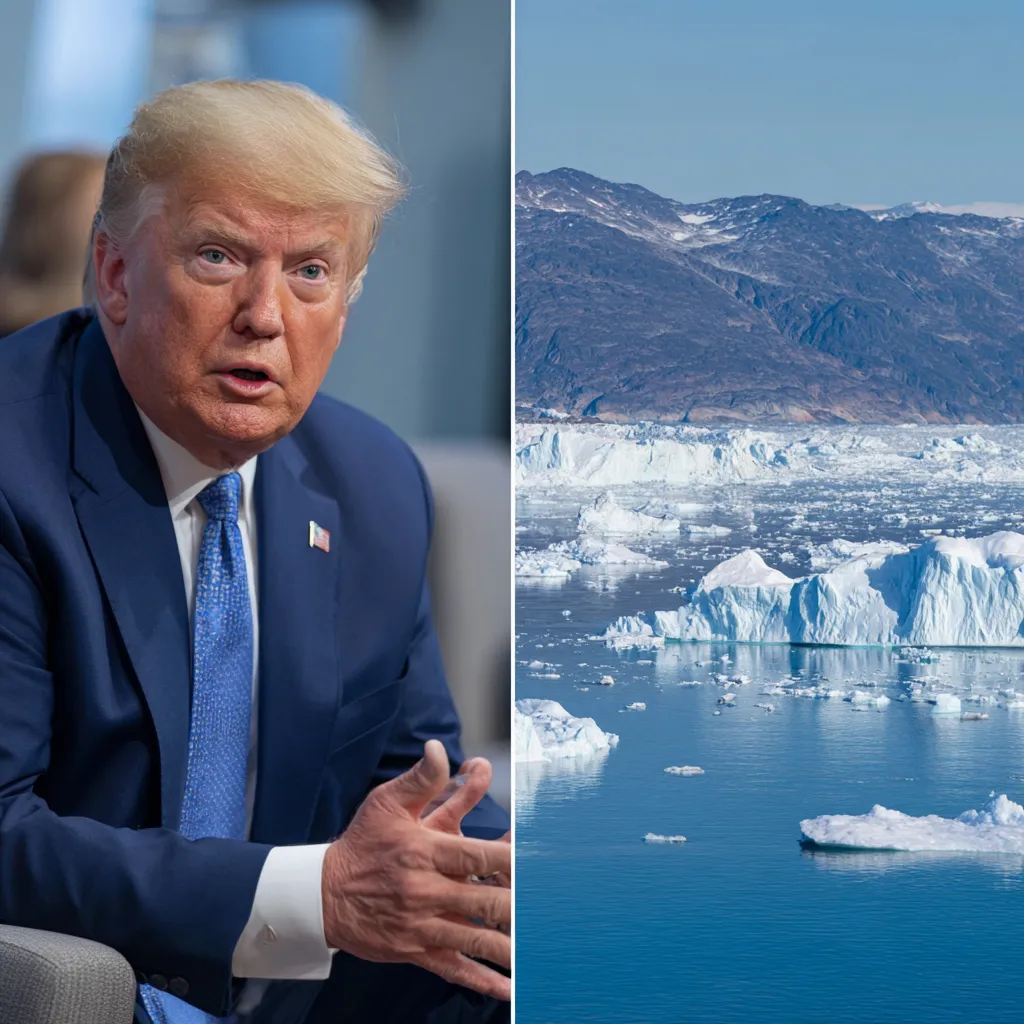
What the New Greenland Security Agreement Actually Does
Trump described the agreement as giving the United States “permanent control” over security and other needs in Greenland. U.S. officials have provided more specific information, saying the arrangement would guarantee Washington permanent access, basing, and overflight rights and allow the United States to expand its military footprint on the island.
That language is important because it does not mean the United States is acquiring Greenland.
Greenland remains a self-governing territory within the Kingdom of Denmark. Danish Prime Minister Mette Frederiksen said the emerging agreement recognizes the sovereignty and territorial integrity of the Danish Kingdom as well as the Greenlandic people’s right to self-determination. Greenlandic officials have likewise said the arrangement recognizes Greenland’s interests.
In practical terms, the agreement is focused on defense rather than ownership.
According to U.S. officials cited by ABC News, the United States would receive permanent access to Greenland, expanded basing possibilities, and overflight rights. The arrangement would also prevent U.S. adversaries from establishing military bases on the island or making certain sensitive investments without American approval.
The agreement is therefore different from Trump’s earlier calls for the United States to acquire Greenland.
For months, the president had argued that American ownership or control was necessary because of national security concerns. He had also refused to rule out military force when discussing the possibility of taking control of the territory.
The new agreement instead establishes a framework for a larger U.S. military role while leaving Greenland under Danish sovereignty.
That distinction is likely to remain central as the three governments move toward formally signing the deal.
Why Greenland Matters to U.S. National Security
Greenland’s importance comes largely from geography.
The enormous Arctic island sits between North America and Europe, making it strategically important for monitoring activity across the Arctic and North Atlantic. Its location also places it along potential routes involving Russian military activity and long-range missile threats.
The United States has recognized Greenland’s military value for decades.
During the Cold War, Washington maintained several military installations across the island. Although the American military presence was later reduced, the United States still operates Pituffik Space Base in northwestern Greenland.
The base plays an important role in missile warning, missile defense, and space surveillance missions. It is also part of the broader defense infrastructure supporting North American and NATO security.
The Arctic has become increasingly important as competition among major powers grows.
Russia has extensive military infrastructure and territory in the Arctic. China has also expanded its economic and strategic interest in the region, despite not being an Arctic territorial state.
For Washington, maintaining access to Greenland provides an important geographic position from which to monitor the Arctic and North Atlantic.
The Trump administration has repeatedly cited Russia and China when explaining its concerns about Greenland.
Under the emerging agreement, non-NATO countries would face restrictions on establishing military bases or maintaining certain sensitive investments in Greenland. U.S. officials have specifically said that China and Russia would be prevented from establishing military bases on the island.
The arrangement could therefore strengthen the U.S. position in the Arctic without requiring Washington to take formal ownership of Greenland.
The Agreement Comes After Months of Tension
The announcement follows one of the most unusual periods in recent U.S.-Danish relations.
After returning to the White House, Trump repeatedly said that the United States needed Greenland for national security. His administration explored ways to increase American control over the island, while Denmark and Greenland consistently rejected the idea that Greenland was available for sale.
Trump’s statements created tension with Denmark, which is a U.S. NATO ally.
The situation became particularly sensitive when Trump declined to rule out using military force to acquire Greenland. Danish and Greenlandic officials pushed back strongly, emphasizing the territory’s sovereignty and the right of Greenland’s people to determine their own future.
The diplomatic dispute also attracted wider European attention.
European governments expressed support for Denmark and Greenland, while NATO allies increased their focus on Arctic security. Earlier this month, the European Union announced additional financial support for Greenland, while NATO countries participated in Arctic military exercises designed to strengthen cooperation in the region.
Against that background, the new U.S.-Denmark-Greenland agreement represents a significant change in tone.
Rather than focusing on the transfer of Greenland, negotiations have shifted toward military cooperation and security guarantees.
Danish officials have responded cautiously but positively to the announcement.
Danish Foreign Minister Lars Løkke Rasmussen said Saturday that he hoped a period of uncertainty would be replaced by a binding agreement that strengthens security in the Arctic and North Atlantic while respecting Denmark’s stated red lines.
Greenland’s government has also indicated that an agreement is within reach.
However, the deal is not yet fully in force.
What Happens Next for the U.S., Denmark and Greenland?
The next stage will involve turning the announcement into a formal agreement.
Officials expect the United States, Denmark, and Greenland to sign the arrangement during the United Nations General Assembly next week in New York. After that, the agreement will still have to go through necessary parliamentary procedures in Denmark and Greenland before it can take effect.
That means the announcement is significant, but some of the most important questions remain unanswered.
The full text of the agreement has not been publicly released. As a result, it is still unclear exactly how much authority Washington would exercise over security operations in Greenland and how the new arrangement would interact with existing U.S.-Danish defense agreements.
The United States and Denmark already have a long-standing defense relationship covering Greenland.
A 1951 agreement established the legal framework for the American military presence on the island. The existing arrangement allows the United States to operate military facilities while recognizing Danish sovereignty over Greenland.
The new agreement appears designed to expand or reinforce those existing rights.
Another potentially important issue is Greenland’s future relationship with Denmark.
Greenland has its own government and has long had a political movement supporting greater autonomy and eventual independence. U.S. officials have indicated that the new security arrangement would preserve American access and military rights even if Greenland eventually becomes independent from Denmark.
That possibility makes the agreement particularly significant.
It could establish a long-term U.S. security relationship with Greenland that extends beyond the island’s current constitutional relationship with Denmark.
For now, however, Greenland remains within the Kingdom of Denmark, and officials in Copenhagen and Nuuk have made clear that the new arrangement does not change that status.
The agreement also raises broader questions about the future of Arctic defense.
As the region becomes more strategically important, the United States and its allies are likely to devote greater resources to surveillance, missile defense, military infrastructure, shipping security, and rapid-response capabilities.
Greenland’s geography makes it an important part of that equation.
The emerging agreement could give the United States greater flexibility to expand its military infrastructure while preventing potential rivals from establishing a comparable presence.
A Different Path From Trump’s Original Greenland Proposal
The latest development represents a significant departure from Trump’s original approach to Greenland.
Earlier in his administration, the focus was on whether the United States could acquire the territory. The current agreement instead centers on military access and security cooperation.
That difference matters.
Greenland is not being transferred to the United States, and Denmark continues to retain sovereignty. The Greenlandic people also retain their right to self-determination.
At the same time, Washington appears set to gain substantially greater security access to the island.
The result is an unusual compromise: Greenland remains Danish, but the United States would gain a much stronger and potentially permanent military role there.
Whether that framework ultimately resolves the political dispute will depend on the final agreement and how it is implemented.
For the United States, the deal could strengthen its position in the Arctic and provide greater control over a strategically located military environment.
For Denmark, it provides a path toward deeper American security involvement while maintaining sovereignty.
For Greenland, the key issue will be how expanded military activity affects its interests, autonomy, resources, and long-term political future.
The next few weeks should provide more clarity as the agreement moves toward formal signature and parliamentary review.
For now, the central fact is clear: Washington, Copenhagen, and Nuuk have moved from a confrontation over Greenland’s ownership toward a proposed security arrangement centered on an expanded U.S. military presence.
That shift could become one of the most consequential developments in Arctic security in 2026.
Table of Contents
Trump strikes Greenland deal with Denmark after threatening annexation | CNN Politics
Trump’s Greenland Controversy:Fallout for 2026 – trendsfocus