
The race to determine who will become the next White House press secretary has become a major focus in Washington following the official departure of Karoline Leavitt from the role. After leaving her position, Leavitt opened the door for a new administration spokesperson, triggering speculation over who could become the next public face of the Trump White House.
Leavitt’s departure represents a significant change for the administration’s communications team. During her time as press secretary, she became one of the most recognizable figures in the White House, regularly defending President Donald Trump’s policies and addressing questions from journalists on major national issues.
Among the first names linked to the position was Alina Habba, a former attorney for Donald Trump and one of his closest public defenders. Her strong relationship with the president, media experience, and direct communication style made her a potential candidate in the eyes of many political observers.
However, Habba has now removed herself from consideration, stating that she is not seeking the position. Her decision has changed the dynamics of the search and shifted attention toward other possible candidates, including political commentator Scott Jennings and White House Deputy Press Secretary Anna Kelly.
As the administration looks for Leavitt’s replacement, the choice will be closely watched. The next press secretary will play a crucial role in shaping the White House message, defending policy decisions, and managing communication during a highly divided political climate.
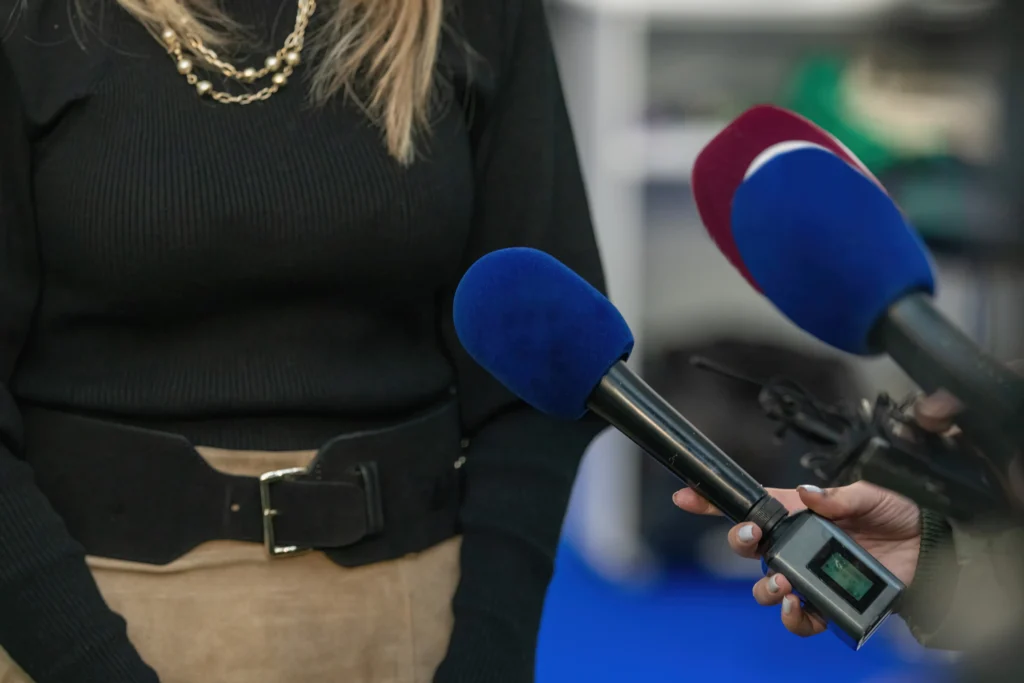
The White House Searches for a New Press Secretary After Karoline Leavitt’s Departure
Karoline Leavitt’s exit marks an important transition for Donald Trump’s communications team. She had become one of the administration’s most visible representatives, appearing regularly at White House briefings and responding to questions from reporters on political, economic, and international issues.
Leavitt’s decision to leave the position was linked to her desire to spend more time with her family. Although she stepped away from the press secretary role, she is expected to remain an influential figure connected to the administration.
Her departure created an immediate challenge for the White House. The press secretary position is not simply a communication role; it is a central part of the administration’s political strategy.
The person behind the White House podium must explain government decisions, respond to criticism, manage media pressure, and maintain a consistent message across multiple platforms.
In today’s political environment, the role has become even more demanding. News cycles move quickly, social media amplifies every statement, and a single comment during a briefing can become a national headline within minutes.
The next press secretary will likely need to demonstrate strong communication skills, political loyalty, and the ability to defend the president’s agenda under intense scrutiny.
For the Trump administration, the appointment will also reveal its future communication strategy. The choice could indicate whether the White House wants a more media-focused approach or prefers someone already familiar with internal operations.
Alina Habba Ends Speculation About Taking the Role
Before withdrawing from consideration, Alina Habba had become one of the most discussed names in the search for Karoline Leavitt’s replacement.
Habba gained national attention through her role as Donald Trump’s personal attorney and through her frequent public appearances defending the president. Her outspoken style, confidence in media interviews, and close relationship with Trump made her a natural name for a position requiring strong public communication skills.
As rumors surrounding the position grew, prediction markets and political commentators began identifying Habba as one of the leading possibilities.
However, Habba decided to directly address the speculation. She stated publicly that she was not in the running for the job and rejected reports suggesting she was seeking a new position within the administration.
Her decision immediately changed the conversation around the race. A candidate who had been viewed as a possible favorite was suddenly removed from consideration, forcing observers to focus on other potential choices.
Although Habba will not become the next White House press secretary, the attention surrounding her shows the qualities many believe the administration values: loyalty, media confidence, and the ability to defend Trump’s political agenda.
Her brief appearance as a potential candidate also highlights the importance of personal trust and communication style when selecting someone for one of the most visible positions in American government.
Scott Jennings and Anna Kelly Become Leading Possibilities
With Alina Habba stepping aside, attention has shifted toward other individuals who could take over the White House press secretary role.
One of the names gaining momentum is Scott Jennings, a political commentator known for his television appearances and experience in political communication.
Jennings has built a reputation as an effective media communicator who can participate in political debates and defend conservative positions in challenging environments. His experience in front of cameras could be considered an advantage for a position that requires constant interaction with journalists.
A major part of the press secretary’s job involves responding quickly to difficult questions and presenting the administration’s message clearly. Jennings’ background in political discussions could make him an attractive option for a White House looking for a strong media presence.
However, moving from political commentary into the White House press office would also require adapting to the daily responsibilities of managing official government communication.
Another possible candidate is Anna Kelly, the current White House deputy press secretary.
Kelly has the advantage of already being part of the administration’s communication team. Her experience inside the White House gives her direct knowledge of the press office’s operations and the administration’s messaging strategy.
An internal promotion could provide continuity and allow the communications team to maintain stability after Leavitt’s departure.
Her familiarity with the administration could be an important factor, especially if the White House wants to avoid a lengthy transition period.
While Jennings and Kelly are among the most discussed names, the final decision will depend on several factors, including media experience, trust from President Trump, crisis management skills, and the ability to represent the administration effectively.
A Strategic Decision That Will Shape Trump’s Communication Strategy
The appointment of the next White House press secretary will be more than a simple personnel decision. The role has become a key part of how a presidential administration communicates with the American public.
The next press secretary will be responsible for handling major announcements, responding to political criticism, and presenting the administration’s position on important issues.
In an era dominated by social media and instant news coverage, the position requires someone who can react quickly while maintaining discipline and consistency.
The person chosen will also influence how the Trump administration interacts with the media. A candidate with a strong television background could signal a more aggressive public communication strategy, while an internal candidate could suggest a focus on continuity and stability.
For now, no official announcement has been made regarding Karoline Leavitt’s replacement. However, the competition has already attracted significant attention, with political observers closely watching the White House’s next move.
Alina Habba’s decision to step away has reshaped the race, leaving candidates like Scott Jennings and Anna Kelly among the names receiving the most attention.
Whoever takes the position will inherit one of the most challenging communication roles in American politics. The next White House press secretary will not only answer questions from reporters but also play a major role in shaping how the Trump administration’s message reaches the public.
Table of Contents
Natalie Harp’s Growing Role Around Trump Draws Eyes! – trendsfocus