
You may know the feeling of watching your rent increase while your apartment remains exactly the same. Perhaps you have searched for a new home, only to discover that even a small apartment costs far more than your budget allows. You may have watched friends, relatives, or longtime neighbors leave New York because they could no longer afford to stay.
For millions of residents, the housing crisis is not an abstract political debate. It affects where you live, how long you commute, how much money you have left after paying rent, and whether your children can grow up near their family and community.
New York City cannot solve this crisis through announcements alone. It needs apartments that move from planning documents to approved developments, from approved developments to construction sites, and from construction sites to occupied homes.
Mayor Zohran Mamdani is seeking to accelerate affordable housing construction in New York through public investment, city-owned land, shorter approval procedures, and reforms to the development process. His housing strategy sets an ambitious target: build 200,000 new affordable homes and preserve another 200,000 over the next decade.
Reaching that goal will not be simple. Construction costs remain high, public agencies face staffing and administrative challenges, and affordable developments often depend on complicated financing arrangements. However, the administration has introduced several programs intended to reduce delays and make better use of public property.
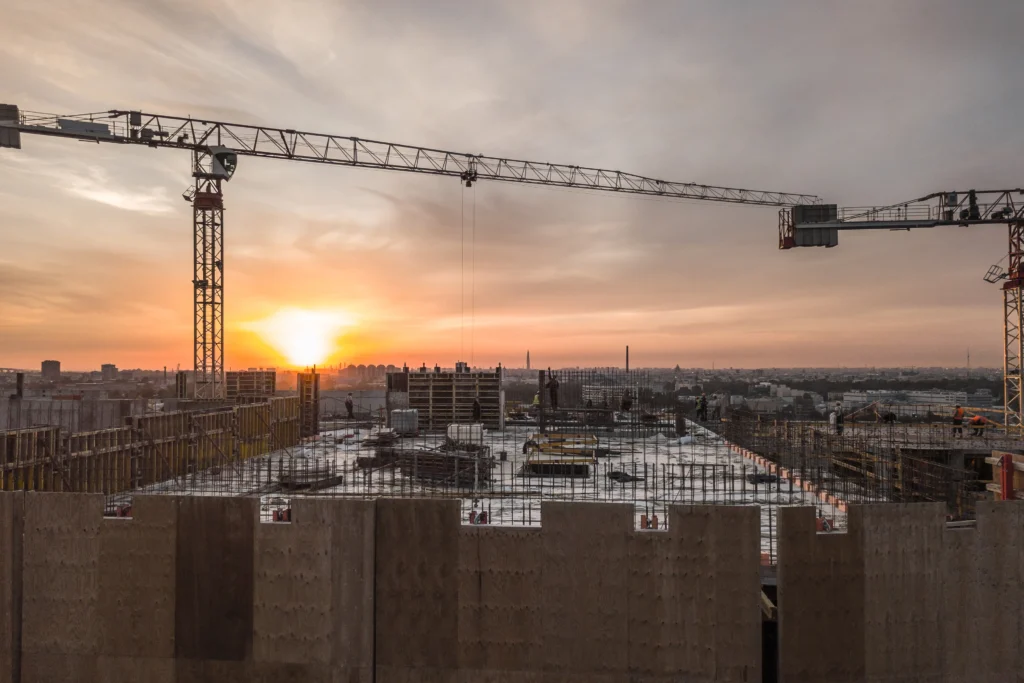
Why Affordable Housing Construction in New York Is Urgent
New York City has faced housing shortages for decades, but today’s rental market is exceptionally difficult for ordinary residents.
The city’s rental vacancy rate has fallen to historically low levels. That means very few apartments are available compared with the number of people searching for housing. The shortage becomes even more severe among lower-priced apartments, where competition is intense and renters have limited choices.
A low vacancy rate affects you even when you are not actively looking for a new home. When fewer apartments are available, landlords face less pressure to compete on price. Renters may feel forced to accept higher monthly payments, smaller living spaces, inconvenient locations, or poor housing conditions.
The consequences extend far beyond rent increases. A shortage of affordable housing can lead to:
- Families living in overcrowded apartments
- Workers moving farther away from their jobs
- Seniors struggling to remain in familiar neighborhoods
- Young adults postponing independent living
- Children changing schools because their families must relocate
- People staying in temporary shelters because permanent homes are unavailable
- Longtime residents being displaced from communities they helped build
Constructing more apartments will not immediately resolve every part of the crisis. New buildings take years to finance, approve, and complete. However, increasing the supply of homes—especially apartments with meaningful income restrictions—is an essential part of reducing pressure on renters.
The challenge is not simply deciding that more housing should be built. New York must also shorten the path between identifying a potential development site and handing a resident the keys.
What Mamdani’s Housing Plan Promises
Mamdani’s housing strategy combines new construction with preservation, tenant protections, public-housing investment, and affordable homeownership programs.
Its main goal is to create 200,000 new affordable homes and preserve 200,000 existing affordable homes over a ten-year period. The strategy also calls for stronger action against negligent landlords, additional support for public housing, and reforms intended to make housing agencies more efficient.
The city plans to support this agenda with billions of dollars in capital investment. That funding would be used to finance new affordable developments, repair existing buildings, preserve rent-restricted apartments, and improve New York City Housing Authority properties.
Why Construction and Preservation Must Work Together
You may wonder why the city intends to preserve as many homes as it plans to build. The reason is straightforward: building new apartments produces limited progress when existing affordable homes are disappearing at the same time.
A building can become less affordable when a regulatory agreement expires, operating costs rise, or major repairs are postponed. Other properties face financial distress, physical deterioration, or pressure to convert apartments into higher-priced housing.
Housing preservation may include:
- Financing repairs in aging apartment buildings
- Extending affordability agreements
- Rehabilitating vacant or unsafe apartments
- Stabilizing financially distressed properties
- Protecting public-housing units
- Supporting affordable cooperatives
- Helping lower-income homeowners remain in their properties
Preserving an existing building can sometimes be faster and less expensive than constructing an entirely new development. Mamdani’s approach therefore treats construction and preservation as connected parts of the same housing strategy.
How City-Owned Land Could Produce More Affordable Homes
Land is one of the most expensive and difficult elements of any New York housing project. When the city already owns a suitable property, it can reduce or eliminate the cost of purchasing the site.
That does not mean development becomes easy. Public land may contain an operating facility, require environmental cleanup, or need zoning changes before construction can begin. Some properties must also accommodate libraries, public offices, parks, or community services alongside housing.
Even with those complications, city-owned land offers an important opportunity.
Using a Public-Land Tracker
The administration has introduced a land-tracking initiative designed to identify city-owned properties that could support housing. The system maps potential development sites across the five boroughs and shows where each project stands in the planning process.
Some locations may be close to construction, while others remain in the early stages of evaluation or community engagement.
This distinction matters. A home displayed on a city development map is not necessarily approved, financed, or under construction.
When you follow the progress of a public-land project, look for clear milestones such as:
- Site identified
- Feasibility review completed
- Community engagement underway
- Developer solicitation issued
- Development team selected
- Land-use approval completed
- Financing closed
- Building permits issued
- Construction started
- Construction completed
- Apartments occupied
The city also plans to release additional public sites for affordable housing development each year. This could create a more predictable pipeline for developers, although actual construction will still depend on financing, approvals, and site conditions.
Combining Housing With Community Facilities
Some public sites could accommodate both affordable apartments and neighborhood facilities.
A redevelopment project might include housing above a new library, community center, social-service office, or workforce-training facility. Other developments could contain recreational areas, cultural spaces, health services, or public open space.
This model allows the city to make better use of limited land. Instead of asking a neighborhood to choose between a library and affordable housing, both may be included within the same development.
However, mixed-use public projects are often complicated. Several agencies may need to coordinate separate budgets, design standards, construction schedules, and operating responsibilities. Faster housing production will depend partly on whether the administration can reduce this bureaucratic friction.
How Prequalified Developers Could Shorten the Process
Selecting a developer for city-owned land can take many months. Traditionally, the city issues a detailed request for proposals, evaluates submissions, interviews development teams, and negotiates with the selected applicant.
A new fast-track program seeks to shorten that process by prequalifying affordable-housing developers before individual sites are offered.
Under this approach, the Department of Housing Preservation and Development evaluates developers in advance. Qualified organizations are then placed into a pool that can compete for eligible public projects through a shorter selection process.
The program is intended to:
- Reduce the time required to select developers
- Create clearer opportunities for nonprofit organizations
- Increase participation by minority- and women-owned businesses
- Lower proposal costs for smaller development teams
- Move public sites into active development more quickly
Why Prequalification Could Help Smaller Organizations
Long and uncertain selection procedures can be particularly difficult for nonprofit and smaller developers. These organizations may spend significant time and money preparing a proposal without knowing whether they will receive the project.
Prequalification does not remove every risk, but it can create a more direct route into the affordable-housing pipeline. It may also help the city build long-term relationships with developers that understand local neighborhoods, public financing, and affordability requirements.
However, faster selection is only useful when it is followed by faster financing, approval, and construction. Saving several months at the beginning of a project offers limited value when the development later remains stalled for years.
How Process Reforms Could Remove Housing Delays
Developer selection is only one stage of affordable housing construction in New York.
A project may also need environmental review, zoning approval, public hearings, financing commitments, building permits, inspections, utility coordination, and tenant-selection procedures.
Mamdani’s administration has proposed reforms covering four major stages:
- Planning and environmental review
- Predevelopment and financing
- Permitting and construction approvals
- Marketing, tenant selection, and lease-up
The goal is to reduce duplicate paperwork, improve coordination among agencies, establish clearer deadlines, and allow development teams to address problems earlier.
Reducing Delays Before Construction
A project can spend years in planning before construction begins. Developers may be waiting for land-use certification, agency comments, environmental studies, financing approvals, or building-design reviews.
During that time, costs continue to rise.
Architects, lawyers, engineers, consultants, insurance providers, and lenders may still need to be paid. Interest rates can change, construction materials can become more expensive, and the original financing package may no longer be workable.
A more coordinated process could help project teams resolve issues earlier rather than receiving conflicting requests from different agencies at different times.
Potential reforms include:
- Standardizing submission requirements
- Coordinating agency reviews
- Allowing certain reviews to happen at the same time
- Establishing firm response deadlines
- Improving digital application systems
- Reducing repetitive documentation
- Identifying zoning and environmental problems earlier
Moving Residents Into Completed Apartments Faster
Construction completion does not mean residents can immediately move into a building.
Income-restricted apartments must be advertised, applications must be reviewed, and household eligibility must be verified. These protections help ensure that homes reach qualified applicants, but the process can leave completed apartments empty for months.
Housing reforms are expected to improve the application and lease-up system by providing:
- Clearer instructions for applicants
- Better information about application status
- Fewer requests for duplicate documents
- Faster income-verification procedures
- More consistent communication
- A shorter period between building completion and move-in
For you as an applicant, an improved process could reduce uncertainty and make it easier to understand what documents are required.
Speed must not come at the expense of fairness. Applicants should continue to receive language support, adequate notice, and a meaningful opportunity to correct missing or misunderstood information.
Faster Land-Use Reviews for Qualifying Projects
Some affordable-housing developments require public land transfers, zoning changes, or other discretionary approvals. These proposals may need to pass through a lengthy public-review procedure.
A faster review route has been introduced for certain modest affordable-housing and climate-related projects. The goal is to shorten the approval timeline while maintaining public oversight.
Eligible developments may include smaller projects on public land, supportive housing, senior housing, or proposals that provide clear community benefits.
A shorter process could remove months from predevelopment. However, faster review must not mean that residents receive project information only after major decisions have been made.
Communities need clear answers about:
- Building height and design
- The number of apartments
- Household income requirements
- Public services included in the project
- Construction schedules
- Traffic and infrastructure effects
- Opportunities for local participation
A faster review should create a better-organized public process rather than eliminate meaningful community input.
Projects That Could Demonstrate the Strategy
Several developments are being advanced as examples of how the city’s approach may work. These projects are at different stages, so they should not all be described as completed or under construction.
Large-Scale Housing in Queens
One proposed development in Hunters Point could create nearly 1,000 homes on a long-vacant site. Plans also include community amenities.
Selecting a development team represents meaningful progress, but construction will still depend on final approvals, financing, and permits.
Large projects can make a significant contribution to the housing supply, but they also require careful planning. Transit access, schools, open space, utilities, and neighborhood services must be considered alongside the number of apartments.
Affordable Housing in the East Village
Another planned project would transform a former public parking site in Manhattan’s East Village into affordable housing.
The proposal shows how land previously used for vehicle storage can be repurposed to address the housing shortage. Because developable land is scarce, the city may increasingly examine parking lots, underused offices, and aging municipal buildings as potential housing sites.
Senior Housing in the Bronx
A Bronx project is expected to create more than 200 permanently affordable homes for seniors on a public-housing campus.
Senior housing is an important part of the affordability strategy. Many older residents live on fixed incomes and face difficulty absorbing rent increases. Accessible apartments can also help seniors remain independent and close to their existing support networks.
When a project reaches financial closing, it has passed a major milestone. The financing package has been finalized, allowing construction funds to be released. However, residents must still wait for construction, inspections, marketing, and lease-up.
Can Faster Construction Make Housing More Affordable?
Reducing approval time can lower some development expenses.
When a project remains in predevelopment, its team may continue paying for legal work, design services, engineering, insurance, security, and financing. Rising interest rates or construction prices can turn a workable proposal into an unaffordable one.
Faster approvals may provide several benefits:
- Lower carrying costs
- More predictable construction budgets
- Reduced exposure to interest-rate changes
- Earlier use of vacant public land
- Faster construction starts
- Greater stability for nonprofit developers
- Earlier occupancy after completion
However, faster approval does not automatically produce lower rents.
Affordable rents are normally shaped by household-income limits, public subsidies, financing terms, operating costs, and regulatory agreements. A shorter development timeline may help a project remain financially viable, but it does not determine which households qualify or how deeply affordable the apartments will be.
The Continuing Challenge of Construction Costs
New York remains one of the most expensive places in the country to build housing.
Major cost pressures include:
- Labor
- Construction materials
- Insurance
- Building-code requirements
- Utility relocation
- Environmental cleanup
- Elevator systems
- Site limitations
- Financing expenses
- Long approval timelines
Reducing unnecessary requirements could make housing easier to build, but reforms must not weaken fire safety, accessibility, structural standards, or basic living conditions.
The city must distinguish between rules that protect residents and procedures that add expense without providing a meaningful public benefit.
The Obstacles the Housing Plan Still Faces
Ambitious targets create a standard against which the administration can be judged. They do not guarantee that homes will be delivered.
Financing Challenges
Deeply affordable apartments generally cannot pay for their full construction and operating costs through rent alone.
Projects may require a combination of:
- City loans
- State or federal tax credits
- Private financing
- Rental assistance
- Discounted public land
- Property-tax benefits
- Grants and nonprofit investment
Changes in interest rates, federal funding, tax policy, or state programs can affect how many developments move forward. City Hall can improve local procedures, but many financial conditions remain outside the mayor’s direct control.
Agency Staffing
New procedures still require experienced employees to administer them.
The city needs enough project managers, underwriters, attorneys, architects, engineers, inspectors, and technology specialists to manage a larger housing pipeline.
When agencies are understaffed, applications sit unanswered, negotiations slow down, and experienced workers become overwhelmed. Hiring and retaining qualified staff will therefore be just as important as announcing new programs.
Community Trust
Residents may support affordable housing while raising legitimate questions about design, infrastructure, schools, transit, or income eligibility.
The administration will need to demonstrate that speed does not mean decisions are made behind closed doors.
Public trust can be strengthened through:
- Early community notification
- Accessible project documents
- Transparent affordability information
- Clear development schedules
- Public explanations of design changes
- Regular progress updates
- Opportunities for residents to ask questions
Community participation should help improve projects without allowing every proposal to remain trapped in an endless cycle of review.
How You Can Measure Whether Housing Construction Is Accelerating
Housing announcements often contain impressive numbers, but those totals may combine projects at very different stages.
To evaluate progress fairly, you should track completed milestones rather than headlines alone.
Look for annual information about:
- Public sites identified
- Developers selected
- Land-use applications approved
- Projects reaching financial closing
- Building permits issued
- Construction starts
- Apartments completed
- Apartments occupied
- Average cost per home
- Average development timeline
- Household income levels served
- Distribution across boroughs and neighborhoods
The language used to describe projects also matters.
A proposal that could create 500 homes is not the same as a financed development. A financed development is not the same as a completed building. A completed building is not fully successful until eligible residents have moved in.
You should look for precise descriptions such as:
- Proposed
- Under review
- Approved
- Financed
- Under construction
- Completed
- Occupied
Clear public reporting will make it easier to determine whether the housing pipeline is truly moving faster.
Frequently Asked Questions About Affordable Housing Construction in New York
What is Zohran Mamdani doing to accelerate affordable housing construction in New York?
His administration is seeking to use city-owned land, prequalify affordable-housing developers, shorten public reviews, coordinate permitting, improve financing procedures, and reduce the time required to move tenants into completed apartments.
How many affordable homes does Mamdani plan to build?
The housing strategy aims to build 200,000 new affordable homes and preserve 200,000 existing affordable homes over ten years. These are long-term targets rather than completed-unit totals.
How much faster could affordable housing construction in New York become?
The administration believes its reforms could remove several months from many affordable projects and potentially save much more time on developments requiring zoning or public-land approvals. Actual savings will depend on the project.
Are all affordable apartments intended for low-income residents?
Not necessarily. Affordable-housing developments may serve a range of incomes. Some apartments may be reserved for extremely low-income households, formerly homeless residents, seniors, or people receiving rental assistance. Others may serve low- or moderate-income households.
You should review the published income requirements for each development.
When can you apply for new affordable apartments?
Applications normally open closer to the completion of construction. Most city-supported rental opportunities are advertised through the city’s affordable-housing application system.
A project that has only been announced may still be several years away from accepting applications.
Will faster reviews eliminate community input?
A shorter review process does not automatically eliminate public participation. The quality of that participation will depend on how early residents receive information, whether meetings are accessible, and how agencies respond to community concerns.
Conclusion: New Yorkers Will Judge the Plan by the Homes It Delivers
Mamdani’s housing strategy recognizes a basic truth: time is part of the cost of housing.
Every unnecessary month spent waiting for an agency decision can increase financing expenses. Every year that public land remains unused delays homes for families who need them. Every completed apartment that sits vacant during a lengthy application process represents an opportunity lost.
The administration has established ambitious goals, committed major public investment, and introduced programs intended to address specific bottlenecks. Those steps may improve affordable housing construction in New York, but the most difficult stage is execution.
You should expect transparent schedules, clear affordability details, and honest reporting about delays. Follow public housing projects in your neighborhood, attend community meetings, and ask elected officials whether announced developments have reached financing, construction, and occupancy.
Ultimately, affordable housing construction in New York will not be judged by the number of plans released or press conferences held. It will be judged by whether more New Yorkers can open the door to a stable home, pay a manageable rent, and remain in the communities they call their own.
What housing changes would make the greatest difference in your neighborhood? Share your experience, join the conversation, and follow local project updates so you can hold city leaders accountable for turning promises into homes.
Table of Contents
Zohran Mamdani Defends Affordable Grocery Stores – trendsfocus