
The conflict between the United States and Iran has entered another dangerous phase, raising fears that the fighting could expand beyond the Middle East. Against this increasingly unstable background, U.S. President Donald Trump has issued a warning to China and Russia, urging both countries to remain outside the war and avoid supplying military equipment to Tehran.
Trump said he had received assurances from Chinese President Xi Jinping and Russian President Vladimir Putin that neither country would sell weapons to Iran. According to the U.S. president, those commitments suggest that Beijing and Moscow are not currently participating directly in the conflict.
However, Trump also made it clear that any change in their position could carry serious consequences. He warned that helping Iran militarily would be damaging to both China and Russia and would not serve their strategic interests. The statement reflects Washington’s concern that foreign weapons, intelligence or technical assistance could strengthen Iran’s ability to continue attacking U.S. forces, commercial vessels and regional targets.
The warning is significant because China and Russia are not minor players in the international system. Both are permanent members of the United Nations Security Council, major military powers and important economic partners of Iran. Their involvement could alter the balance of the conflict and increase the possibility of a confrontation involving several nuclear-armed states.
As diplomatic contacts continue and military operations intensify, Trump’s statement appears designed to draw a clear boundary around the conflict: Iran may have international partners, but Washington does not want those relationships to develop into direct wartime assistance.
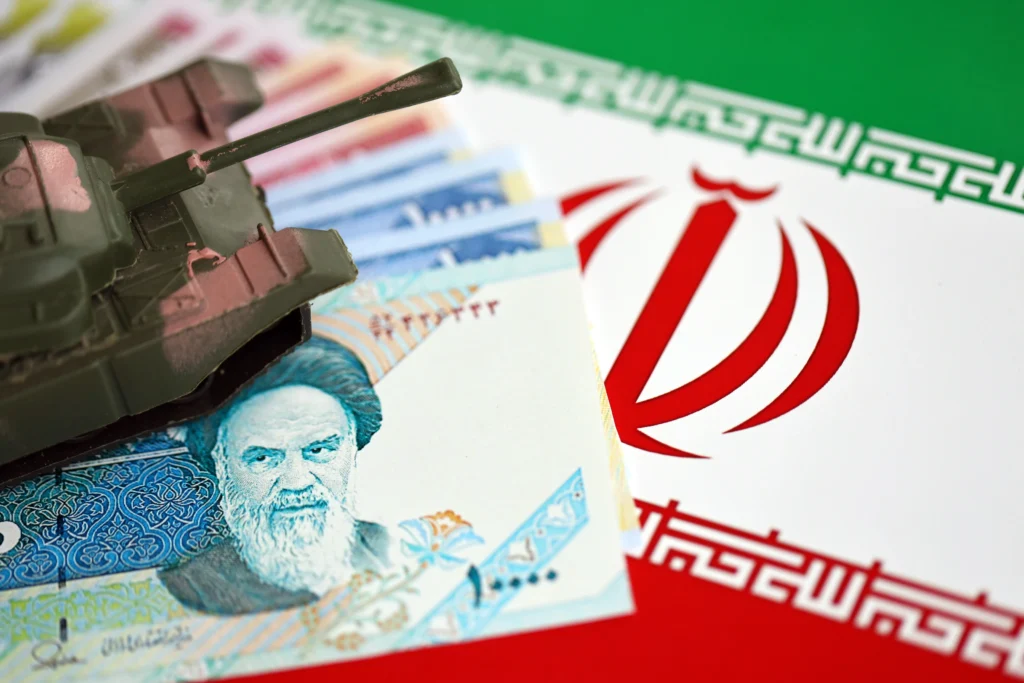
What Trump Said About China and Russia
In a post published on Truth Social on July 24, 2026, Trump addressed growing speculation about whether China or Russia might provide weapons to Iran. He said President Xi had personally assured him during a recent meeting that China would not sell arms to Tehran. Trump indicated that the commitment covered not only the Chinese government but also private Chinese companies that might otherwise become involved in weapons transfers.
Trump also said Putin had offered a similar assurance that Russia would not arm Iran. On the basis of those conversations, the U.S. president said he did not believe either China or Russia was currently participating in the war. He nevertheless warned that involvement would be “very bad for them” and against their interests.
The wording of the statement combined reassurance with pressure. Trump publicly accepted the promises he said he had received from Xi and Putin, but he also placed responsibility on both leaders to ensure that those promises are respected.
This matters because weapons assistance does not always take the form of an obvious government-to-government shipment. Military support can move through private businesses, intermediary companies, intelligence networks, technology suppliers or third countries. By specifically referring to Chinese companies, Trump appeared to be warning Beijing that Washington would hold it accountable for indirect assistance as well as official arms sales.
The United States has previously imposed sanctions on entities accused of helping Iran obtain weapons, components or military technology. Trump’s latest warning suggests that Washington could use additional economic restrictions if it finds evidence of Russian or Chinese support for Tehran.
The message also allows Trump to present himself as maintaining personal diplomatic channels with two of Washington’s most powerful rivals. By emphasizing his direct conversations with Xi and Putin, he is arguing that communication between leaders can prevent the conflict from becoming even larger.
Still, verbal assurances do not automatically remove the risks. Governments often define “military involvement” differently, and assistance can include far more than the direct sale of finished weapons. Satellite information, drone technology, missile components, cyber capabilities and targeting data could all influence the war without requiring China or Russia to send forces into Iran.
Why China and Russia Matter to Iran
China and Russia both have important relationships with Iran, although those relationships are shaped by different interests.
China is a major economic power with significant energy and commercial interests in the region. It depends heavily on stable international shipping routes and has strong reasons to prevent the war from disrupting oil supplies or damaging trade. A prolonged conflict around the Persian Gulf could increase energy costs, interrupt maritime commerce and create additional pressure on the global economy.
For Beijing, supporting Iran too openly could also create a direct confrontation with the United States. Such a confrontation could affect trade negotiations, sanctions policy and already difficult relations between the world’s two largest economies. China may therefore prefer to preserve its relationship with Tehran while avoiding actions that could trigger punitive measures from Washington.
Russia’s relationship with Iran has a stronger military and strategic dimension. Moscow and Tehran have cooperated in several areas, and both governments frequently oppose U.S. influence in international affairs. Iran is also important to Russia as a regional partner at a time when Moscow remains locked in confrontation with Western governments.
This has created concern in Washington that Russia could assist Iran through weapons supplies, intelligence sharing or technical expertise. Reuters reported that U.S. officials had examined whether Russian assistance may have contributed to Iranian targeting or drone capabilities, although the Kremlin declined to comment on those suspicions. No conclusive public evidence was presented in the report proving direct Russian participation.
That distinction is important. Trump’s warning should not be interpreted as confirmation that China or Russia has already entered the war. His own statement said the opposite: he currently believes they are not participating. The warning is intended to discourage future assistance and communicate the possible consequences before a larger confrontation develops.
Both Beijing and Moscow must now balance competing interests. They may want Iran to survive the conflict and resist U.S. pressure, but they also have reasons to avoid an uncontrolled war. Direct military support for Tehran could expose them to sanctions, damage diplomatic relations and increase the possibility of clashes with American forces.
Their calculations could change, however, if the war becomes longer, if Iran’s government appears to face an existential threat or if U.S. operations expand beyond their current objectives. International alliances often become harder to manage as conflicts intensify, largely because governments are astonishingly skilled at discovering new definitions for actions they previously promised not to take.
Iran War Escalation Threatens Regional and Global Security
Trump’s warning comes as U.S. military operations against Iran have expanded. According to reporting by the Associated Press, the United States has widened its campaign from attacks on naval and coastal defenses to strikes against military command sites, drone facilities, communications networks and infrastructure used to support Iranian operations.
Iran has responded with attacks on American interests and military facilities across the region. Tehran has also targeted shipping, increasing concerns about the security of commercial routes in and around the Strait of Hormuz.
The Strait of Hormuz is one of the world’s most strategically important waterways. It connects the Persian Gulf with the Gulf of Oman and the Arabian Sea, making it essential for international energy transportation. Any prolonged interruption could reduce oil shipments, push energy prices higher and affect businesses and consumers far beyond the Middle East.
This is one reason China has a particularly strong interest in preventing the conflict from worsening. Beijing may oppose U.S. policy toward Iran, but it also benefits from predictable energy markets and secure shipping lanes. An expanding war would place those priorities in conflict.
The domestic political debate inside the United States is also intensifying. On July 23, the U.S. House of Representatives passed a resolution seeking to require congressional approval for continued military action against Iran. Although the measure faced uncertain prospects and was described as largely symbolic, the vote reflected growing concern among lawmakers about the length, cost and objectives of the war.
The conflict originally began with joint U.S.-Israeli strikes in February 2026, followed by Iranian retaliation. A later ceasefire failed to create a lasting settlement, and hostilities resumed. Trump formally notified Congress that military action had restarted in July, presenting the operations as necessary to protect Americans and U.S. national security interests.
The possibility of Chinese or Russian involvement therefore arrives at a particularly dangerous moment. The war is already affecting several countries, military installations and trade routes. Additional foreign support for Iran could make the conflict more difficult to contain and reduce the chances of reaching a negotiated settlement.
Even limited assistance could have major consequences. More advanced air-defense equipment might make U.S. attacks harder. Better intelligence could improve Iran’s targeting capabilities. Additional drone or missile components could enable Tehran to sustain its operations for longer.
Washington’s warning is intended to prevent those possibilities from becoming reality.
What Trump’s Warning Could Mean for the Next Stage of the Conflict
Trump’s message to China and Russia has both military and diplomatic purposes.
Militarily, the warning seeks to isolate Iran and limit its access to weapons, technology and intelligence. If Tehran cannot quickly replace equipment destroyed during American attacks, its ability to maintain the conflict may weaken over time.
Diplomatically, the statement gives Xi and Putin an opportunity to remain outside the war without appearing to surrender to U.S. pressure. Trump publicly stated that he believed their assurances, allowing both leaders to maintain that they had independently chosen neutrality.
The warning may also establish a justification for future sanctions. Should Washington later identify a Chinese or Russian company involved in supplying Iran, the Trump administration could argue that the assistance violated assurances given at the highest level.
At the same time, the United States must avoid turning a warning into an accidental escalation. Public threats can deter other governments, but they can also create pressure on leaders who do not want to appear weak. China and Russia may resist any suggestion that Washington has the authority to determine their foreign relationships.
Much will depend on how each side defines prohibited assistance. Direct arms shipments would represent an obvious escalation. Commercial trade in dual-use technology would be more difficult to evaluate, particularly when equipment can have both civilian and military applications.
Another crucial factor will be the future of negotiations between Washington and Tehran. Trump has suggested that diplomatic discussions remain possible even as the United States continues military operations. His administration maintains that Iran must not be allowed to develop a nuclear weapon, while Iranian officials have continued to reject demands they view as attacks on the country’s sovereignty.
If negotiations produce a ceasefire or a broader agreement, the immediate importance of Trump’s warning may decline. If talks fail and the U.S. campaign expands, pressure on China and Russia to support Iran could increase.
For now, Trump says he believes both powers are staying out of the conflict. That position offers a limited degree of reassurance, but it is not a guarantee that the situation will remain stable.
The central question is no longer simply whether the United States and Iran can avoid further escalation. It is whether the conflict can remain contained while economic pressure, military strikes and competing alliances pull other major powers toward it.
Trump’s warning makes Washington’s position clear: any decision by China or Russia to arm Iran would be treated as a serious escalation. Whether Beijing and Moscow continue to honor their reported assurances could play a decisive role in determining whether the Iran war remains a regional conflict or develops into a far more dangerous international crisis.
Table of Contents
Trump Warns China, Russia Against Involvement in Iran War
Senate Panel Vote on Trump Nominees Delayed After Background Check Dispute – trendsfocus