
The debate over grooming standards in the U.S. military has returned to the spotlight after Defense Secretary Pete Hegseth called for stronger enforcement of existing beard regulations. The move reportedly followed recent Navy visits where Hegseth noticed sailors who appeared to be out of compliance with current appearance standards.
The issue has quickly become a broader discussion about military discipline, operational readiness, and the role of traditional standards in today’s armed forces. While supporters argue that strict grooming rules reinforce professionalism and accountability, critics say the focus on facial hair raises questions about priorities and flexibility within the military.
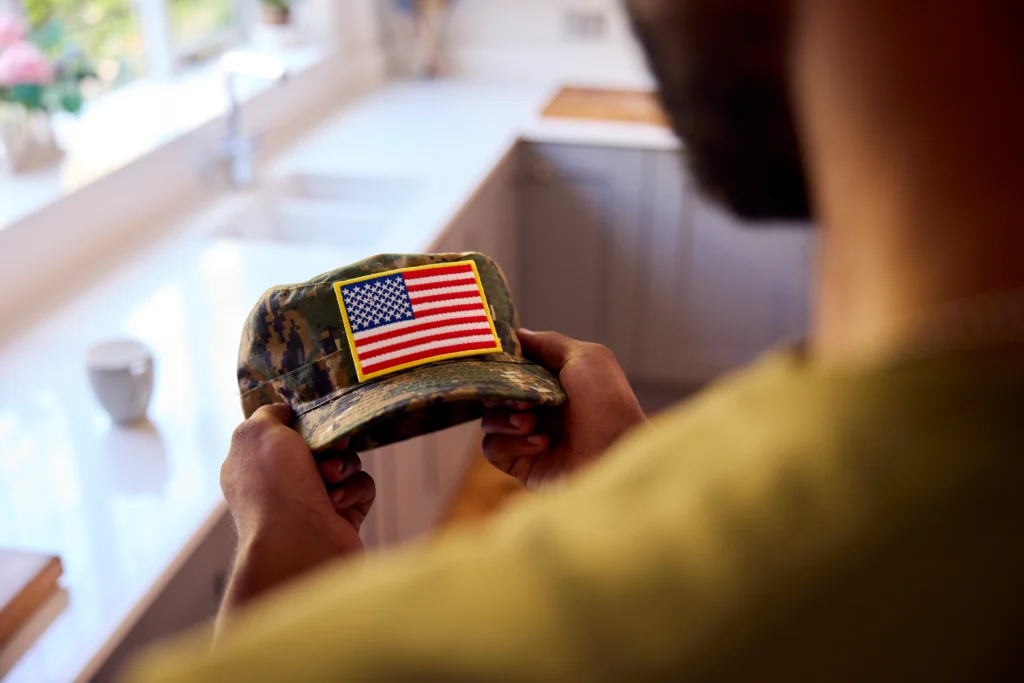
Pete Hegseth Targets Beard Policy Compliance During Navy Visits
According to reports, Hegseth raised concerns after seeing sailors who appeared to be wearing beards that did not meet Navy regulations during recent visits to naval facilities and ships.
The Defense Secretary’s reaction has led to renewed attention on how military branches enforce grooming policies. While the rules have existed for years, enforcement has varied depending on commanders, circumstances, and approved exceptions.
Military grooming regulations are designed to create a consistent appearance among service members while supporting safety requirements and maintaining a professional image. Under current policies, most service members are expected to remain clean-shaven unless they qualify for specific exemptions.
Hegseth’s push signals a desire for commanders to apply these standards more consistently across the force.
The Argument for Stricter Military Grooming Standards
Supporters of Hegseth’s position argue that military discipline begins with following established rules, including those related to appearance.
They believe that a professional military requires clear expectations and that allowing standards to become inconsistent could weaken the culture of accountability that defines the armed forces.
For advocates of stricter enforcement, the beard issue is not simply about facial hair. Instead, it represents a larger question about whether military members should maintain the same standards regardless of rank, assignment, or location.
They argue that visible discipline helps strengthen unity and reinforces the idea that service members represent the nation both on and off duty.
Safety and Readiness Remain Key Arguments
One of the main reasons historically given for strict shaving requirements is operational safety.
Military equipment, including certain protective masks and gear, may require a proper seal to function effectively. Supporters of strict grooming policies argue that maintaining shaving standards ensures troops remain prepared for situations where protective equipment is essential.
From this perspective, appearance regulations are connected to battlefield readiness rather than simply tradition or appearance.
Military leaders have long debated how to balance individual preferences with requirements that support mission effectiveness.
Critics Question the Focus on Beard Enforcement
The renewed attention on beard regulations has also generated criticism.
Opponents argue that military effectiveness depends far more on training, leadership, equipment, morale, and strategic preparation than on grooming standards.
Some critics believe the Pentagon should consider more flexibility, especially for service members dealing with medical issues related to shaving or those who qualify for religious accommodations.
They argue that modern military forces must adapt to changing realities while still maintaining professionalism and operational capability.
A Larger Debate About Military Culture
The controversy surrounding beards reflects a much broader discussion about the future identity of the U.S. military.
For supporters of Hegseth’s approach, restoring strict standards represents a return to traditional military values centered on discipline, order, and uniformity.
For critics, the issue highlights the challenge of balancing long-standing traditions with the needs of a modern military force that must recruit and retain talented personnel from diverse backgrounds.
The debate is not only about facial hair — it is about how the military defines professionalism in the 21st century.
What Comes Next for U.S. Military Grooming Policies?
As the Pentagon places renewed emphasis on enforcement, military commanders will likely face increased pressure to ensure grooming regulations are applied consistently.
The challenge will be maintaining clear standards while addressing legitimate concerns involving medical conditions, religious accommodations, and individual circumstances.
Although the beard debate may appear to be a minor issue, it has become a symbol of a much larger conversation about discipline, readiness, and the evolving culture of America’s armed forces.
As Pete Hegseth continues to emphasize traditional military standards, the discussion over grooming rules is likely to remain part of the wider debate about the direction and priorities of the U.S. military.
Table of Contents
Navy Identifies Cmdr. Gabriel Edwards After Arabian Sea Crash – trendsfocus