
US–Iran-Talks
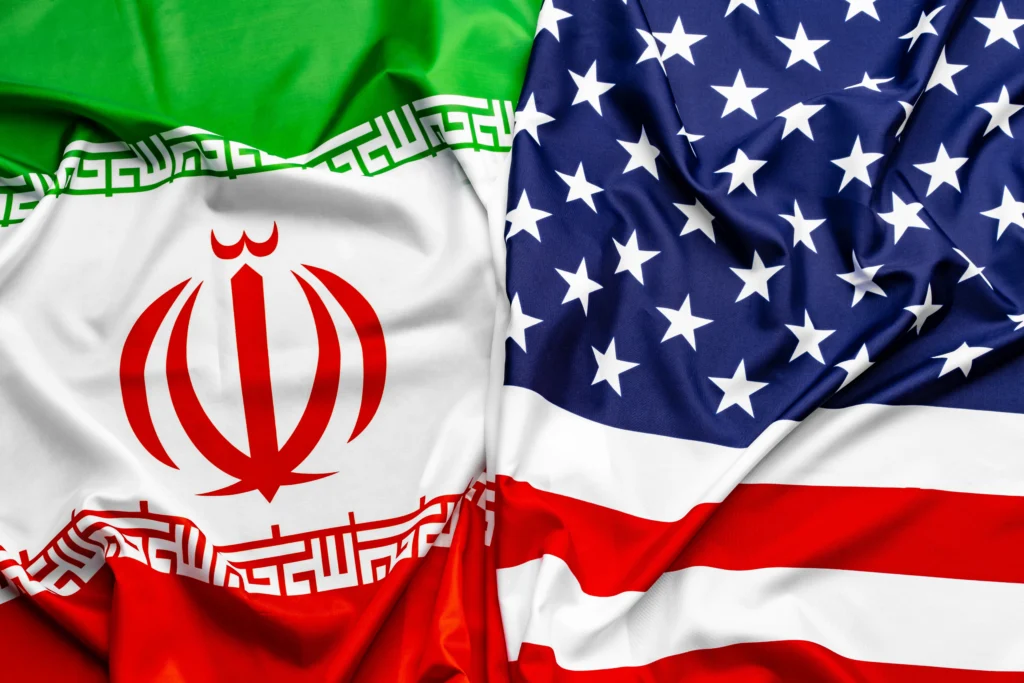
Talks between the United States and Iran began in Switzerland today, following the memorandum of understanding that was signed days ago. Vice president JD Vance arrived at the Swiss mountainside resort of Burgenstock early on Sunday to lead the US delegation. Mediators from Pakistan and Qatar are also in attendance.
Iran said that it planned to close the Strait of Hormuz after waves of Israeli strikes in Lebanon in a move that threatens to derail the fragile interim peace deal with the US. The Islamic Revolutionary Guard Corps warned ships not to approach the waterway, citing what it called Israeli crimes in Lebanon and a US violation of commitments to establish a ceasefire there.
JD Vance said “great progress” had been made during the talks, but did not go into detail about what steps forward had been taken. He said the technical negotiations may not solve every disagreement but “allow us to sit together as teams for the first time in history.”
Donald Trump issued further threats to Iran, posting to Truth Social: “Iran must immediately stop their highly paid PROXIES in Lebanon from causing trouble. If they don’t, we’ll hit Iran very hard again, just like we did last week, only harder!!!” He also told Fox News that he warned Iran against closing the Strait of Hormuz, telling Iranian officials “You close it and you won’t have a country.”
Iranian president Masoud Pezeshkian reiterated that Tehran was willing to provide assurances that the country was not seeking a nuclear weapon, while insisting that Iran would not relinquish its right to enrich uranium.
Israeli defense minister Israel Katz said in a statement that there was and is “no restriction” on Israeli soldiers to act to eliminate threats in Lebanon, and that troops would not withdraw from the security zone. Israeli prime minister Benjamin Netanyahu said that Israeli forces would remain in southern Lebanon “as long as necessary.”
Rafael Grossi, the chief of the International Atomic Energy Agency, said he has met Swiss foreign minister Ignazio Cassis in Burgenstock “to take stock of recent developments regarding Iran, the path ahead and the important role of the IAEA”.
Against this highly charged backdrop, the new round of negotiations highlights both the urgency and fragility of diplomacy in one of the world’s most volatile regions.

A High-Stakes Opening in the Swiss Mountains
The talks taking place in the Swiss alpine resort of Burgenstock represent one of the most sensitive diplomatic engagements in recent years between Washington and Tehran.
The presence of Vice President JD Vance signals the high priority given by the United States administration to stabilizing the situation. Switzerland, long known for its neutrality, once again serves as a critical venue for backchannel diplomacy.
Mediators from Pakistan and Qatar play a key role in maintaining communication between the delegations. Their involvement reflects a broader regional effort to prevent escalation at a moment when multiple conflicts are converging.
Despite the formal tone of the negotiations, the atmosphere remains tense due to parallel military developments in the region, particularly in Lebanon.
Strait of Hormuz Tensions and the Risk of Escalation
One of the most alarming developments surrounding the talks is Iran’s warning that it may close the Strait of Hormuz, a vital maritime passage through which a significant portion of global oil shipments pass.
The Islamic Revolutionary Guard Corps issued warnings to commercial vessels, linking its stance to escalating military actions in Lebanon. Such a move, if implemented, would have immediate global economic consequences, particularly for energy markets.
For Washington, any disruption in the Strait is considered a red line. Former President Donald Trump publicly warned Tehran of severe consequences if it proceeds with such actions, reinforcing the high level of tension surrounding the negotiations.
This maritime chokepoint has historically been a flashpoint in US–Iran relations, and its mention during ongoing talks underscores how quickly diplomacy can be undermined by regional instability.
Nuclear Program, Sanctions, and the Core Dispute
At the heart of the negotiations remains the long-standing dispute over Iran’s nuclear program.
The Iranian government, led by President Masoud Pezeshkian, reiterated that it does not seek nuclear weapons. However, Tehran continues to insist on its right to enrich uranium for peaceful purposes.
On the other side, the United States maintains that any agreement must include strict verification mechanisms to prevent potential weaponization. Sanctions relief remains a central bargaining tool, with Iran pushing for immediate economic easing in exchange for nuclear limitations.
This delicate balance between trust and enforcement remains the main obstacle to any durable agreement.
Regional Conflicts Complicating the Diplomatic Process
The situation in Lebanon has added another layer of complexity to the negotiations. Israeli officials, including Defense Minister Israel Katz and Prime Minister Benjamin Netanyahu, have stated that military operations in southern Lebanon will continue until they deem security threats neutralized.
These developments are closely tied to Iranian regional influence, particularly through allied groups operating in the region.
International observers, including the International Atomic Energy Agency (IAEA), led by Rafael Grossi, are closely monitoring the situation. Diplomatic coordination in Switzerland includes discussions on how to prevent regional conflicts from derailing nuclear negotiations.
The overlapping crises in Lebanon and the Gulf highlight how interconnected security challenges have become.
Can Diplomacy Still Prevail?
Despite the rising tensions, early statements from US officials suggest cautious optimism. JD Vance’s comment that “great progress” has been made indicates that technical-level discussions are moving forward, even if political disagreements remain unresolved.
However, the broader geopolitical environment continues to cast doubt on the sustainability of any agreement.
The involvement of multiple regional actors, combined with military threats and economic pressure, makes this one of the most complex diplomatic efforts in recent years.
Whether these talks lead to a breakthrough or another breakdown will depend on whether both sides can separate negotiation tables from battlefield realities.
Conclusion
The US–Iran talks in Switzerland represent a critical moment in international diplomacy. While both sides have expressed willingness to engage, the presence of escalating regional conflicts, nuclear disagreements, and economic pressure makes the path forward uncertain.
The coming days will determine whether this fragile diplomatic opening can evolve into meaningful progress—or whether it will become another missed opportunity in a long history of confrontation.
FAQ – US–Iran Talks
1. Why are the US and Iran meeting in Switzerland?
Switzerland provides a neutral diplomatic ground where both parties can negotiate with the support of mediators.
2. Who is leading the US delegation?
Vice President JD Vance is leading the American delegation in the current round of talks.
3. What is the Strait of Hormuz issue about?
Iran has threatened to close the Strait of Hormuz in response to regional tensions, which would severely impact global oil transport.
4. Is there progress in the negotiations?
US officials have stated that “great progress” has been made, but no concrete agreement has been announced yet.
5. What is the main point of disagreement?
The key dispute remains Iran’s nuclear program and uranium enrichment rights versus US demands for strict limitations and verification.
6. Could these talks fail?
Yes. Given ongoing regional conflicts and deep mistrust, the negotiations remain highly fragile and could collapse if tensions escalate further.
Table of Contents
Live updates: US-Iran talks in Switzerland; Trump threatens Tehran delegation | CNN
Trump Cancels Iran Strikes as Peace Talks Advance – trendsfocus