
The opening of the Obama Presidential Center in Chicago marked the culmination of years of planning, debate, fundraising, and community engagement. For former President Barack Obama and former First Lady Michelle Obama, the center represents more than a monument to a presidency. It is a reflection of the values that shaped their lives, their careers, and their vision for civic participation.
When the doors of the center officially opened, the moment was celebrated by political leaders, community members, and supporters from across the country. Yet the journey to that day began long before the ribbon-cutting ceremony. The project evolved through a decade of development that included site selection, design planning, public discussions, legal challenges, and ambitious efforts to create a new kind of presidential institution.
Understanding what preceded the opening provides valuable insight into why the Obama Presidential Center has attracted so much attention and why its founders believe it can become a lasting force for community development and civic engagement.
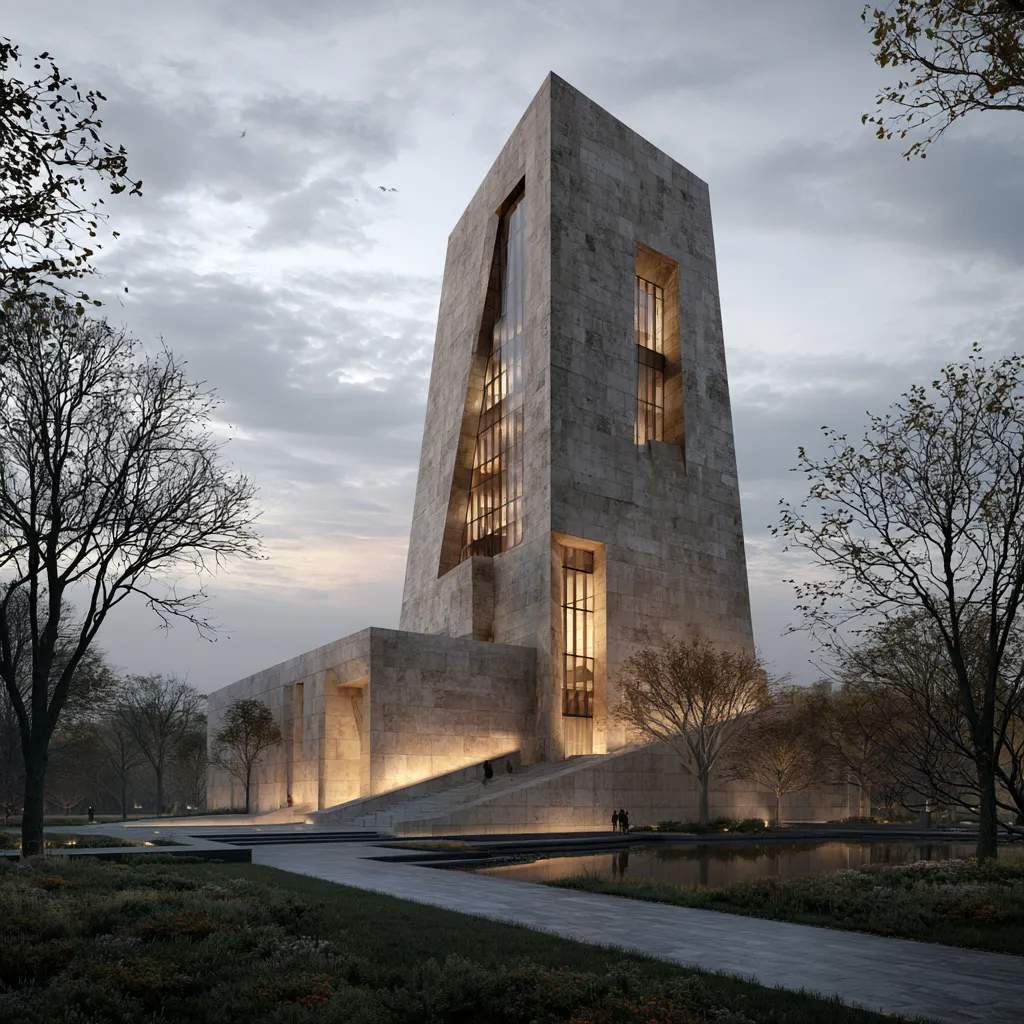
From the White House to a New Vision
When Barack Obama left office in January 2017, speculation immediately began about where his presidential library and center would be located. Traditionally, presidential libraries serve as archives and museums dedicated to preserving the legacy of former presidents. However, Obama and his team envisioned something different.
Rather than creating a facility focused solely on preserving documents and historical artifacts, the former president wanted a center that would actively engage the public. The goal was to create a space where people could gather, learn, discuss ideas, and participate in programs designed to strengthen democracy and civic involvement.
Chicago quickly emerged as the natural choice. The city played a defining role in Obama’s life and political career. Before becoming a U.S. senator and later president, Obama worked as a community organizer on Chicago’s South Side. It was there that he developed many of the ideas about public service and grassroots engagement that would later shape his political philosophy.
Michelle Obama also had deep roots in Chicago. The city was where the couple met, built their careers, and raised their family before moving to Washington, D.C. Choosing Chicago allowed them to establish the center in a community that had helped shape their personal and professional journeys.
As discussions progressed, planners emphasized that the project would not simply honor the Obama presidency. Instead, it would focus on inspiring future generations to become active citizens and community leaders.
Why Jackson Park Was Chosen
One of the most significant decisions in the development process involved selecting the location for the center. After considering multiple sites, planners chose Jackson Park on Chicago’s South Side.
The decision was symbolic as well as practical. Jackson Park sits near neighborhoods that were central to Obama’s early career as a community organizer. Supporters believed the location would allow the center to maintain a strong connection to local residents while attracting visitors from around the world.
The proposed campus would occupy approximately 19 acres and include several buildings, green spaces, public gathering areas, educational facilities, and recreational amenities. The vision extended beyond creating a museum. Organizers wanted the center to function as a living community resource.
Supporters argued that the project could stimulate economic development in surrounding neighborhoods. They pointed to potential benefits such as increased tourism, job creation, infrastructure improvements, and new business opportunities.
However, the site selection was not without controversy. Some community groups expressed concerns about environmental impacts, public land use, and potential changes to the character of the surrounding area. Debates over these issues became an important chapter in the center’s development.
Despite differing opinions, project leaders maintained that the center would provide long-term benefits for residents and help create new opportunities on Chicago’s South Side.
Years of Planning, Design, and Public Debate
Once the location was selected, the project entered a lengthy planning and design phase. Architects, urban planners, community leaders, and foundation officials worked together to shape the vision for the campus.
The design sought to break away from traditional presidential-library models. Instead of focusing exclusively on archival functions, planners emphasized accessibility, public engagement, and community use.
Proposed features included:
- A museum dedicated to the Obama presidency.
- Educational and leadership development programs.
- Community gathering spaces.
- Public gardens and green areas.
- A playground and recreational facilities.
- A recording studio for creative projects.
- A public library and learning resources.
Throughout the planning process, public meetings were held to gather feedback from residents. Community engagement became a central component of the project’s development strategy.
At the same time, legal and political challenges emerged. Critics questioned aspects of the land-use process and raised concerns about environmental reviews. Several lawsuits and regulatory reviews extended the timeline and generated national attention.
Project leaders responded by emphasizing transparency and community consultation. They argued that the center’s mission aligned with broader goals of public service, education, and neighborhood investment.
Despite occasional delays, construction moved forward as planners refined the design and secured necessary approvals. The lengthy process highlighted both the complexity of major public projects and the intense interest surrounding anything connected to a former U.S. president.
Building a Legacy Beyond a Presidential Library
Perhaps the most distinctive aspect of the Obama Presidential Center is the philosophy behind it. Long before the opening ceremony, Barack and Michelle Obama repeatedly emphasized that they did not want the center to serve merely as a repository of historical records.
Instead, they envisioned a place focused on action rather than remembrance alone.
The Obama Foundation developed programs aimed at leadership training, civic participation, and community development. These initiatives were designed to encourage young people to become involved in addressing social challenges and strengthening democratic institutions.
This approach reflected Obama’s background as a community organizer. Throughout his career, he often stressed the importance of local engagement and grassroots leadership. The center’s mission seeks to carry those ideas forward by providing resources, educational opportunities, and public programming.
The emphasis on community is evident throughout the campus design. Facilities such as recreational spaces, public gathering areas, and educational venues were incorporated specifically to encourage interaction and participation.
When the center finally opened, it represented the realization of a vision that had been developing for nearly a decade. The project was shaped by extensive planning, public debate, architectural innovation, and a commitment to creating opportunities for future generations.
For supporters, the opening symbolized more than the preservation of presidential history. It marked the beginning of a new chapter focused on civic engagement, leadership development, and community empowerment.
Conclusion
The opening of the Obama Presidential Center was the result of years of preparation and a vision that extended far beyond the traditional concept of a presidential library. From the decision to build in Chicago to the selection of Jackson Park, from public consultations to legal challenges, every stage of the process helped shape the final project.
For Barack and Michelle Obama, the center serves as both a tribute to the communities that influenced their lives and an investment in future generations. By combining historical exhibits with educational programs and community spaces, the center reflects a belief that leadership is not only about remembering the past but also about inspiring action in the present.
As visitors explore the campus in the years ahead, they will encounter not only the story of a presidency but also an ongoing effort to encourage civic participation, strengthen communities, and create opportunities for people to make a difference in the world around them.
Table of Contents
Social Security Trust Fund May Last Longer, Wharton Says – trendsfocus
Obama Center Opens in Chicago With a Call to Defend Democracy and a Celebrity Crowd