
Health experts across the United States are warning about a significant rise in norovirus cases, a highly contagious illness often referred to as the “vomiting virus.” The virus is one of the leading causes of gastroenteritis, an infection that affects the stomach and intestines and can result in sudden vomiting, diarrhea, nausea, and stomach cramps. Recent surveillance data has shown increased activity in many parts of the country, prompting public health officials to remind Americans about the importance of hygiene and prevention.
Although norovirus outbreaks occur every year, the latest surge has attracted widespread attention because of its rapid spread across multiple states. Schools, healthcare facilities, restaurants, nursing homes, and other community settings have reported cases, highlighting how quickly the virus can move through populations. While most people recover within a few days, the illness can be particularly dangerous for young children, older adults, and people with weakened immune systems.
As the virus continues to circulate, understanding how norovirus spreads, why cases are increasing, and what steps can be taken to prevent infection has become increasingly important. Here’s what you need to know about the latest outbreak and its impact across the United States.
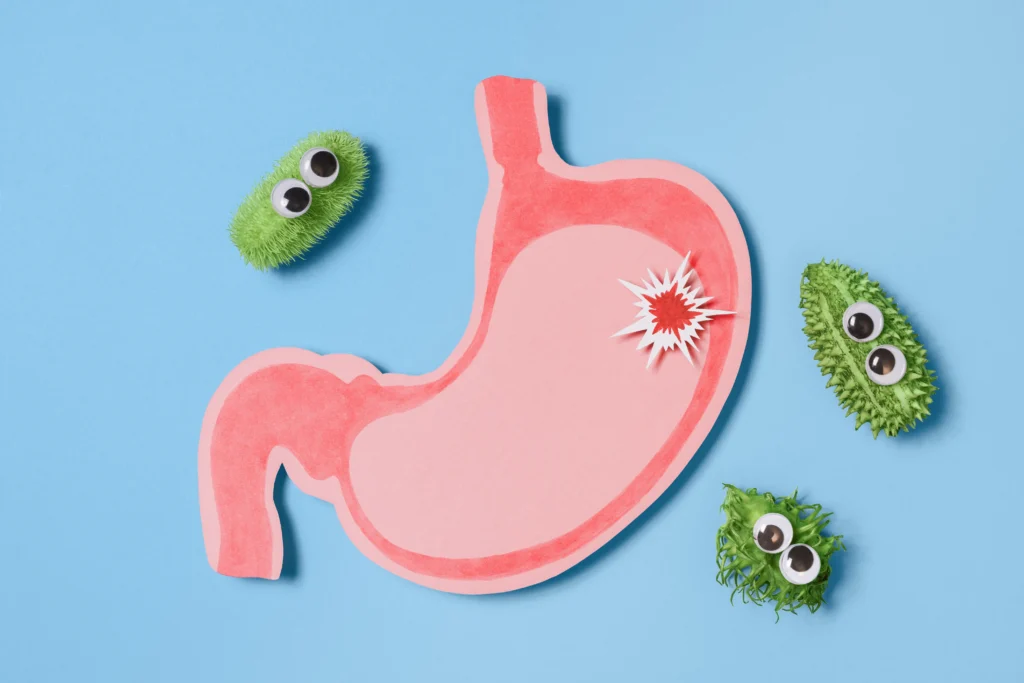
What Is Norovirus and Why Is It So Contagious?
Norovirus is a highly infectious virus that causes inflammation of the stomach and intestines, leading to symptoms commonly associated with food poisoning and stomach flu. Despite often being called the “stomach flu,” norovirus is not related to influenza. Instead, it is a separate virus that specifically targets the digestive system.
One of the reasons norovirus is so notorious is its ability to spread extremely easily. Health experts estimate that only a tiny number of viral particles are needed to infect another person. Once someone becomes infected, symptoms typically appear within 12 to 48 hours and may include:
- Sudden vomiting
- Watery diarrhea
- Nausea
- Stomach cramps
- Mild fever
- Muscle aches
- Headaches
- Fatigue
Most healthy adults recover within one to three days, but the illness can be unpleasant and disruptive. The greatest concern is dehydration caused by fluid loss through vomiting and diarrhea.
Norovirus is also resilient. Unlike some viruses that quickly die outside the body, norovirus can survive on surfaces for days and remains resistant to many common cleaning products. This durability contributes significantly to its ability to trigger widespread outbreaks.
Every year, norovirus causes millions of illnesses in the United States, resulting in thousands of hospitalizations and hundreds of deaths, particularly among vulnerable populations.
Why Are Cases Rising Across the United States?
Recent reports indicate that norovirus activity has increased across much of the country. Public health officials have identified several factors contributing to the surge.
One major reason is the emergence and circulation of multiple virus strains. Scientists have observed newer variants that may spread more efficiently among populations that have limited immunity. Because immunity to norovirus is temporary and strain-specific, people can become infected multiple times throughout their lives.
Seasonal patterns also play an important role. Norovirus traditionally becomes more active during colder months when people spend more time indoors and in close contact with others. Crowded environments create ideal conditions for transmission.
Increased travel and social gatherings may also contribute to outbreaks. Airports, hotels, restaurants, schools, and public events can all serve as environments where the virus spreads quickly from person to person.
Health experts have also used wastewater monitoring systems to track viral activity. Recent surveillance data has shown elevated levels of norovirus in numerous regions, suggesting that infections may be more widespread than official case reports indicate.
Because many people recover at home without seeking medical attention, the actual number of infections is often much higher than reported statistics suggest. As a result, public health officials continue to encourage preventive measures even when local outbreaks have not been formally announced.
How Does Norovirus Spread and Who Is Most at Risk?
Norovirus spreads through several different pathways, making it one of the most difficult viruses to contain. Understanding how transmission occurs can help individuals reduce their risk of infection.
Contaminated Food
One of the most common sources of norovirus outbreaks is contaminated food. Infected food handlers who prepare meals without proper hand hygiene can unknowingly spread the virus to dozens or even hundreds of people.
Foods frequently associated with outbreaks include:
- Leafy greens
- Fresh fruits
- Shellfish
- Ready-to-eat foods
- Salads
- Sandwiches
Person-to-Person Contact
Close contact with an infected individual significantly increases the risk of transmission. Caring for a sick family member, sharing utensils, or living in the same household can facilitate the spread of the virus.
Contaminated Surfaces
Norovirus can remain active on surfaces such as:
- Door handles
- Countertops
- Bathroom fixtures
- Kitchen equipment
- Shared electronics
Touching contaminated surfaces and then touching the mouth can lead to infection.
Airborne Particles
When an infected person vomits, tiny droplets containing viral particles can become airborne and settle on nearby surfaces. This phenomenon contributes to the rapid spread often observed in enclosed spaces.
Certain groups face a higher risk of complications:
- Infants and young children
- Adults over age 65
- Individuals with weakened immune systems
- Residents of nursing homes
- Hospital patients with underlying conditions
For these populations, severe dehydration may require medical intervention or hospitalization.
How Can People Protect Themselves During the Outbreak?
Although no specific antiviral treatment exists for norovirus, several preventive strategies can dramatically reduce the risk of infection.
Wash Hands Thoroughly
Handwashing remains the single most effective defense against norovirus. Soap and water are significantly more effective than hand sanitizer alone when it comes to removing viral particles.
Experts recommend washing hands:
- Before eating
- Before preparing food
- After using the bathroom
- After changing diapers
- After caring for a sick person
Clean and Disinfect Surfaces
Households should regularly disinfect high-touch surfaces, especially if someone in the home is ill. Bleach-based cleaning products are often recommended because norovirus can survive many standard disinfectants.
Practice Safe Food Handling
Food safety measures include:
- Washing produce thoroughly
- Cooking seafood completely
- Avoiding food preparation while sick
- Properly storing perishable foods
Stay Home When Sick
People experiencing symptoms should remain at home and avoid work, school, or public gatherings. Health officials generally recommend staying home for at least 48 hours after symptoms have completely resolved.
Stay Hydrated
Because dehydration is the most common complication, maintaining fluid intake is essential. Water, electrolyte drinks, and oral rehydration solutions can help replace lost fluids and minerals.
Medical attention should be sought if symptoms become severe or if signs of dehydration appear, including dizziness, dry mouth, decreased urination, or extreme fatigue.
What Public Health Officials Are Saying About the Current Situation
While the current increase in norovirus activity has raised concerns, health experts emphasize that outbreaks are a recurring part of the virus’s natural cycle. However, the widespread nature of the recent surge has prompted closer monitoring by public health agencies.
Officials continue to stress that prevention remains the best defense. Since norovirus spreads quickly and can affect people of all ages, community awareness is essential. Schools, healthcare facilities, restaurants, and businesses are being encouraged to reinforce sanitation practices and educate staff about proper hygiene.
Researchers are also continuing efforts to develop vaccines and improved treatments for norovirus. While progress has been made, no widely available vaccine currently exists. Until then, public health measures remain the most effective way to control outbreaks.
Conclusion
The recent spread of norovirus across much of the United States serves as a reminder of how quickly highly contagious illnesses can move through communities. Known as the “vomiting virus,” norovirus causes millions of infections every year and remains one of the most common causes of gastrointestinal illness worldwide.
Although most people recover within a few days, the virus can lead to serious complications for vulnerable individuals. Its ability to spread through food, surfaces, close contact, and even airborne particles from vomiting makes prevention especially important.
By practicing good hand hygiene, cleaning contaminated surfaces, handling food safely, and staying home when sick, individuals can significantly reduce their risk of infection. As health officials continue to monitor the situation, public awareness and preventive measures will remain key tools in limiting the impact of this latest norovirus surge.
Table of Contents
Glioblastoma Breakthroughs: New Hope in Brain Cancer Fight – trendsfocus