
Iran Peace Deal
In recent weeks, global attention has turned once again toward the long and complicated relationship between the United States and Iran. Reports of a potential peace deal framework have sparked intense debate among political analysts, journalists, and world leaders. Some sources suggest that progress has been made toward reducing tensions, while others insist that no real agreement is close to being finalized.
This mixed messaging has created confusion, speculation, and widespread discussion across international media. While diplomacy appears to be active, the truth is far more complex than simple headlines suggest. The situation is still developing, with both optimism and skepticism shaping how experts interpret the negotiations.
In this article, we break down what is currently known about the potential Iran peace deal, what each side is saying, and what could happen next in this high-stakes geopolitical process.
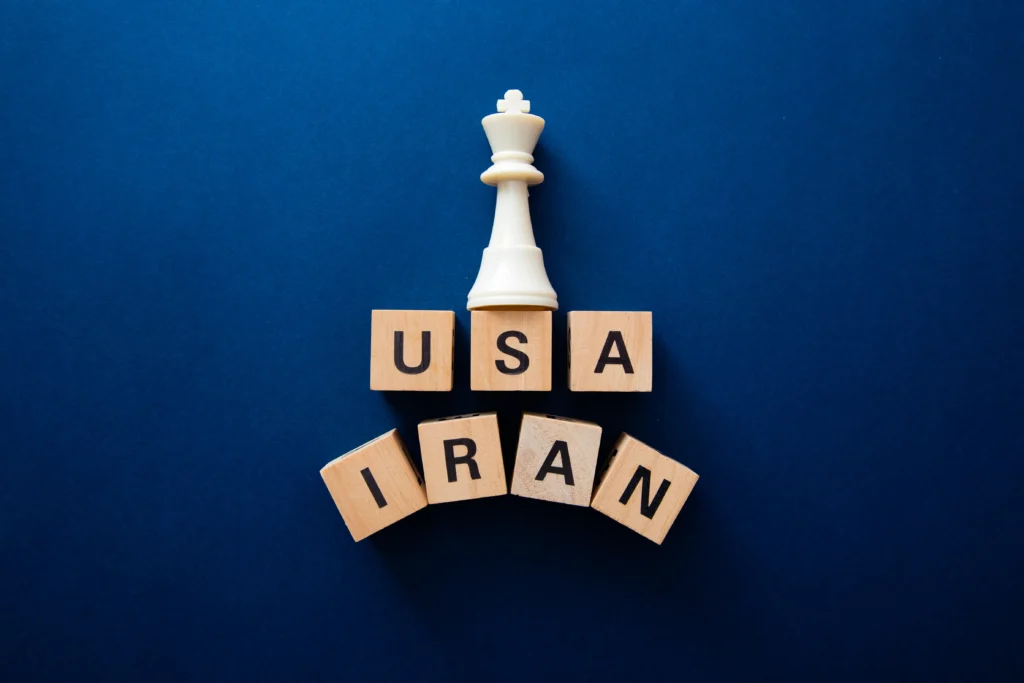
1. Background of U.S.–Iran Relations and Longstanding Tensions
To understand the current situation, it is important to look at the long and often tense history between the United States and Iran. Relations between the two countries have been strained for decades, shaped by political disagreements, economic sanctions, military tensions, and disputes over nuclear development.
One of the key turning points in recent history was the collapse of earlier nuclear agreements and the re-imposition of sanctions, which significantly impacted Iran’s economy. These sanctions targeted key sectors such as oil exports, banking systems, and international trade, leading to increased isolation for Iran in the global financial system.
Over time, diplomatic attempts have been made to rebuild trust and restart negotiations, but progress has often been slow and fragile. Both sides have accused each other of failing to fully comply with previous agreements, making future talks more complicated.
Today’s discussions are built on this complicated foundation. Any potential peace deal must address not only current issues but also years of mistrust and political tension.
2. What the “Potential Peace Deal” Reports Are Claiming
Recent media reports suggest that a framework agreement may have been discussed between U.S. representatives and Iranian officials. According to these claims, the outline of a possible deal includes steps aimed at reducing regional tensions and improving diplomatic communication.
Some of the reported elements include:
- Gradual easing of certain economic sanctions
- Increased diplomatic engagement between both nations
- Discussions on Iran’s nuclear program and enrichment levels
- Measures aimed at reducing military escalation in the region
- Potential reopening of strategic trade and shipping routes
Supporters of diplomatic engagement argue that even discussing these topics represents a significant step forward. They believe that structured negotiations could reduce the risk of conflict and stabilize energy markets, especially in regions like the Middle East that play a critical role in global oil supply.
However, it is important to note that these reports are not confirmed as a finalized agreement. They represent early-stage discussions and proposals rather than a signed peace deal.
3. Iran’s Response and Official Position on the Talks
While international media has reported optimism around a possible agreement, Iranian officials have taken a more cautious and skeptical stance. According to statements from Tehran, discussions are ongoing but remain far from a final resolution.
Iran has emphasized several key points:
- No official peace deal has been signed
- Major disagreements still exist in negotiations
- Nuclear policy remains a central point of contention
- Sanctions relief conditions are not yet agreed upon
- Security guarantees are still under discussion
Iranian leadership has repeatedly stated that while they are open to dialogue, they will not accept terms that they consider unfair or one-sided. This position reflects long-standing concerns about sovereignty, economic independence, and regional influence.
Because of this, Iran’s official message is clear: negotiations are active, but a final agreement is not yet in place. This directly contradicts some of the more optimistic media interpretations, highlighting the gap between political reporting and diplomatic reality.
4. Global Reactions, Risks, and What Could Happen Next
The possibility of renewed Iran–U.S. diplomacy has attracted strong reactions from around the world. Many countries see the talks as a positive development that could reduce tensions in a region often affected by conflict and instability.
Positive global outlook
Supporters of the negotiations argue that a successful deal could:
- Reduce the risk of military escalation
- Stabilize global oil prices
- Improve international trade conditions
- Strengthen diplomatic communication channels
Financial markets also tend to react positively to signs of stability in the Middle East, as energy supply concerns directly affect global pricing and inflation trends.
Ongoing risks and uncertainty
Despite the optimism, significant risks remain. The biggest challenges include:
- Deep mistrust between both sides
- Domestic political pressure in both countries
- Disagreements over nuclear restrictions
- Regional security conflicts involving allied nations
- Uncertainty about enforcement of any future agreement
Because of these challenges, many analysts describe the situation as fragile and unpredictable.
What could happen next?
There are several possible outcomes:
- A breakthrough agreement is reached after further negotiations
- Talks continue without reaching a final deal
- Negotiations collapse due to unresolved disputes
- A partial agreement is reached focusing on limited issues
At this stage, no outcome is guaranteed. The direction of the talks will depend heavily on political decisions made in the coming weeks and months.
Conclusion
The potential Iran peace deal represents one of the most closely watched diplomatic developments in the world today. While there are signs of movement toward negotiation, there is still no confirmed agreement between the United States and Iran.
What exists right now is a process—not a conclusion. Both sides continue to engage in discussions, but major disagreements remain unresolved. As a result, the situation remains fluid, uncertain, and highly sensitive.
For the international community, the stakes are extremely high. A successful agreement could reshape regional stability and global politics, while failure could maintain or even increase tensions.
For now, the world waits as diplomacy continues behind closed doors.
Table of Contents
Trump Under Fire for “United States of the Middle East” Image as Iran War Intensifies – trendsfocus