
When Your Mind Feels Too Loud
You know those moments when everything feels like it’s happening at once—your thoughts, your worries, your plans, your regrets? You sit down hoping for a bit of peace, but instead your mind keeps jumping from one thing to another.
Maybe you’ve tried to relax before, but it didn’t really “work.” You expected silence, or some instant calm, and when that didn’t happen, you assumed meditation just wasn’t for you.
But here’s the truth: meditation is not about stopping your thoughts. It’s about learning how to sit with them without getting pulled under.
That’s exactly where meditation techniques for beginners come in. They don’t ask you to be perfect. They don’t require experience. They simply give you tools to slow down, breathe, and reconnect with yourself—even in the middle of a chaotic life.
And the best part? You can start today, right where you are.
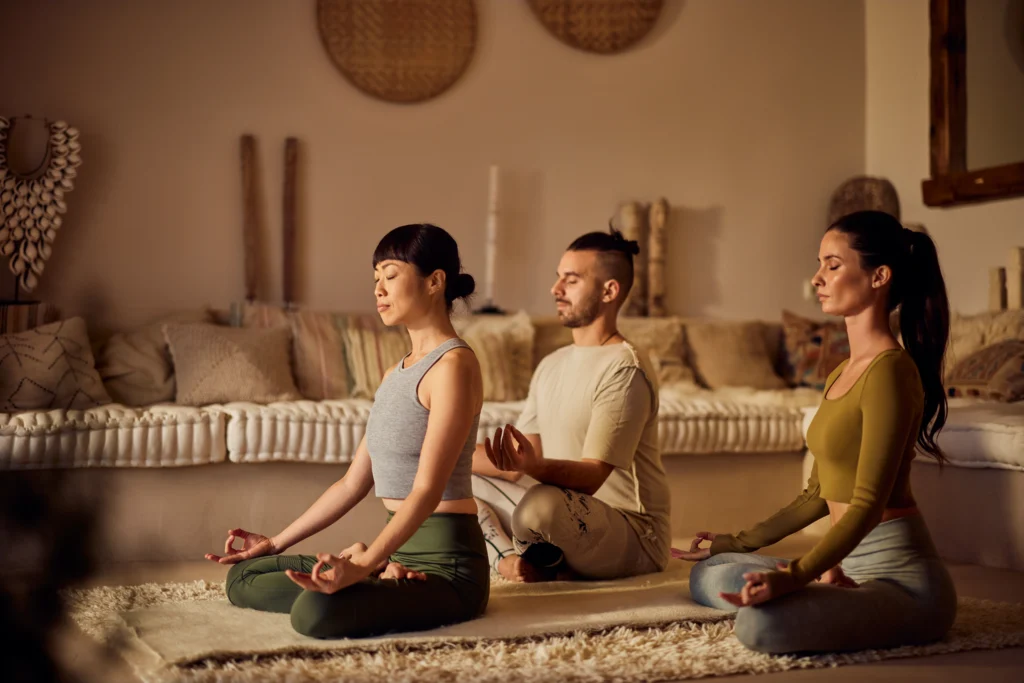
What Are Meditation Techniques for Beginners?
A Simple Understanding of Meditation
At its core, meditation is a mental training practice. Just like you exercise your body to stay physically strong, meditation trains your attention and awareness.
When you practice meditation techniques for beginners, you are learning how to:
- Notice your thoughts without reacting instantly
- Bring your focus back when your mind drifts
- Create small spaces of calm in your day
- Strengthen your emotional awareness
It’s not about becoming someone new. It’s about becoming more aware of what is already happening inside you.
Why Beginners Struggle at First
If you try meditation and feel like it “doesn’t work,” that’s actually very common. Most beginners face the same challenges:
- You think too much during practice
- You feel restless or impatient
- You expect immediate results
- You compare your experience with unrealistic ideas of “perfect meditation”
The truth is, meditation is a skill. And like any skill, it improves with repetition—not pressure.
Simple Meditation Techniques for Beginners You Can Start Today
You don’t need a quiet mountain or a perfect mindset. You just need a few minutes and willingness to try.
1. Breathing Meditation (The Foundation of Calm)
How you practice it
This is one of the most powerful meditation techniques for beginners, and also the easiest.
Here’s how you do it:
- Sit comfortably or lie down
- Close your eyes or soften your gaze
- Focus on your natural breath
- Notice the air going in… and going out
- When your mind wanders, gently return to breathing
That’s it. No forcing. No controlling.
Why it works
Your breath is always with you. When you focus on it, you pull your attention away from stress and into the present moment.
What you may notice
At first, your mind will wander constantly. That’s normal. What matters is not how often you drift, but how gently you return.
Benefits
- Reduces stress response
- Helps slow racing thoughts
- Improves focus over time
- Creates emotional grounding
2. Body Scan Meditation (Releasing Physical Tension)
Step-by-step practice
This technique helps you reconnect with your body:
- Start at the top of your head or your feet
- Slowly move attention through each body part
- Notice tension, tightness, or comfort
- Relax each area as you go
Why it matters
You carry stress in your body without realizing it—tight shoulders, clenched jaw, heavy chest. This practice helps you notice and release it.
Best time to use it
- Before sleeping
- After a stressful day
- During moments of anxiety
Benefits
- Improves sleep quality
- Reduces physical stress
- Increases body awareness
- Helps you unwind deeply
3. Guided Visualization (Creating Calm in Your Mind)
How you do it
If focusing on breath feels difficult, this is a great alternative:
- Close your eyes
- Imagine a peaceful place (beach, forest, mountain, garden)
- Picture every detail clearly
- Add sounds, smells, and sensations
- Stay there for a few minutes
Why it works
Your brain responds to imagination almost like reality. When you picture calm, your body starts to relax as if you are actually there.
Benefits
- Reduces mental overload
- Boosts relaxation quickly
- Helps with emotional escape from stress
- Easy for beginners who struggle with silence
4. Mindfulness in Daily Life (Meditation Without Sitting Still)
Turning everyday actions into practice
You don’t always need to sit down to meditate. You can bring awareness into daily activities:
- Eating slowly and noticing taste and texture
- Walking while paying attention to each step
- Listening fully during conversations
- Washing hands and noticing sensations
Why it’s powerful
This technique helps you stay present outside formal meditation sessions. Over time, it changes how you experience your entire day.
Benefits
- Builds long-term awareness
- Reduces automatic stress reactions
- Improves focus in real life
- Makes mindfulness part of your routine
How to Build a Meditation Habit That Sticks
Start Small—Very Small
One of the biggest mistakes beginners make is starting too big.
Instead, try this:
- 2 minutes per day for the first week
- 5 minutes in the second week
- 10 minutes once you feel comfortable
Consistency is far more important than duration.
Pick a Simple Time
Choose a moment you can repeat daily:
- Morning after waking up
- Before going to bed
- During a quiet break in your day
Linking meditation to an existing habit makes it easier to stick with.
What You Should Avoid
Many beginners stop early because of unrealistic expectations. Watch out for:
- Expecting instant calm
- Trying to force a “blank mind”
- Judging your practice
- Comparing yourself to others
There is no “perfect” session.
Helpful Tips to Stay Consistent
- Use a timer so you don’t check the clock
- Sit in a comfortable place
- Try guided meditation apps if needed
- Keep your expectations simple
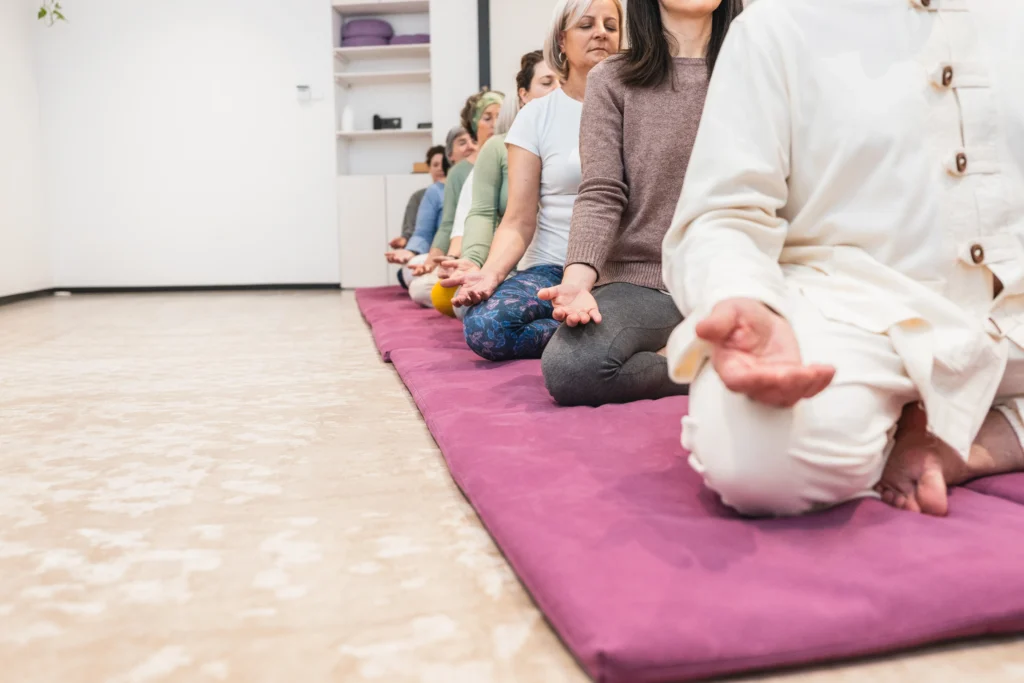
Real Benefits of Meditation Techniques for Beginners
When you practice regularly, changes begin to show in small but meaningful ways.
Mental Benefits
- Less overthinking
- Improved focus during tasks
- Better decision-making
- Reduced anxiety over time
Emotional Benefits
- Greater emotional stability
- Less reactivity in stressful situations
- Improved patience
- Stronger self-awareness
Physical Benefits
- Better sleep patterns
- Reduced muscle tension
- Lower stress-related fatigue
- Improved breathing control
Why You Should Start Today Instead of Waiting
You might feel like you need the “right moment” to begin meditation. A quieter schedule. A calmer mind. More free time.
But waiting for perfect conditions is exactly what keeps most people stuck.
The truth is simple: you don’t start meditation when life becomes calm—you start it so life becomes calmer.
Even a few minutes today can begin shifting how you respond to stress, thoughts, and emotions.
FAQ – Meditation Techniques for Beginners
What are the best meditation techniques for beginners?
The easiest starting points are breathing meditation, body scan, visualization, and mindfulness in daily activities.
How long should you meditate as a beginner?
Start with 2–5 minutes per day. Increase slowly as it becomes more natural.
Is it normal to think a lot during meditation?
Yes. Thinking is normal. Meditation is about noticing thoughts and gently returning focus—not eliminating them.
Do I need silence to meditate?
No. While silence helps, you can meditate in a normal environment using focus techniques.
When will I see results?
Some people notice small changes within days, but deeper benefits come with consistent practice over weeks.
Final Thoughts
Learning meditation techniques for beginners is not about becoming someone different. It’s about reconnecting with the version of you that already exists beneath the noise.
You don’t need long sessions. You don’t need experience. You only need a few minutes and the willingness to return to yourself again and again.
Every breath you notice, every moment you pause, every time you come back after distraction—you are training your mind to become steadier, calmer, and more present.
CTA: Start Your Practice Today
If you’ve been thinking about trying meditation, this is your sign to begin.
Take just 2 minutes right now. Sit down, breathe, and simply notice.
No pressure. No expectations. Just you and your breath.
And if you want, come back tomorrow—and do it again.