
Political commentator and television host Bill Maher has once again sparked national debate after criticizing Donald Trump’s recent visit to China and his highly publicized meeting with Chinese President Xi Jinping. During an episode of Real Time, Maher mocked the summit by calling it a “lovefest,” arguing that the trip appeared more focused on pageantry and public admiration than on serious diplomatic progress.
His comments quickly spread across social media, generating millions of views and reigniting discussions about Trump’s foreign policy style, America’s relationship with China, and the growing influence of political entertainers in modern public discourse. Supporters praised Maher for using humor to challenge powerful political figures, while critics accused him of turning an important diplomatic event into a partisan comedy routine.
The controversy surrounding Maher’s remarks reflects a much larger issue: the increasingly complicated relationship between the United States and China. As economic rivalry, technological competition, and geopolitical tensions continue shaping global politics, every interaction between American and Chinese leaders receives worldwide attention. Trump’s meeting with Xi Jinping was already under intense scrutiny before Maher’s comments pushed the story even further into the spotlight.
The debate also reveals how media personalities now influence political narratives in ways that once belonged almost entirely to journalists and elected officials. In today’s digital age, a viral television clip can shape public opinion within hours, turning a late-night monologue into an international political discussion.
Maher Questions the Real Purpose of the China Visit
Bill Maher’s criticism centered on what he viewed as the overly ceremonial nature of Donald Trump’s visit to China. During his television segment, Maher joked that Trump seemed captivated by the luxurious welcome and elaborate treatment he received from Chinese officials.
The visit included high-profile ceremonies, formal receptions, military displays, and carefully staged public appearances designed to highlight cooperation between the two nations. Maher argued that these visual elements overshadowed the actual political substance of the summit. According to him, the event looked less like a tense diplomatic negotiation and more like a celebration between world leaders eager to praise one another publicly.
Maher specifically mocked Trump’s apparent admiration for Xi Jinping, suggesting that the Chinese government understands how to use spectacle and personal flattery as diplomatic tools. His remarks implied that Beijing strategically created an environment designed to appeal to Trump’s appreciation for grand presentations and strong public imagery.
For Maher, the concern was not simply about appearances. He questioned whether the summit produced meaningful outcomes on critical issues affecting both nations. Trade disputes, technological competition, military tensions, cybersecurity concerns, and artificial intelligence regulations remain major challenges in U.S.-China relations. Critics of the meeting argued that despite the positive public atmosphere, there was little evidence of major agreements or policy breakthroughs.
Supporters of Trump, however, strongly disagreed with Maher’s interpretation. They argued that diplomacy often depends on maintaining respectful relationships between leaders, even when disagreements exist behind closed doors. According to Trump allies, creating a friendly atmosphere can help reduce tensions and open the door for future negotiations.
The disagreement highlights a broader divide in how Americans view international diplomacy. Some believe public friendliness between rival powers demonstrates weakness or excessive admiration, while others see it as a practical necessity for maintaining global stability.

Why Trump and Xi Jinping’s Relationship Matters Globally
The relationship between Donald Trump and Xi Jinping carries enormous global significance because the United States and China remain the two most influential economic and military powers in the world. Every meeting between their leaders affects international markets, diplomatic alliances, and geopolitical strategies.
Over the past decade, tensions between Washington and Beijing have intensified across several areas. Trade disputes have led to tariffs and economic restrictions impacting businesses worldwide. Competition in artificial intelligence and advanced technology has created concerns about national security and global technological dominance. Military activity in the South China Sea and around Taiwan has also increased fears about possible future conflicts.
Against this backdrop, even symbolic meetings between American and Chinese leaders become highly important. Supporters of diplomacy argue that maintaining communication between powerful nations is essential to avoiding dangerous misunderstandings. Critics, however, worry that friendly public displays can sometimes hide unresolved conflicts or create misleading perceptions of unity.
Trump’s diplomatic style has always attracted attention because of his emphasis on personal relationships with foreign leaders. Throughout his political career, he often described diplomacy in terms of individual chemistry and direct negotiation rather than traditional bureaucratic processes. This approach sometimes produced unexpected results, including controversial but historic meetings with leaders from rival nations.
Xi Jinping, meanwhile, represents a very different political system and leadership style. As China’s president, Xi has overseen the country’s expanding global influence and increasing competition with the United States. His government carefully manages international optics, understanding that images and symbolism play a powerful role in diplomacy.
For that reason, the visual presentation of the Trump-Xi summit became almost as important as the discussions themselves. Images of smiling leaders, ceremonial welcomes, and public compliments circulated worldwide, creating strong reactions from supporters and critics alike.
Social Media Turns the Story Into a Viral Political Battle
One reason the controversy gained so much attention is because Bill Maher’s comments spread rapidly across social media platforms. Clips from his television show were shared millions of times within hours, transforming a late-night comedy segment into a major political conversation.
On platforms like X, Threads, TikTok, YouTube, and Facebook, users debated whether Maher accurately described the summit or unfairly mocked an important diplomatic event. Political supporters on both sides quickly used the controversy to reinforce their own views about Trump, China, and the American media.
Supporters of Maher argued that comedians often succeed at highlighting uncomfortable truths through humor. They believed his jokes reflected legitimate concerns about Trump’s relationship with authoritarian leaders and the possibility that symbolic praise might weaken America’s negotiating position.
Others viewed Maher’s criticism as hypocritical or politically motivated. Trump supporters pointed out that world leaders frequently participate in ceremonial events during diplomatic visits and argued that Maher exaggerated normal diplomatic behavior for entertainment purposes. Some also accused mainstream media figures of treating Trump differently than other presidents during foreign visits.
The incident demonstrates how modern political debates increasingly unfold online rather than through traditional journalism alone. A single television clip can instantly generate headlines, reaction videos, memes, and thousands of opinion posts. In many cases, social media discussions shape public perception more quickly than official statements from governments or political analysts.
This digital environment also blurs the line between politics and entertainment. Figures like Bill Maher are comedians, but they are also influential commentators whose opinions reach millions of viewers. Their words often carry political weight comparable to journalists or public officials.
As a result, late-night television has evolved into a major force in political communication. Comedy programs no longer simply entertain audiences—they actively influence national conversations, voter opinions, and media narratives.
The Larger Debate About Diplomacy and Political Image
Beyond the viral jokes and online reactions, the controversy surrounding Maher’s comments raises broader questions about diplomacy in the modern world. Specifically, it highlights the tension between public image and political substance in international relations.
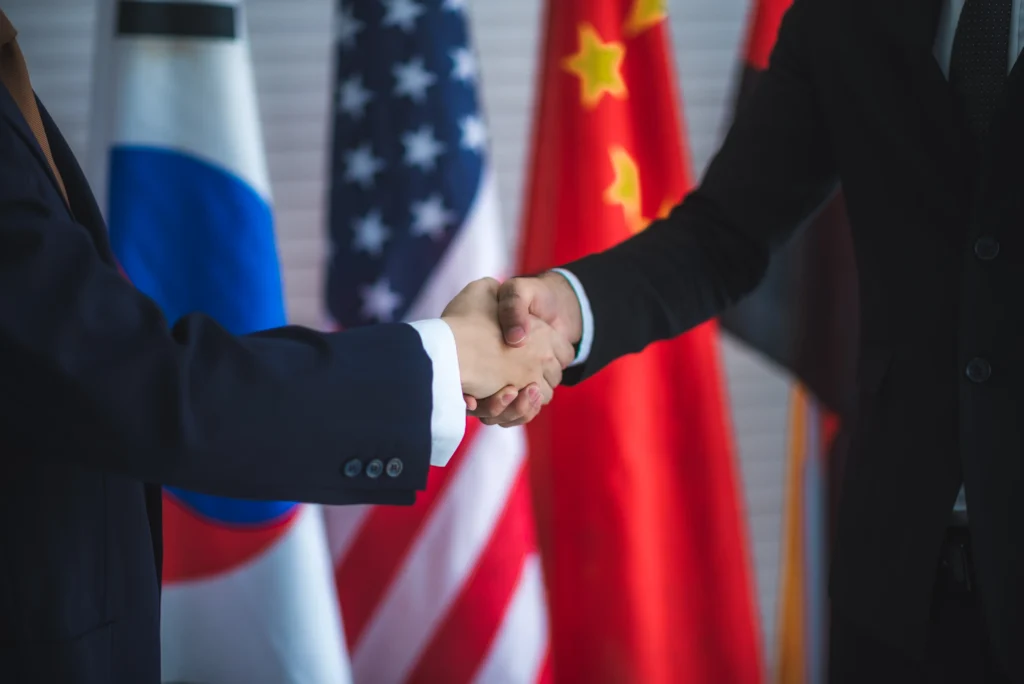
Diplomacy has always involved symbolism. Ceremonial welcomes, state dinners, public speeches, and carefully managed appearances are traditional parts of interactions between world leaders. These displays are designed to communicate respect, stability, and openness to negotiation.
However, in the age of instant media and viral social content, those images can quickly become political weapons. Supporters and critics interpret every gesture, handshake, and public statement through deeply partisan lenses. What one group sees as strategic diplomacy, another may interpret as weakness or excessive admiration.
Trump’s presidency especially intensified these debates because of his unconventional communication style. Unlike many traditional politicians, Trump often relied on personal branding, dramatic public statements, and highly visible relationships with foreign leaders. His supporters saw this as evidence of strength and independence from political norms. Critics argued it prioritized spectacle over careful diplomacy.
Maher’s “lovefest” remark tapped directly into that ongoing argument. His criticism was not only about China—it was about the role personality and image play in political leadership. The phrase resonated because it captured broader concerns about how leaders project power, negotiate relationships, and manage public perception.
At the same time, the story illustrates the challenges facing the United States and China as they navigate an increasingly competitive relationship. Despite economic rivalry and geopolitical tensions, both nations remain deeply connected through trade, technology, and global influence. Cooperation and competition exist simultaneously, making diplomacy extremely complex.
Public meetings between leaders therefore serve multiple purposes. They are opportunities for negotiation, demonstrations of political power, and performances designed for global audiences. Every image released from these summits carries strategic meaning.
In the end, whether people agreed with Bill Maher or defended Donald Trump, the controversy succeeded in drawing attention to one of the most important diplomatic relationships in the world. The debate surrounding the summit reflects larger questions about media influence, political image, and the future of international diplomacy in a digital age.
As U.S.-China tensions continue evolving, public reactions to these high-profile encounters will likely remain intense. And with media personalities, comedians, and social platforms shaping political conversations more than ever before, moments like Maher’s viral criticism are likely to become an increasingly common part of global political culture.
FAQs
Why did Bill Maher criticize Donald Trump’s China visit?
Bill Maher criticized Donald Trump’s visit to China because he believed the summit with Xi Jinping appeared overly friendly and focused more on spectacle than serious diplomacy. He described the meeting as a “lovefest” during an episode of Real Time.
What did Bill Maher say about Xi Jinping and Trump?
Maher joked that China knew exactly how to impress Trump through lavish ceremonies, praise, and grand public events. He suggested the former president seemed fascinated by the elaborate welcome he received in Beijing.
Why was the Trump-Xi meeting important?
The meeting attracted worldwide attention because the United States and China are the two largest global powers. Their relationship affects international trade, technology, security, and global politics.
Did the China summit produce any major agreements?
While the summit generated major media coverage, critics argued that few concrete breakthroughs or major policy agreements were publicly announced during the visit.
How did social media react to Maher’s comments?
The reaction online was highly divided. Supporters praised Maher’s political humor and criticism, while Trump supporters accused him of exaggerating the situation for entertainment and partisan purposes.
Why do comedians like Bill Maher influence political debates?
Modern political comedy programs reach millions of viewers and often shape public discussions online. Viral clips from shows like Real Time frequently become part of larger national political conversations.
What issues currently define U.S.-China relations?
Major issues include trade competition, artificial intelligence, cybersecurity, military tensions, economic influence, and disputes involving Taiwan and global technology leadership.
Why did Maher’s comments go viral?
The combination of Trump, China, Xi Jinping, and Maher’s sharp comedic style created a highly controversial topic that spread quickly across platforms like X, Threads, TikTok, and Facebook.
Table of Contents
Cyberattack Hits U.S. Gas Station Fuel Systems Today – trendsfocus