
The United States is making headlines as its elite 82nd Airborne Division prepares for deployment to the Middle East amid rising tensions with Iran. This division, renowned for its rapid-response capabilities and elite training, has a long and storied history in U.S. military operations. From World War II parachute assaults to modern rapid-deployment missions, the 82nd Airborne has been at the forefront of America’s military strategy for over a century.
The recent deployment signals a potential escalation in the region and has captured the attention of global media, analysts, and governments alike. While exact operational details have not been officially disclosed, the move has sparked discussions about U.S. foreign policy, regional security, and the strategic role of elite military forces. In this article, we explore the 82nd Airborne Division, its capabilities, the reasons behind this deployment, and what it could mean for the Middle East and the world.
82nd Airborne Division: America’s Rapid Response Force
The 82nd Airborne Division is considered one of the most highly trained and versatile units in the United States Army. Established in 1917, the division has a storied legacy that includes some of the most daring and pivotal operations in military history. Its soldiers, known as paratroopers, are trained to deploy rapidly by air and perform missions that range from combat to humanitarian assistance.
The division is unique because of its combination of speed, mobility, and combat readiness. Unlike conventional forces that require weeks or months to mobilize, the 82nd Airborne can be fully deployed within 18 hours, making it the first line of response in times of crisis. Its reputation is built not only on historical accomplishments, such as the Normandy landings during World War II and operations in Iraq and Afghanistan, but also on its modern ability to project power anywhere in the world at a moment’s notice.
Paratroopers in the 82nd Airborne are elite in every sense. They undergo rigorous physical, tactical, and mental training to ensure they can operate in high-pressure environments. Their missions often involve securing strategic locations, conducting rapid strikes, and providing critical support to allied forces in conflict zones. For this reason, the division is often called upon when the U.S. faces urgent global challenges.
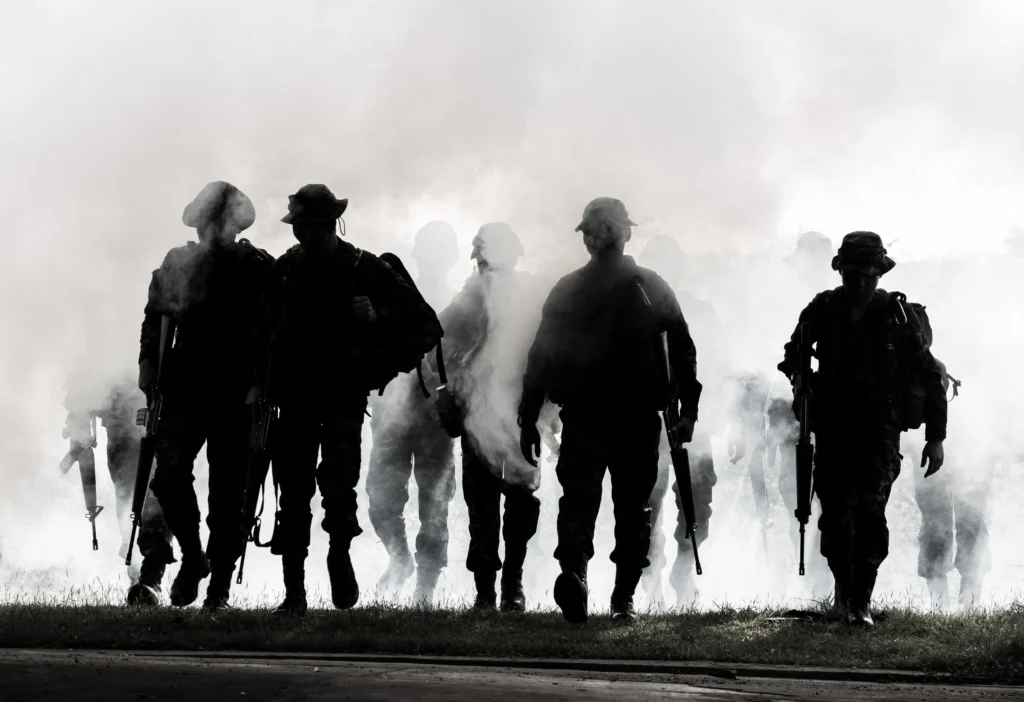
Why the Deployment Matters
The decision to deploy the 82nd Airborne Division to the Middle East carries significant geopolitical and military implications. This is not a routine troop movement — it reflects a calculated decision by U.S. military and political leadership to respond swiftly to rising tensions in the region.
Several factors make this deployment particularly important:
- Rapid Mobilization: The division’s ability to deploy within hours ensures that the U.S. can respond to any sudden escalation without delay.
- Geopolitical Messaging: The presence of elite troops sends a clear signal to Iran and neighboring countries that the U.S. is prepared for immediate action if necessary.
- Regional Stability: While the division may not immediately engage in combat, its deployment acts as a deterrent against aggressive moves and provides reassurance to U.S. allies in the region.
- Operational Flexibility: The 82nd Airborne can operate across a wide range of missions, from securing airfields and strategic infrastructure to supporting humanitarian efforts, making it invaluable in uncertain environments.
Given these factors, the deployment demonstrates that U.S. leadership is treating the current situation as highly sensitive and potentially volatile. Even if the troops do not see combat, their mere presence has a psychological and strategic impact on the region.
What the 82nd Airborne Can Do
The capabilities of the 82nd Airborne Division go far beyond conventional ground forces. Its paratroopers are trained to operate in highly dynamic and dangerous conditions, making them a cornerstone of U.S. rapid-response operations. Key capabilities include:
- Parachute Assaults: Troops can be dropped behind enemy lines to secure key positions or disrupt hostile forces.
- Quick Strike Operations: The division can conduct high-risk, precision-targeted missions to neutralize threats before they escalate.
- Airfield and Infrastructure Control: Securing airports, ports, and critical infrastructure allows follow-on forces to arrive safely and sustain operations.
- Support for Larger Operations: The 82nd often acts as the vanguard for larger missions, paving the way for conventional forces or assisting in joint operations with allied militaries.
- Humanitarian and Disaster Relief: In addition to combat missions, the division has been deployed to provide rapid assistance during natural disasters or humanitarian crises.
These capabilities make the 82nd Airborne one of the most flexible and reliable tools in the U.S. military arsenal. Its deployment is often an early indicator of serious developments, which is why its movements are closely monitored by analysts and governments worldwide.
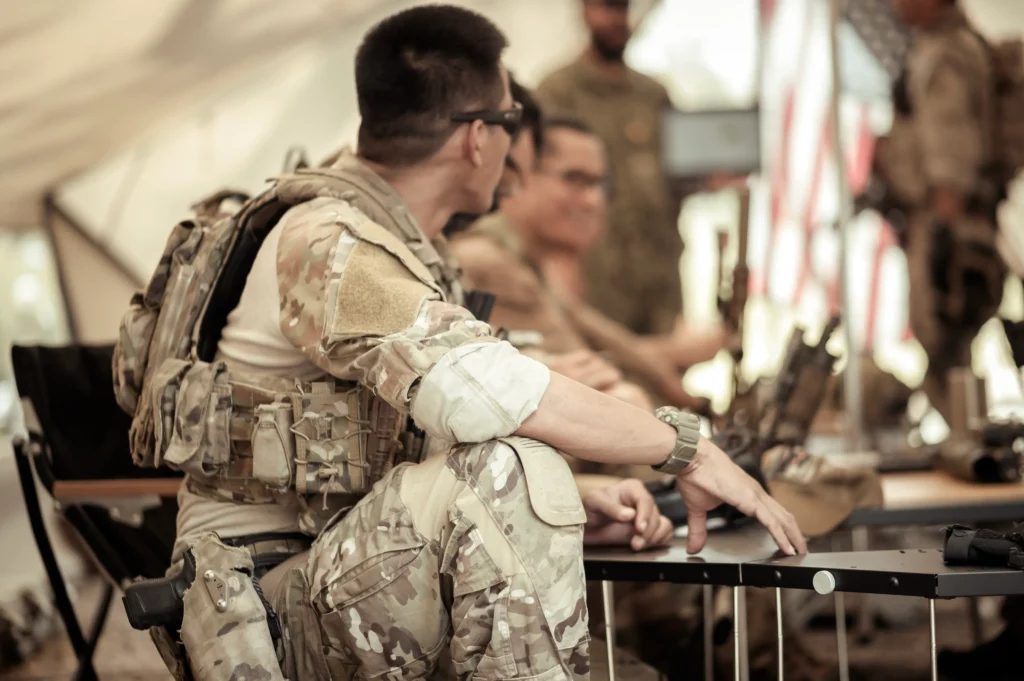
Potential Impact on the Middle East
While details about the mission have not been publicly confirmed, the deployment is expected to have multiple effects on regional dynamics. Analysts suggest several possible objectives for the 82nd Airborne Division in the Middle East:
- Protecting U.S. Bases and Personnel: Ensuring the safety of American forces and diplomats is often a primary reason for deploying rapid-response units.
- Deterring Escalation: The presence of elite troops can discourage aggressive actions by opposing forces, serving as a powerful preventative measure.
- Preparing for Contingencies: While combat may not be immediate, having a well-trained force ready on the ground allows the U.S. to respond swiftly if hostilities increase.
- Regional Stability: Even the knowledge that such a capable unit is in the region can reassure allies and prevent local conflicts from spiraling out of control.
The strategic importance of the Middle East, with its energy resources, shipping lanes, and complex political alliances, makes any U.S. military movement significant. The deployment of the 82nd Airborne therefore carries both tactical and symbolic weight.
What This Means for Global Security
The deployment of the 82nd Airborne Division is being watched not just in the Middle East but around the world. Experts point out several potential global consequences:
- Increased Regional Tensions: While intended as a stabilizing measure, military deployments can sometimes escalate conflicts by signaling readiness for confrontation.
- Market Implications: Geopolitical uncertainty often affects global energy prices and financial markets.
- Political Messaging: Deploying elite troops sends a message that the U.S. takes the situation seriously, which can influence negotiations and diplomatic efforts.
- Public Awareness: The world’s media closely follows such deployments, raising international scrutiny and expectations for responsible military action.
In essence, the deployment is both a military maneuver and a geopolitical signal, demonstrating the United States’ readiness and resolve while shaping the perceptions and actions of other nations.
Conclusion
The deployment of the 82nd Airborne Division to the Middle East underscores the seriousness of the current situation. As one of the U.S. military’s most elite and rapid-response units, its movement signals potential escalation and highlights the strategic importance of preparedness. Whether the troops are called into active combat or act as a deterrent, their presence alone carries immense tactical and psychological weight.
As the situation develops, the eyes of the world remain fixed on the Middle East, and the 82nd Airborne Division is at the center of this unfolding story. For both military strategists and the global public, this deployment serves as a reminder of the delicate balance of power in a region where every move can have far-reaching consequences.
Table of Contents
82nd Airborne Division – Wikipedia
Trump Admits Iran Can Still Control Strait of Hormuz – trendsfocus